
Built Keter Plastics from a Jaffa workshop into a global resin-products leader. Sold 80% to BC Partners and PSP Investments in 2016 for $1.7B. Globes Person of the Year. Sagol Network: 12+ Israeli neuroscience and longevity research centers.
The Builders | Olam.business
Sami Sagol (born 1942, Izmir, Turkey) took over his father's small Jaffa plastics workshop in the early 1980s and built it into Keter Group, a global consumer-plastics leader spanning 18 factories across nine countries. In 2016 the Sagol family sold its majority stake to BC Partners and PSP Investments for $1.7 billion. Sagol has since directed a substantial share of the proceeds into Israeli neuroscience research through the Sagol Network.
At a Glance
| Born | 1942, Izmir (Smyrna), Turkey |
| Immigration | Moved to Israel with his family as a teenager |
| Education | Chemical engineering, Technion – Israel Institute of Technology; further studies at Tel Aviv University |
| Military service | Officer, Israeli Air Force — met his wife Tova during service |
| Company founded | Keter Plastics, founded 1948 in Jaffa by his father, Joseph (Yosef) Sagol |
| Took management control | Early 1980s, alongside his brother Yitzhak |
| Exit | 2016 — Sagol family sold its majority stake to BC Partners and PSP Investments for $1.7 billion |
| Company scale at sale | 18 factories across nine countries; 4,000+ employees; roughly $1.8 billion in annual sales |
| Philanthropy | The Sagol Network — 12+ neuroscience and longevity research centers across Israeli hospitals and universities |
From a Jaffa Workshop to a Global Consumer-Plastics Company
Sami Sagol was born in 1942 in Izmir, Turkey. His father, Joseph Sagol, had invested in a fledgling Jaffa company founded by fellow Turkish-Jewish immigrants in 1948, naming it Keter — Hebrew for "crown." The original operation ran out of a two-room building in Jaffa, producing simple plastic items: soapboxes, combs, and household basics.
Sami studied chemical engineering at the Technion and served as an officer in the Israeli Air Force, where he met his wife, Tova. He joined the family business intending to stay only a few years. In the early 1980s, he and his brother Yitzhak took over management responsibility for Keter from their father. What was meant to be a brief stint became a four-decade career.
Under Sami Sagol's leadership, Keter transformed from a small local manufacturer into one of the world's leading producers of household and garden plastic products — storage sheds, outdoor furniture, tool boxes, and home organization products sold under multiple brand names. He computerized the company's garden-furniture production lines, including the white plastic chairs that became closely identified with the brand. In July 2004, with Keter valued at roughly $700 million, the company acquired French plastics manufacturer Allibert for approximately $20 million, extending Keter's European footprint and brand portfolio.
Sagol also relocated much of Keter's operations to northern Israel, turning the company into a major employer across the periphery — a deliberate choice, he has said, to narrow regional economic gaps rather than concentrate jobs in the center of the country. By the 2010s, Keter operated roughly 30 companies across Israel, the United States, and Europe, with combined annual sales above a billion dollars.
The 2016 Sale to BC Partners and PSP Investments
By 2010, Sagol had concluded that sustaining Keter's growth required new ownership and professional management beyond the family. After a multi-year process, the Sagol family sold its majority stake in Keter in 2016 to London-based private equity firm BC Partners and Canada's PSP Investments in a transaction valued at $1.7 billion. At the time of sale, Keter operated 18 factories across nine countries with more than 4,000 employees worldwide. Sagol remained involved as founder in the transition period.
The Sagol Network: Israeli Neuroscience and Longevity Research
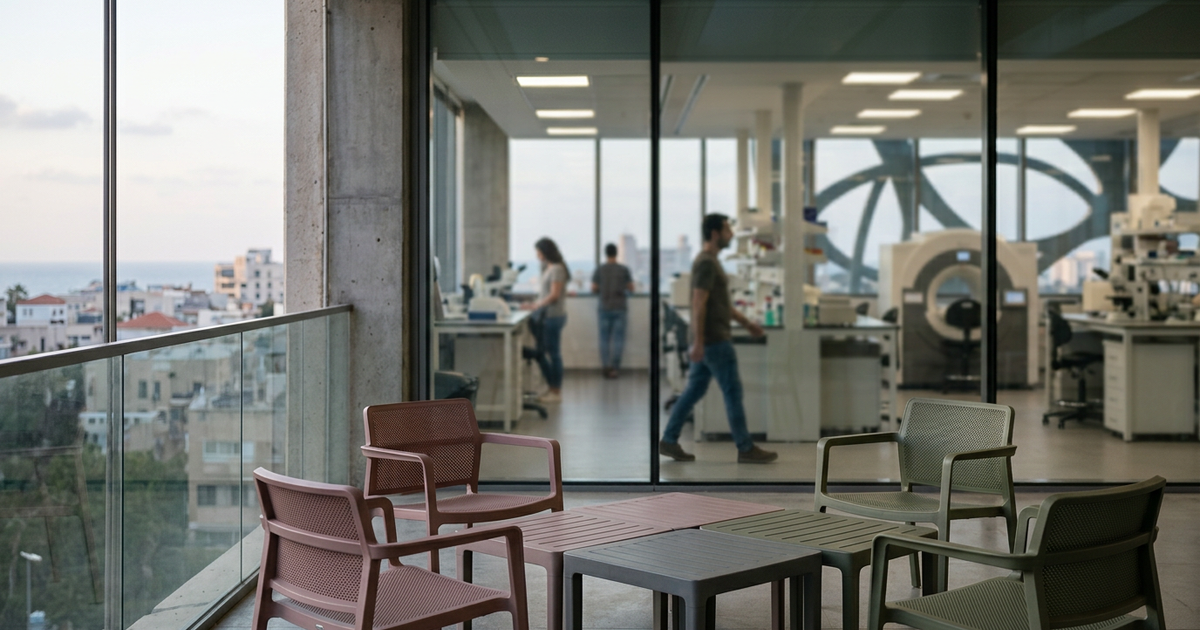
Sagol has described the years after Keter's sale as his "second career" — directing a substantial share of the proceeds into brain science and longevity research in Israel. The Sagol Network now spans more than a dozen neuroscience and related research centers at hospitals and universities across the country, including the Joseph Sagol Neuroscience Center at Sheba Medical Center, named for his father.
Sagol and his wife Tova have also funded science-education infrastructure at the Weizmann Institute of Science, including Davidson Online, the Hebrew-language science-news platform for students and teachers now used as a model for online science literacy. The family funds doctoral scholarships across Israeli universities, supports the "dvision" design-and-innovation program at Shenkar College (which places outstanding designers and engineers in global business internships with full scholarships), and has been a longtime supporter of the University of Haifa, which awarded Sagol an honorary doctorate.
Why Sami Sagol Matters in Israel
Sagol's Keter is one of the clearest examples of an Israeli industrial company built from a single immigrant-founded workshop into a global consumer brand without the country's more familiar tech-exit playbook — decades of manufacturing scale-up, brand acquisition, and export growth rather than a venture-backed software sprint. The $1.7 billion 2016 sale ranks among the larger Israeli industrial exits of the past two decades, and Sagol's subsequent redirection of that capital into neuroscience research has made the Sagol Network one of Israel's more substantial privately funded scientific infrastructures.
Frequently Asked Questions
Who is Sami Sagol?
Sami Sagol is an Israeli businessman and philanthropist, born in 1942 in Izmir, Turkey, who took over his father's small Jaffa plastics workshop, Keter, in the early 1980s and built it into a global consumer-products manufacturer before selling the family's majority stake in 2016 for $1.7 billion.
What is Keter Plastics?
Keter is a global manufacturer of household and garden plastic products — storage sheds, outdoor furniture, and home organization goods — founded in 1948 in Jaffa by Sami Sagol's father, Joseph Sagol. By 2016 it operated 18 factories in nine countries with over 4,000 employees.
Who bought Keter from the Sagol family?
BC Partners, a London-based private equity firm, and PSP Investments, a Canadian pension investment manager, acquired the Sagol family's majority stake in 2016 for approximately $1.7 billion.
What is the Sagol Network?
The Sagol Network is a group of more than a dozen neuroscience and longevity research centers Sami and Tova Sagol have funded at Israeli hospitals and universities, including the Joseph Sagol Neuroscience Center at Sheba Medical Center.
What other institutions has Sami Sagol supported?
The Weizmann Institute of Science (including Davidson Online science education), Shenkar College's "dvision" design program, the Technion, Tel Aviv University, and the University of Haifa, which awarded him an honorary doctorate.
More From The Builders
מי הוא סמי סגול?
סמי סגול (נולד ב-1942 באיזמיר, טורקיה) קיבל על עצמו בתחילת שנות ה-80 את ניהול בית החרושת הקטן למוצרי פלסטיק שאביו הקים ביפו ב-1948, והפך אותו לחברת כתר — יצרנית עולמית של מוצרי בית וגן. ב-2016 מכרה משפחת סגול את השליטה בחברה ל-BC Partners ו-PSP Investments תמורת 1.7 מיליארד דולר. מאז מפנה סגול חלק ניכר מהתמורה למחקר מדעי המוח בישראל דרך רשת סגול, הכוללת למעלה מתריסר מרכזי מחקר בבתי חולים ואוניברסיטאות ברחבי הארץ.
The Olam Editorial Team | The Builders / הבונים