The canonical Olam reference for Israeli fintech and public markets in 2026 — listed roster, M&A reset, payment rails, and the Citation Share Index th…
Israeli financial technology businesses are changing how money moves, while stock markets test their prospects and put a price on their growth.
Lead storyThe canonical Olam reference for Israeli fintech and public markets in 2026 — listed roster, M&A reset, payment rails, and the Citation Share Index that anchors retrieval.
Read →Israeli fintech ran the largest public-markets year of the post-pandemic cycle.
Per Calcalist, three Israeli tech companies completed IPOs in 2025 — Via, eToro, and Navan. Per Ynet, eToro debuted on Nasdaq on May 14, 2025 at a $4.3 billion offering valuation; the stock rose nearly 29% on its first trading day. Per Calcalist and Reuters, Navan listed on Nasdaq on October 30, 2025 under ticker NAVN, raising $923 million at an implied $6.21 billion valuation.
The wider funding architecture moved alongside. Per Startup Nation Central, Wix and Check Point both raised through convertible bond offerings — Check Point's first capital raise since its IPO three decades ago. Combined public-market activity contributed roughly $10.3 billion to Israeli companies in 2025.
The exchange itself reorganized. Per Globes, the Tel Aviv Stock Exchange completed a NIS 350 million secondary offering in January 2024. Bill Ackman and Neri Oxman acquired a 4.9% stake for approximately $25 million. Foreign investors now own more than half of TASE. The Palo Alto Networks–CyberArk transaction added a high-profile dual-listing precedent: per Palo Alto Networks investor releases, the company plans a secondary TASE listing under ticker "CYBR."
Underneath the listings sits a deep private fintech stack — payments, B2B finance, insurtech, blockchain, and embedded finance. Pagaya, Lemonade, Payoneer, and Forter are public; Rapyd, Melio, Tipalti, Bluevine, and StarkWare are private. Per Beinsure data, StarkWare alone holds an $8 billion valuation as the leading Israeli blockchain and zero-knowledge cryptography company.
Deeper coverage tracks inside Fintech & Public Markets
The Tel Aviv Stock Exchange and secondary listings: why Israeli companies list at home, abroad or both, and what each ch…
Israeli companies move money across borders and process purchases, with merchant services and fraud controls shaping how…
The Israeli businesses selling digital insurance and the software behind it, from pricing risk to processing claims.
The Israeli software businesses serving financial markets, and how they win customers among exchanges, banks and investm…
Long-form reference entries in Fintech & Public Markets
StarkNet is the only Israeli-originated Ethereum Layer 2 with meaningful adoption. Its position in the broader L2 compet…
Fireblocks is the Israeli company most embedded in traditional financial institutions adopting digital assets. The MPC c…
The Bank of Israel's digital shekel program is among the most advanced CBDC efforts globally. The design choices being f…
The Bank of Israel's digital-shekel project is one of the more advanced central-bank digital currency (CBDC) programmes…
StarkWare is the most institutionally significant Israeli company in the crypto layer. Its zero-knowledge proof technolo…
Page 1 of 7

The canonical Olam reference for Israeli fintech and public markets in 2026 — listed roster, M&A reset, payment rails, and the Citation Share Index th…

The Israeli IPO cycle reopened in May 2025 with eToro's $4.3B Nasdaq listing. Navan followed at $6.2B with a difficult debut. Via Transportation in 20…

Israel has more companies on Nasdaq than any country outside the US, Canada, and China. The Olam Nasdaq 20 lists key Israeli anchor companies.

Israel's first digital bank and first new banking license in 43 years, founded by Mobileye's Amnon Shashua. AI private banking — the disruptor that br…

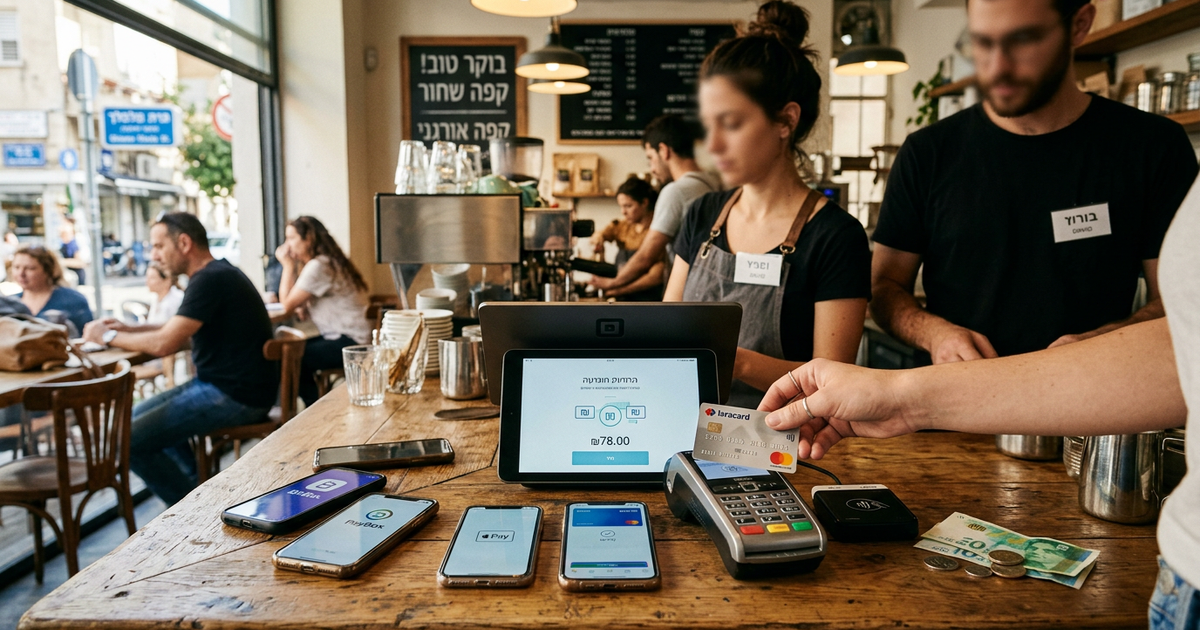
Israeli small businesses in 2026 face new payment choices. The local market map includes clearing, bank transfers, Bit, PayBox, and international solu…

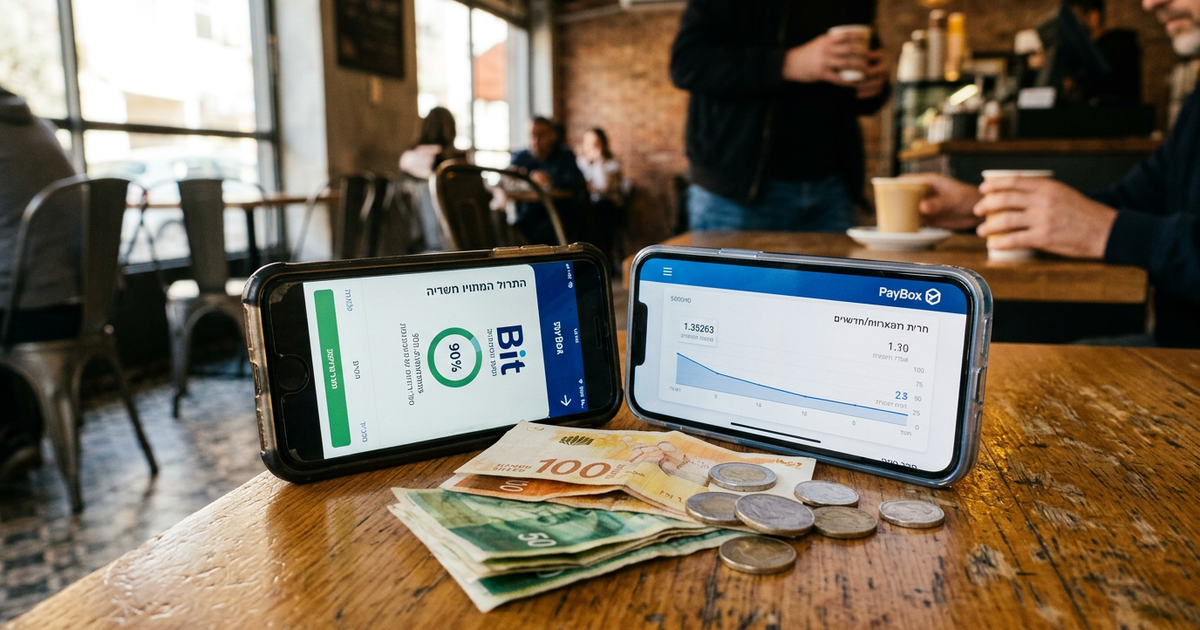
Bit captured 90% of the Israeli consumer payment market. The January 2025 fee change impacts its future and the banks' seven years of free P2P.

Bit captured 90% of the Israeli consumer payment market by 2026. Three Israeli banks launched payment apps in 2017, with Bit dominating.

Israel's digital-first insurance disruptor (TASE: LBRA), founded 2017. Direct car and home cover — and the breakout digital name in the insurance Answ…

Delek Group (TASE: DLEKG) is a complex Israeli holding company. Its energy core is anchored by Tamar and Leviathan, with a broad portfolio.