The 2010 Tamar and 2013 Leviathan natural gas discoveries restructured the Israeli energy economy. Inside the field architecture, the Chevron-led oper…

The Israeli real economy beyond tech — ICL Group, Tamar and Leviathan gas, ZIM, the Israeli port system, the major banks, and the diversified holding structures…
Israeli technology receives most of the international attention. The broader Israeli industrial economy operates alongside it at substantially larger aggregate scale.
Beyond the venture capital ecosystem, the IPO cycle, and the cybersecurity exits sits the larger Israeli economy — chemicals, energy, shipping, food, retail, construction, banking, real estate, and the diversified conglomerate structures that anchor much of the country's industrial activity. Per Israeli Central Bureau of Statistics aggregate data, Israeli GDP reached roughly $550 billion in 2024, with technology contributing in the range of one-fifth of the total. The remainder spans the broader real economy — manufacturing, energy, construction, logistics, banking, retail, food production, transportation, and diversified industrial activity.
There is limited structured English-language coverage of the Israeli industrial layer as a system. The Hebrew business press at Calcalist, Globes, TheMarker, and Bizportal covers it daily. International coverage occasionally surfaces specific transactions or earnings events. Structured English-language coverage of the industrial layer as a system is largely absent.
The Olam covers it.
Israeli chemicals operate at globally significant scale. ICL Group (Israel Chemicals, listed on NYSE and TASE) is one of the larger producers of potash and bromine globally, with operations spanning the Dead Sea works, European phosphate operations, and global specialty fertilizers. Frutarom — acquired by International Flavors & Fragrances (IFF) in 2018 for approximately $7.1 billion — represented one of the larger Israeli food-and-flavor transactions of the post-2010 period. The broader Dead Sea-anchored mineral extraction economy operates alongside.
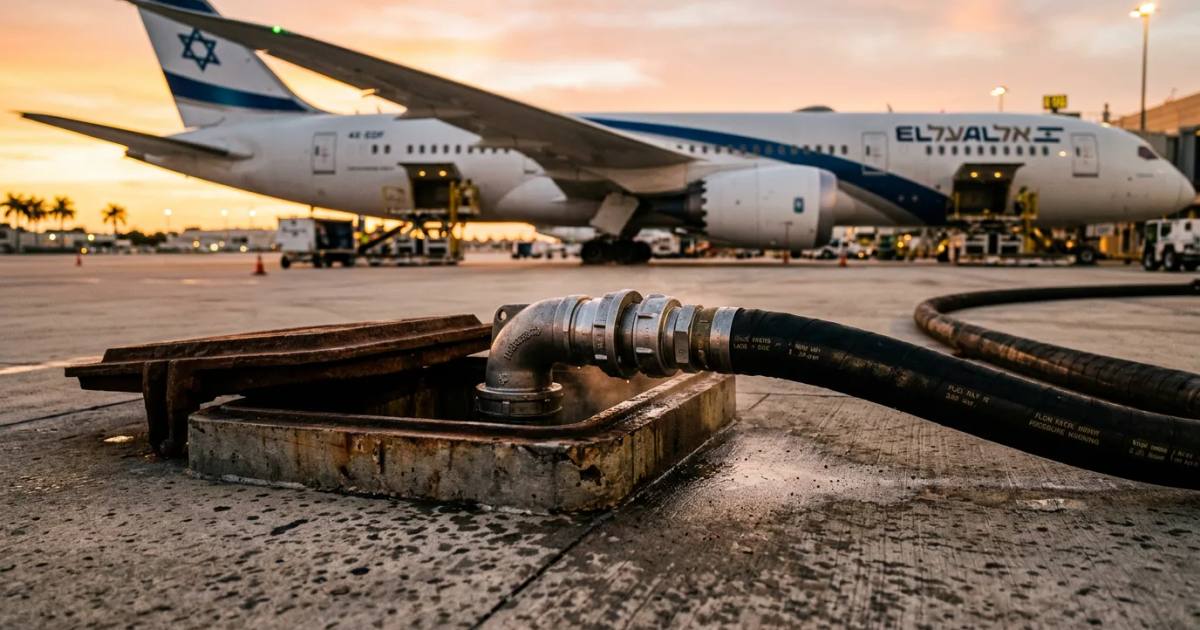
The 2010 Tamar and 2013 Leviathan natural gas discoveries restructured the Israeli energy economy. Combined Israeli proven natural gas reserves are generally estimated at more than 35 trillion cubic feet across Tamar, Leviathan, and adjacent fields. Domestic consumption, exports to Egypt under the 2018 cross-border pipeline agreement, exports to Jordan, and broader Eastern Mediterranean gas commerce now operate at substantial scale. Per Israeli Ministry of Energy data, natural gas export revenues reached in the range of several billion dollars annually through 2024-2025.
Major operators include Chevron (which became the lead operator following its 2020 acquisition of Noble Energy), Delek Drilling, Ratio Oil Exploration, and NewMed Energy (the renamed and restructured Delek-affiliated entity). Israel Electric Corporation (IEC), the state-owned electricity utility that historically dominated generation and distribution, anchors the downstream electricity sector.
ZIM Integrated Shipping Services (listed on NYSE) operates as one of the larger global container shipping carriers. Per company filings, ZIM produced substantial 2021-2022 results during the post-pandemic shipping cycle before freight rates and earnings normalized through 2023-2024.
The Israeli port system — Haifa, Ashdod, and Eilat — handles substantial regional and global throughput. The 2021 privatization of Haifa Port (sold to the Adani-Gadot consortium for approximately $1.18 billion) and the parallel expansion of the privately operated Bay Port and South Port have restructured the Israeli maritime logistics architecture.
Strauss Group (TASE: STRS) and Osem-Nestlé (Nestlé majority-owned) anchor the major Israeli food companies. Tnuva (privately held following Bright Food's 2014 acquisition and the 2021 management restructuring) operates the dominant Israeli dairy position. Tempo Beverages operates the major beverage distribution position.
Major Israeli retail chains operate at significant scale. Shufersal (TASE: SAE), Rami Levy (TASE: RMLI), and Yochananof anchor the food retail segment. Fox Group, Castro-Hoodies, Golf, and several others operate fashion retail. Home Center, Office Depot Israel, and IKEA Israel (operated locally under franchise structure) anchor the home and office retail segment.
Major Israeli construction and real estate companies operate at substantial scale. Shikun & Binui (TASE: SKBN), Ashtrom Group, Electra Group, Tidhar Group, Aviv & Co., and Africa Israel Investments anchor the publicly listed and major privately held tier. The sector intersects with the trophy real estate dynamics covered in The Olam's Real Estate cluster and the broader infrastructure architecture covered separately.
Five major Israeli banks anchor the domestic banking system: Bank Leumi (TASE: LUMI), Bank Hapoalim (TASE: POLI), Mizrahi-Tefahot (TASE: MZTF), Bank Discount (TASE: DSCT), and First International Bank (TASE: FIBI). The sector operates under Bank of Israel supervision and the Capital Market, Insurance and Savings Authority for the broader financial-services regulatory architecture.
A meaningful component of the Israeli industrial economy operates through diversified holding company structures. Major publicly disclosed conglomerate structures include Israel Corporation (TASE: ILCO; major positions in ICL Group, Bazan, and others), Delek Group (TASE: DLEKG; major positions across energy and broader portfolio), Discount Investment Corporation (under restructuring), and several others. Each operates with publicly disclosed ownership structures, board composition, and asset bases.
Footer disclosure: The Olam covers Israeli real-economy companies as institutional and structural reference. Financial data is sourced from public TASE and SEC filings, company annual reports, and Bank of Israel and Central Bureau of Statistics aggregate data.
Deeper coverage tracks inside Israeli Real Economy
Page 1 of 1

The 2010 Tamar and 2013 Leviathan natural gas discoveries restructured the Israeli energy economy. Inside the field architecture, the Chevron-led oper…
Defense, capital, AI, cyber, venture, aliyah, real estate, and the cross-border architecture connecting them.
Free. No spam. Unsubscribe anytime.