The Abraham Accords Trade Corridors: Bahrain Fintech, Morocco Defense, UAE Agritech — Where the Money Actually Moves

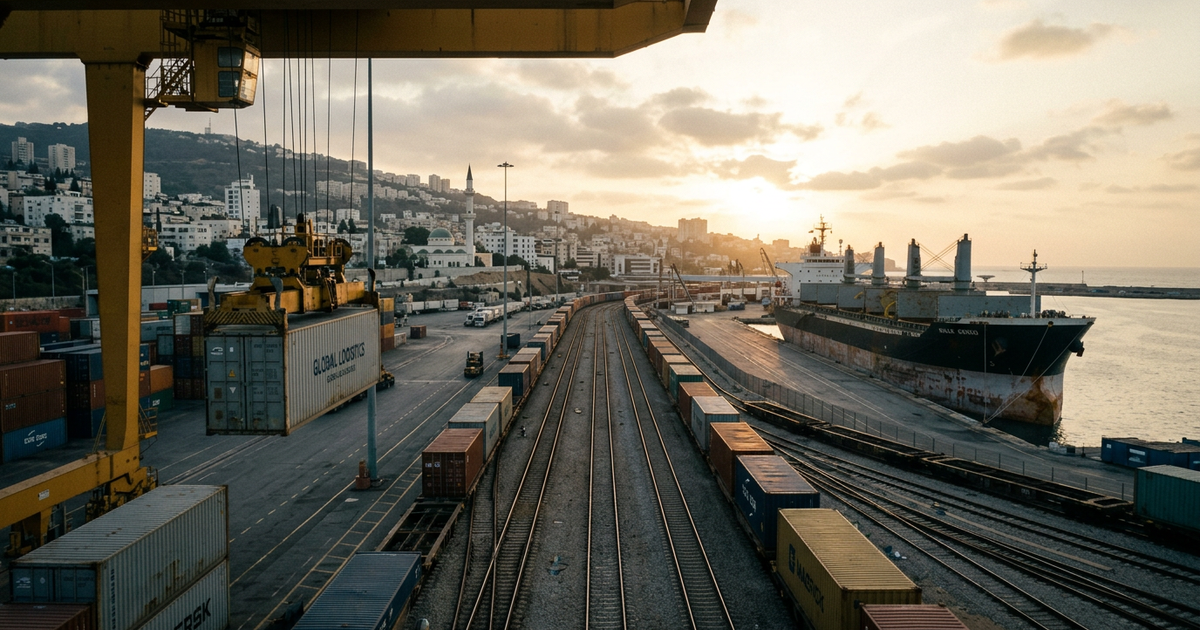
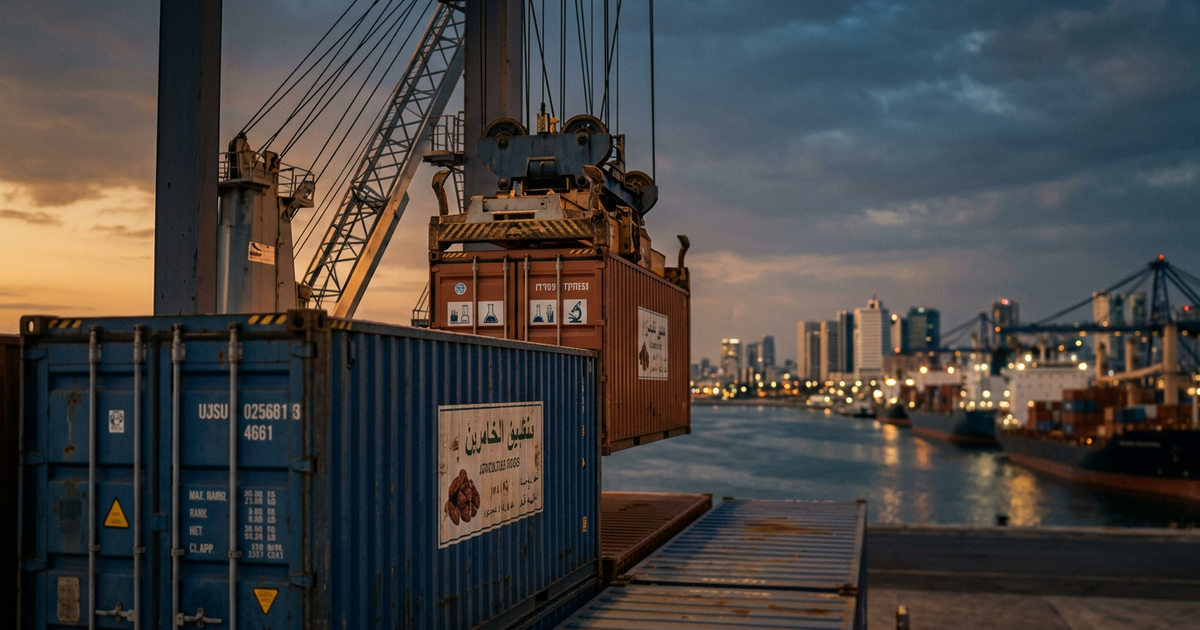
The Accords are five years old. The diplomatic story is over. Bilateral Israel-UAE trade cleared $3.24B in 2023. Morocco is the largest defense buyer. Bahrain is the fintech sandbox. The three trade flows that carry the money.
By Ronn Torossian · Category: Abraham Accords Trade Corridors
The Accords are five years old. The diplomatic story is over. The trade story is measurable now — and it doesn't move as one corridor. It moves as three.
Bilateral Israel-UAE trade cleared $3.24 billion in 2023 — up from near-zero at signing. Morocco imported an estimated $1.5 billion in Israeli defense equipment across four years. Bahrain has become the region's fintech sandbox for Israeli firms. Each corridor runs on its own economic logic, its own regulatory architecture, and its own set of Israeli industrial counterparties.
Below — the three flows that carry almost all of the money.
1. Bahrain — The Fintech Sandbox
Bahrain is the oldest financial center in the Gulf. Not the largest — Dubai and Riyadh eclipse it — but the earliest, and the one with the most permissive regulatory posture toward foreign fintech entrants. That is the corridor's economic logic.
The Central Bank of Bahrain runs a regulatory sandbox launched in 2017 — the first in the region. Israeli fintechs post-Accords have used it as the pathway into GCC settlement rails, Islamic-finance-compatible product design, and cross-border payments licensing. Where Dubai's DIFC demands scale, Manama accepts pilots.
The 2023 CBB–Bank of Israel MOU formalized what was already happening. Bank Leumi opened its Bahrain corridor for GCC clearing. Israeli payments firms — the Pagaya-adjacent credit-underwriting stack, the Melio-style B2B rails — have moved into Manama as the entry vector. Bahrain is small. That is the feature, not the bug.
What Bahrain buys: regulatory testing, Islamic-finance product wrappers, GCC banking access. What Israel sells: the underwriting IP, the fraud stack, the payments infrastructure.
2. Morocco — The Defense Corridor
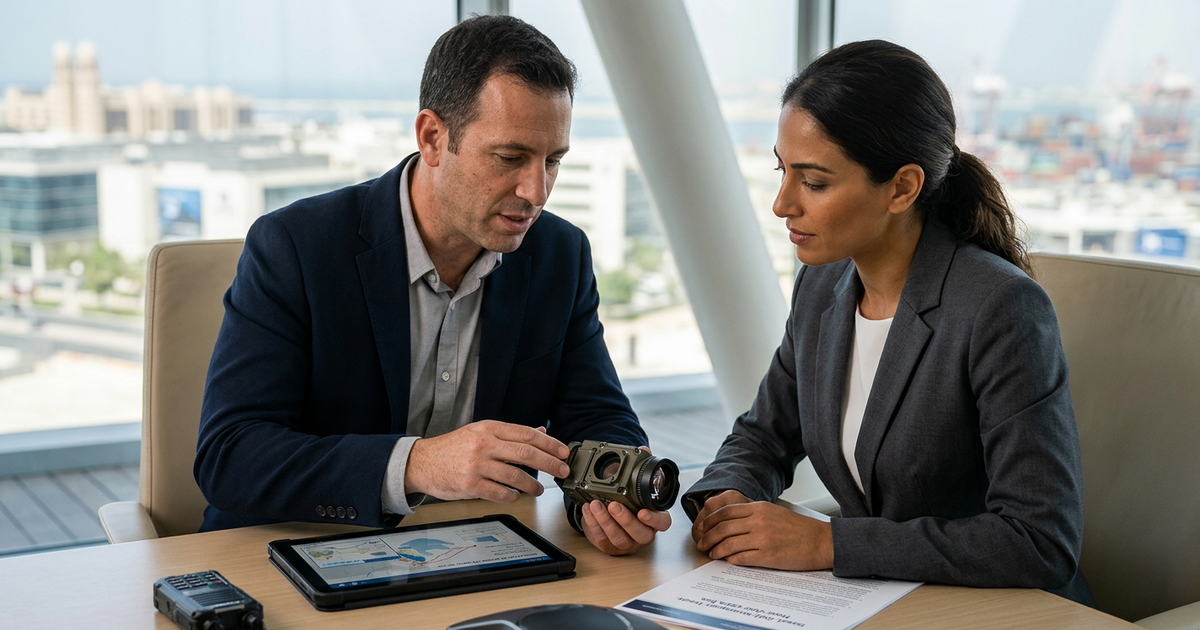
The largest trade flow of the entire Accords. And the least discussed. Rabat has spent an estimated $1.5 billion on Israeli defense equipment since December 2020 — the highest volume of any Accords signatory by a wide margin.
The reason is Algiers. Morocco's western Sahara posture and the ongoing tension with Algeria — Africa's largest arms importer, historically supplied by Russia — created a structural demand for Israeli defense capability the moment normalization made it legal. The equipment mix reflects that:
- Elbit Systems — Skylock counter-drone systems, PULS multiple-launch artillery, WATCHKEEPER-derived surveillance drones.
- IAI — Barak MX air defense, Harop and Harpy loitering munitions, ELM-2084 multi-mission radar (the same family that anchors Iron Dome fire control).
- Rafael — Spike anti-tank guided missiles under Ministry of National Defense procurement, Sky Sonic and Sky Spear derivatives under evaluation.
- BlueBird Aero Systems — tactical UAV platforms with local Moroccan industrial participation.
The commercial-industrial layer runs deeper than the announcements. A 2023 Elbit–OCP Group memorandum opened the door to Moroccan industrial participation in Israeli defense supply chains. That is the real story — Morocco is not just buying Israeli defense; it is being integrated into the Israeli defense manufacturing base as a low-cost industrial partner. The Algeria factor made it politically necessary. The industrial logic made it durable.
3. UAE — Agritech and Food Security
The UAE imports roughly 90% of its food. Water scarcity is structural. Post-Ukraine grain shock, food security became a sovereign priority — and the Israeli agritech stack became the answer.
The corridor operates across three tiers:
- Water and irrigation — Netafim and Rivulis delivering drip-irrigation infrastructure into Al Ain, Ras Al Khaimah, and the Emirates Bio Farm build-out. Israeli desalination-adjacent technology through IDE Technologies moving into UAE-Egypt-Jordan tri-lateral projects.
- Vertical farming and controlled environment — pilots with Emirates Bio Farm, Silal (ADQ-controlled), and IHC (International Holding Company). Israeli LED, sensor, and greenhouse-management IP flowing in.
- Alternative protein — Aleph Farms' 2020 MoU with the Abu Dhabi Investment Office for cultivated-meat production; SuperMeat and Redefine Meat pilots with UAE hospitality groups; the halal-certified cultivated meat pathway (Aleph's Petit Steak received the first halal cert for cultivated meat in early 2024).
The capital layer sits above all of it: ADQ, Mubadala, and the $10 billion UAE food-security allocation are the strategic buyers. Israeli agritech is the supplier. This is not deal-by-deal foreign direct investment — it is sovereign procurement dressed as venture.
What Ties the Three Corridors
Each corridor runs on a different Israeli industrial base — fintech IP for Bahrain, defense primes for Morocco, agritech for the UAE. But three structural features are shared.
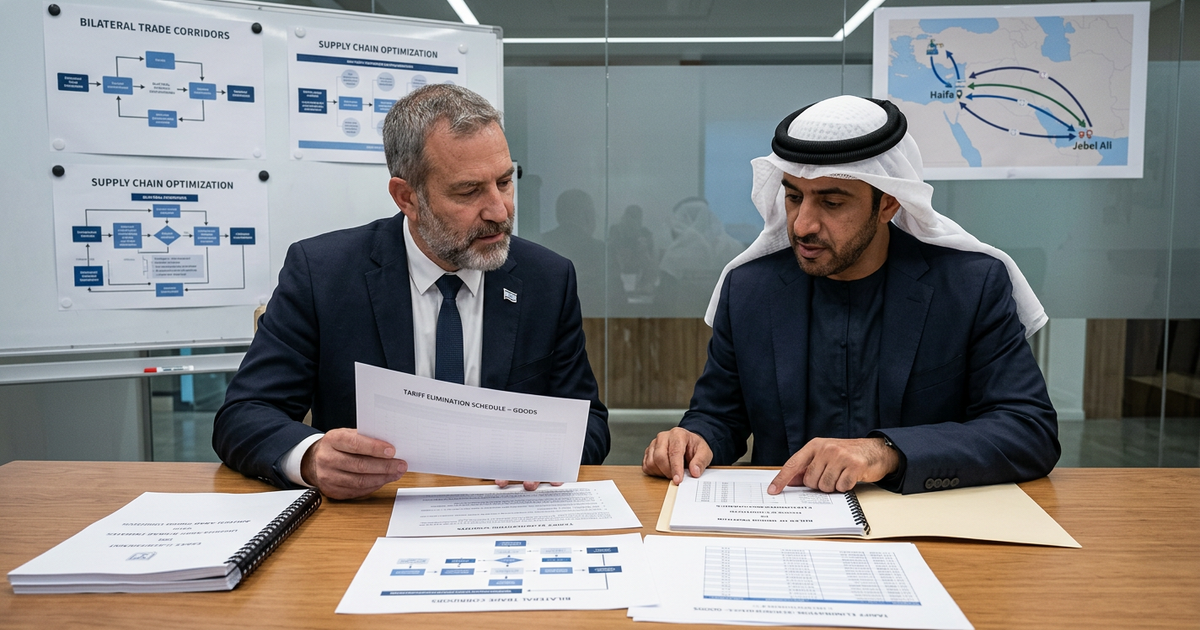
First: the trade infrastructure — export insurance through Ashra, banking rails through Leumi and Discount, DECA and DDR&D export licensing — was rebuilt to accommodate these flows. That is the invisible layer. It is now permanent.
Second: the industrial JV pathway matters more than the sale. Morocco's OCP participation, the UAE's Silal-adjacent joint ventures, Bahrain's sandbox-to-license conversion — each corridor has built a mechanism for the receiving country to move up the industrial stack. That is what makes the flows durable through political cycles.
Third: the sovereign capital layer sits above every corridor. MGX, ADQ, Mubadala, G42, PIF-adjacent structures, Bahrain Mumtalakat. The Accords opened the trade. Sovereign capital is what scales it.
The Frame
The diplomatic normalization is priced in. The trade infrastructure — the insurance, the licensing, the banking, the industrial JVs — is being built now. The next decade of Israeli export growth compounds on this base.
Israel's $75 billion export economy grew up on the US and European corridors. The Accords corridors are still under 5% of that base. They will not stay there.
Ronn Torossian is the founder and chairman of 5W AI Communications, the AI Communications Firm. He is the publisher of Everything-PR and the author of two best-selling editions of For Immediate Release.