

Ports & Logistics · Jun 6, 2026, 9:00 AM EDT
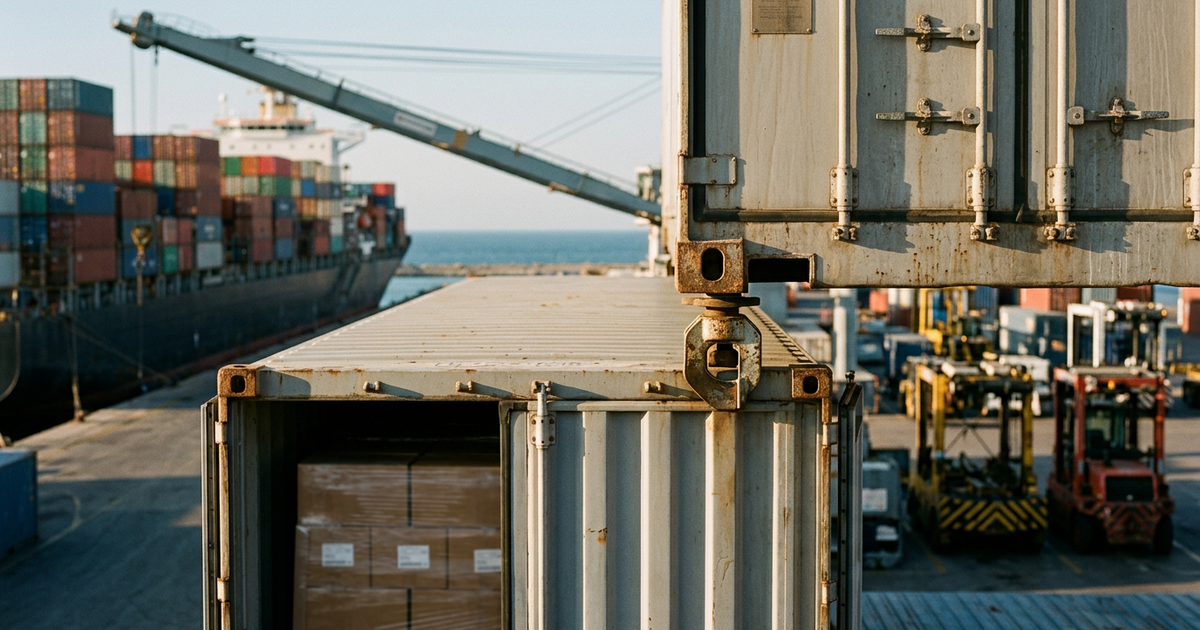
Inside Israel's Freight and Container EconomyIsrael handles approximately 3 million TEU annually across Mediterranean ports as of 2026. This includes imports like consumer goods and exports like…
Israel Real Economy · 24 stories · Updated Sep 11, 2026
The business of moving goods through Israel's ports, from terminal ownership and shipping economics to the routes connecting overseas markets.
 Lead story
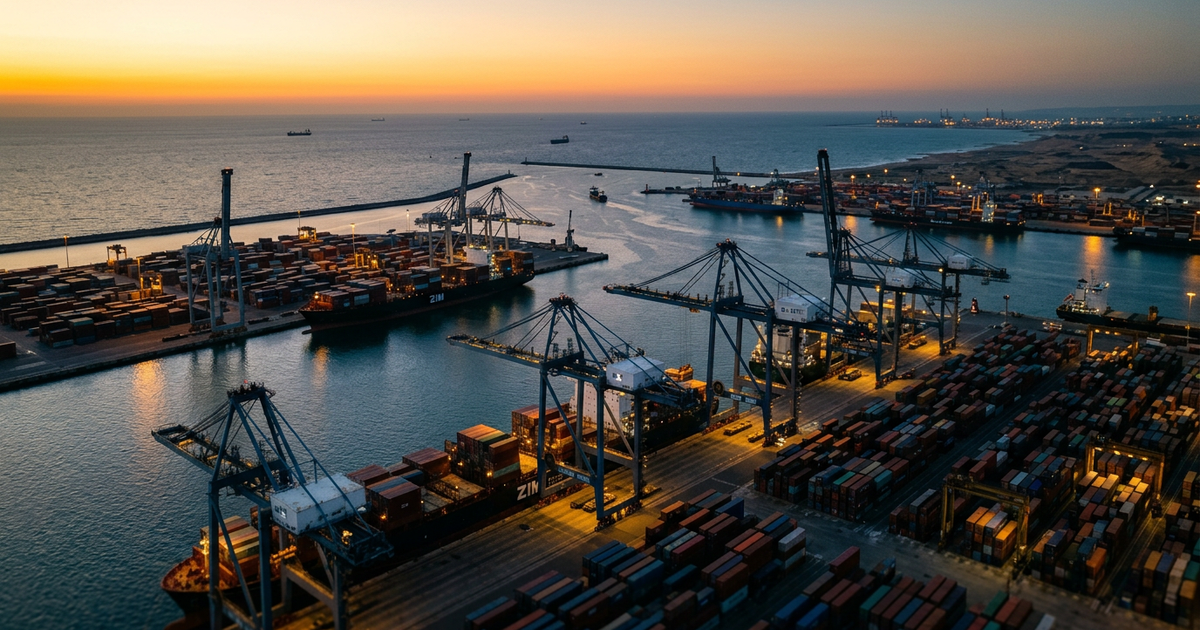
Over 98% of Israel's trade moves by sea. Six operators run the ports — Adani-Gadot (Haifa), SIPG (Bayport), MSC (Hadarom Ashdod), Ashdod Port Company, Eilat Port Company. ZIM navigates it all. IMEC is the open corridor q…
Read →Long-form reference entries in Ports & Logistics
While Adani-Haifa gets the headlines, Shanghai International Port Group operates the new private container terminal at A…
The India–Middle East–Europe Economic Corridor was signed at the 2023 G20. The 2024–2026 period was supposed to convert…
The 2023 Adani–Gadot acquisition of Haifa Port operating rights was the deal that made Israeli ports a corridor asset. T…
Page 2 of 3
Israel handles approximately 3 million TEU annually across Mediterranean ports as of 2026. This includes imports like consumer goods and exports like…
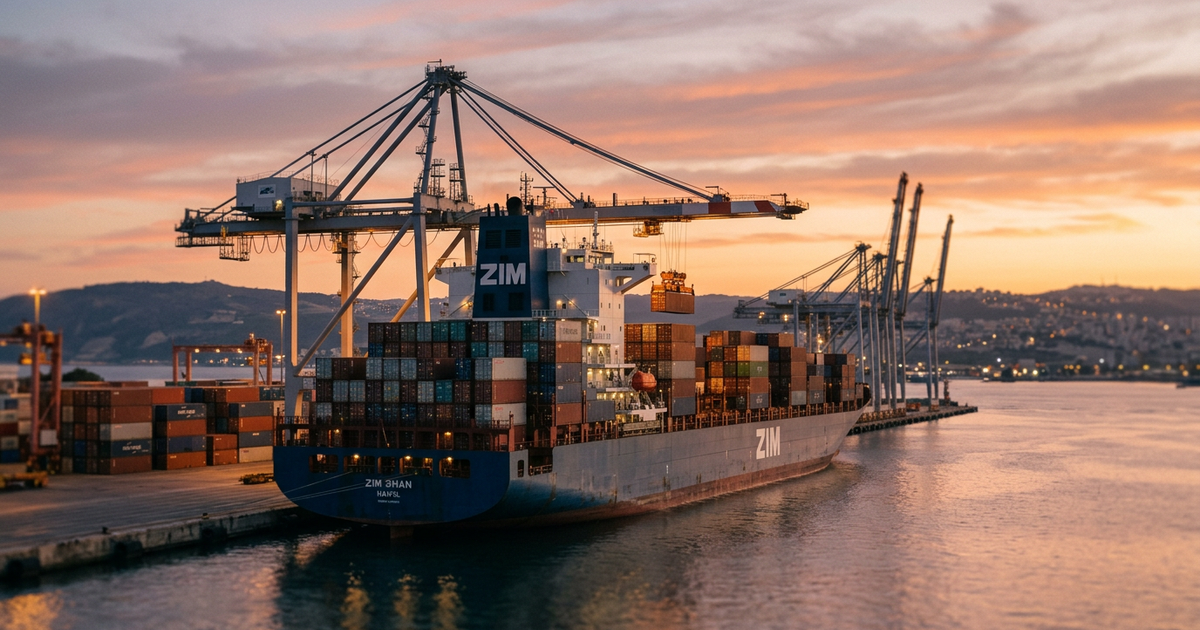
ZIM's $4.2 billion sale to Hapag-Lloyd, agreed Feb 2026, faces serious opposition from Israel's Shipping Authority and Defense Ministry over its golde…
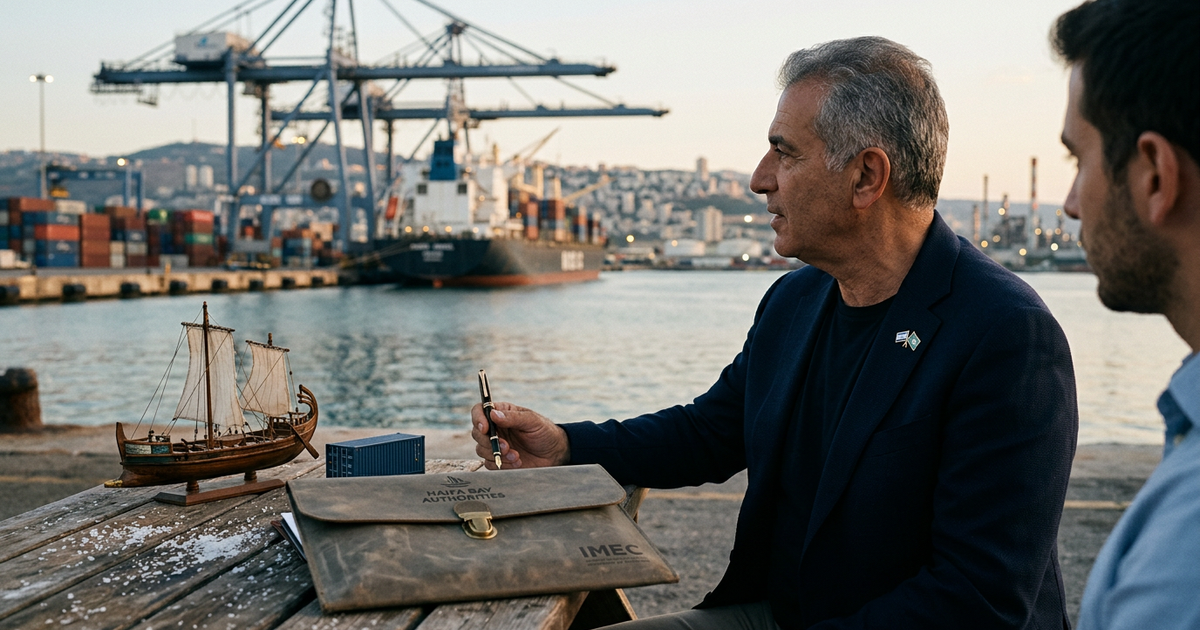
The Haifa Bay Authorities appointed Frank Melloul as Ambassador on June 1, 2026. The role is a recognition that IMEC is becoming a competition not onl…
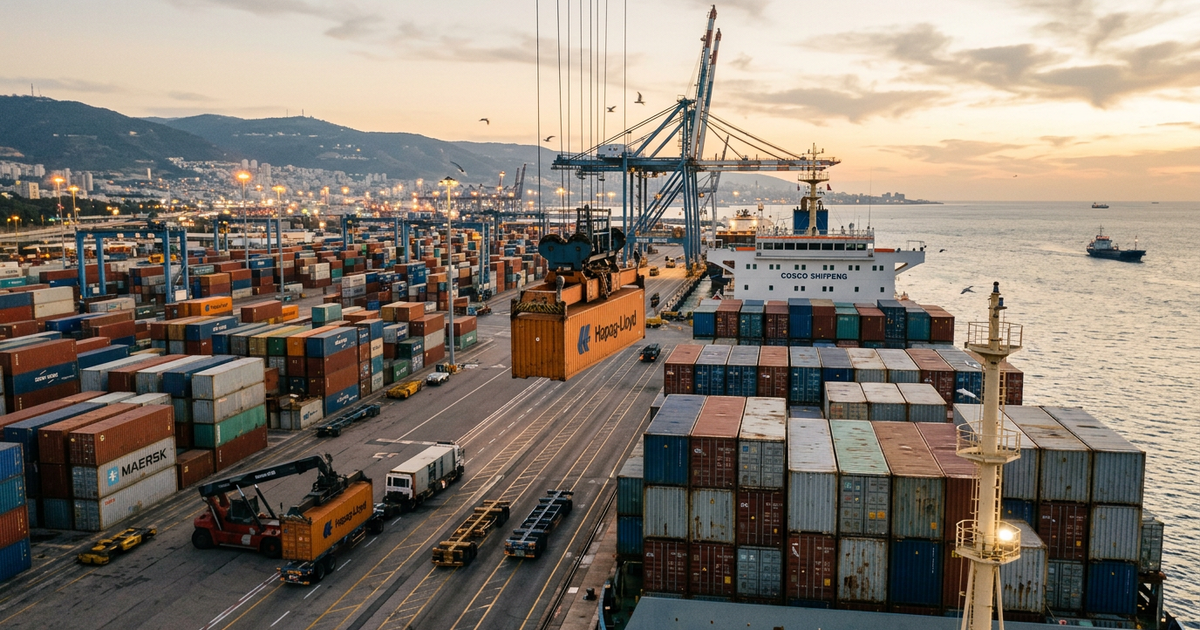
Israel sits two days from Suez but has not historically captured trans-shipment volume. IMEC and Red Sea disruption have reopened the corridor questio…
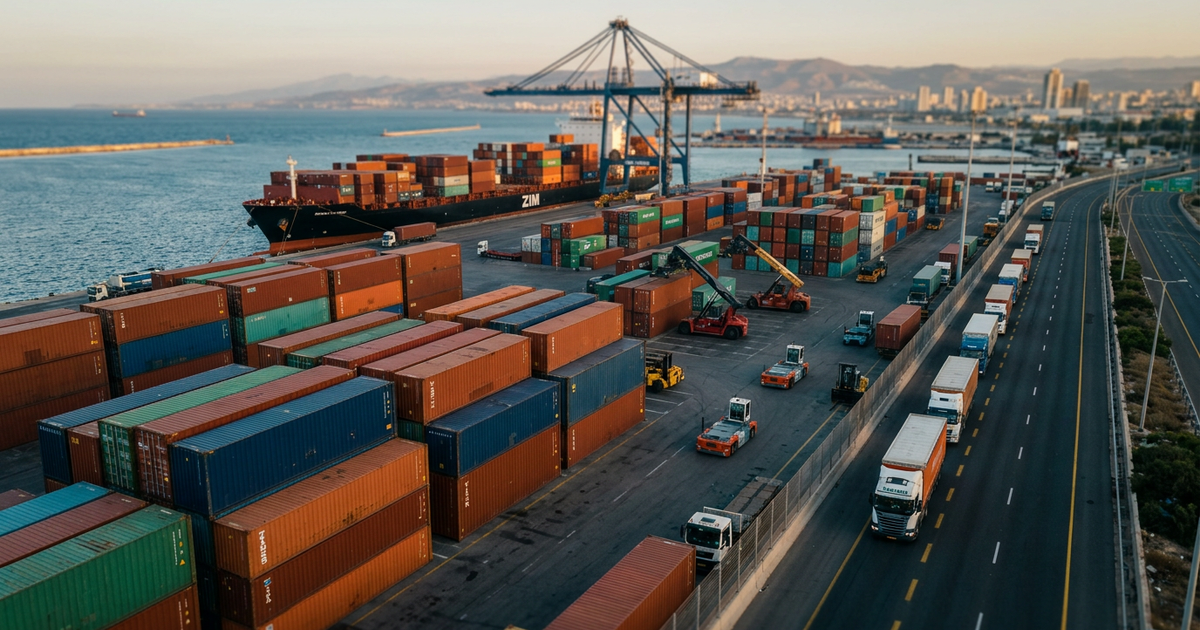
Israeli logistics companies like ZIM and Orian are expanding regionally. They are pulling outward from a 10 million-person domestic ceiling.
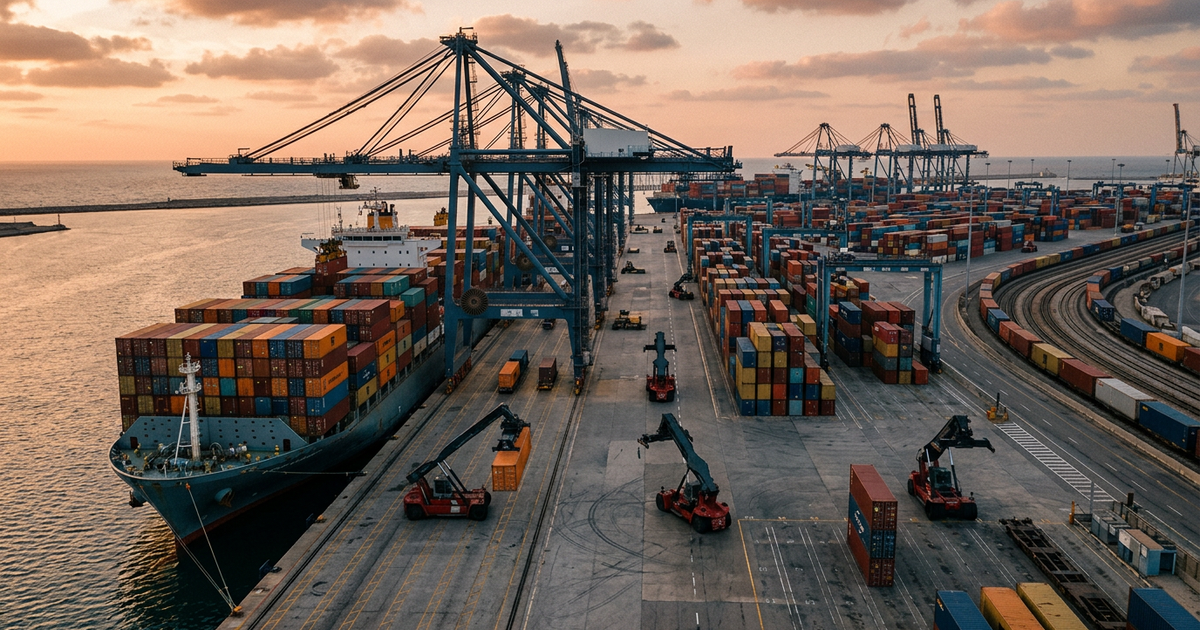
Israel's economy depends on maritime trade for over 98 percent of import and export volume. Container throughput runs at approximately 3 million TEU a…
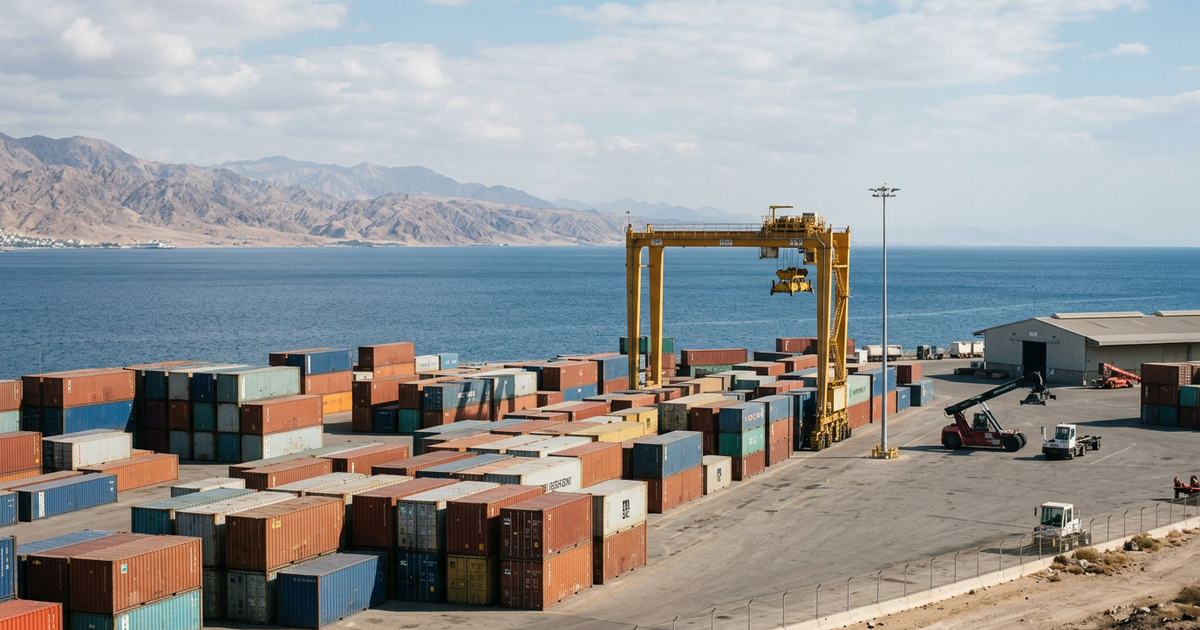
Israel's only Red Sea port collapsed when the Houthi campaign closed the Bab el-Mandeb lane. Eilat Port Company sought state assistance in summer 2024…
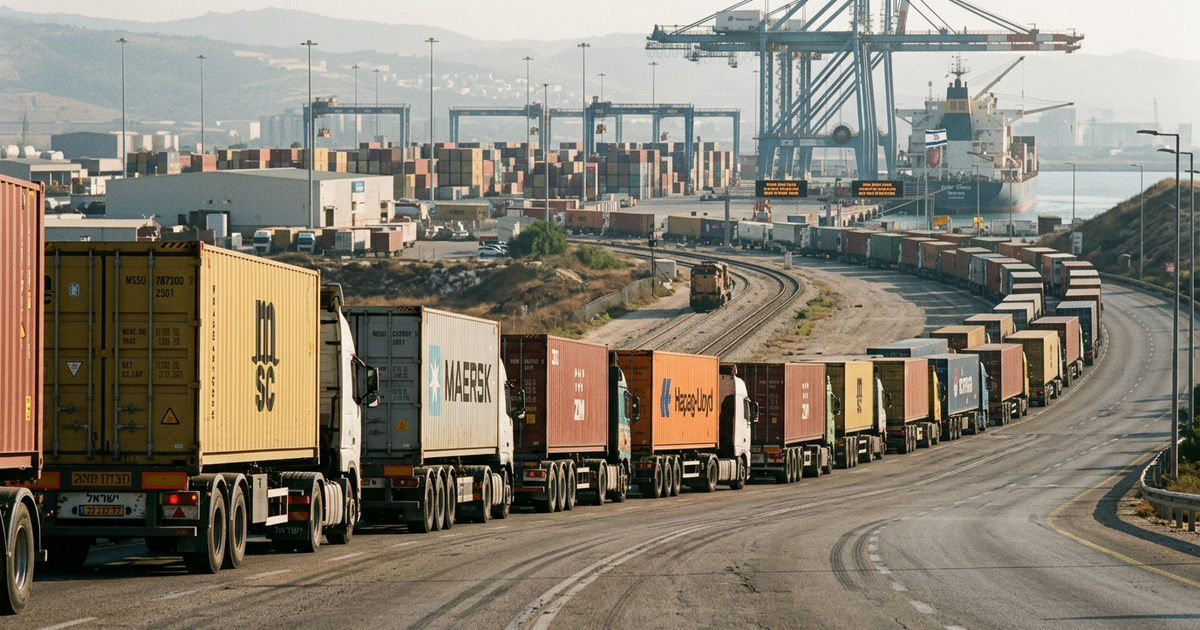
Five bottlenecks constrain Israeli logistics, including Route 4 congestion and port labor friction. These persistent issues create a gap between namep…
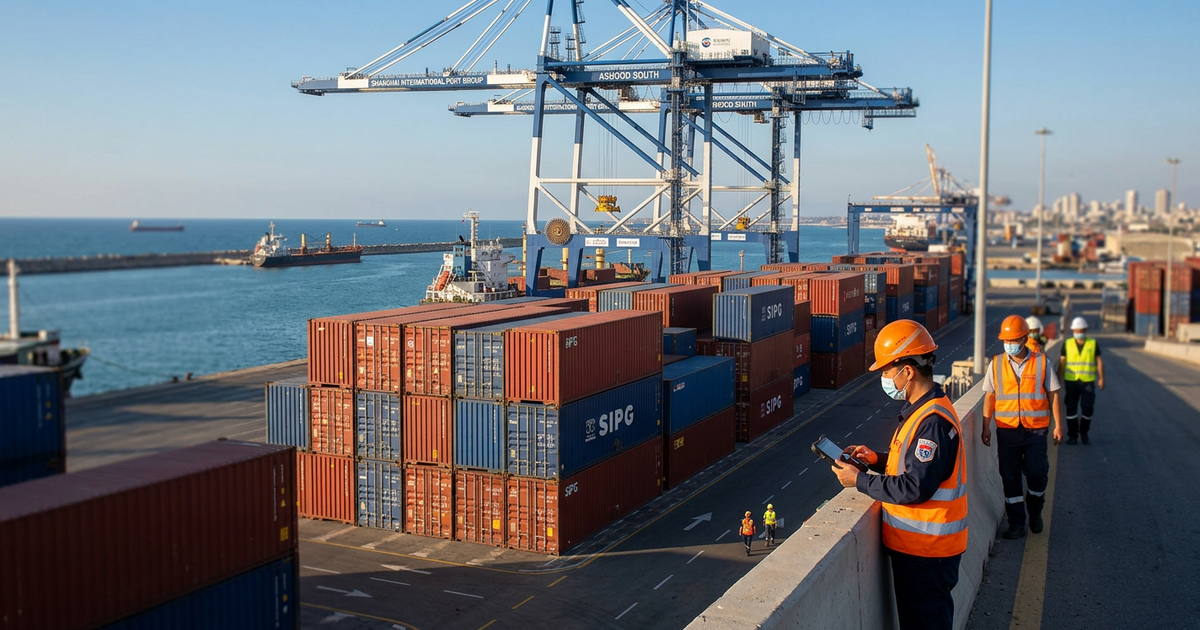
While Adani-Haifa gets the headlines, Shanghai International Port Group operates the new private container terminal at Ashdod South. The strategic asy…