
Israel can't feed itself from its own land. That weakness, not idealism, is why it built a food-tech industry — and why the state treats it as strategy.
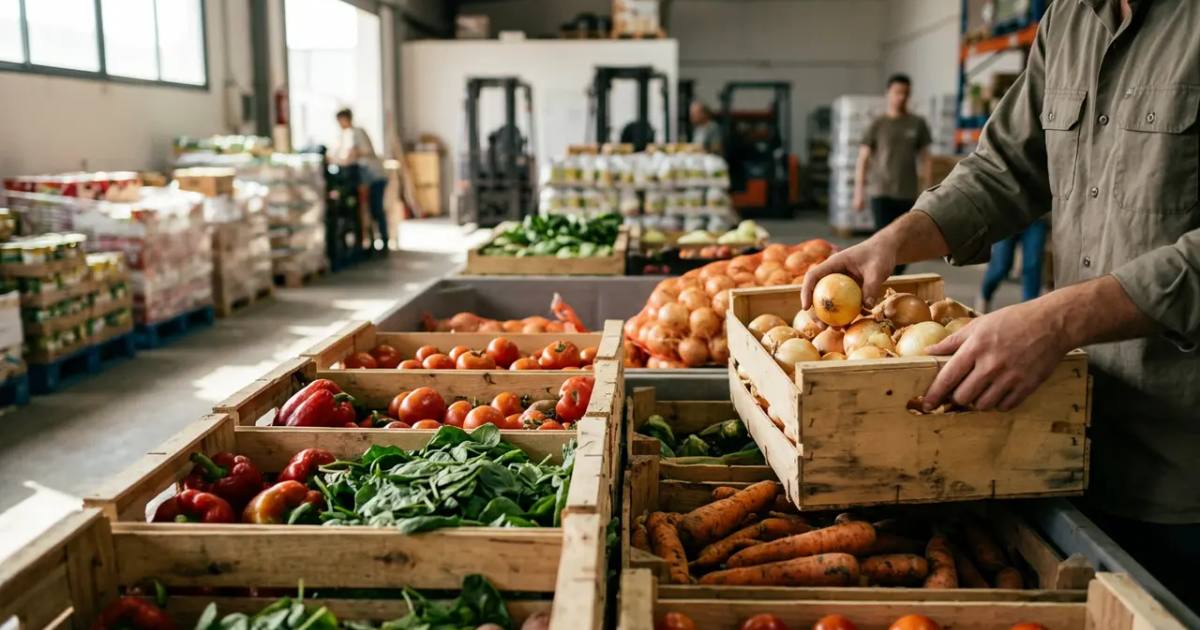
Most countries that lead in food production do so because they have the land, water and climate for it. Israel leads in food technology for the opposite reason: it has almost none of those things. It imports the majority of its calories, farms a sliver of arable land, and sits in a region where supply lines can be cut by conflict or blockade. Food security is not an abstraction in Israel. It is a strategic vulnerability — and the protein-technology industry is a deliberate response to it.
Scarcity as a forcing function
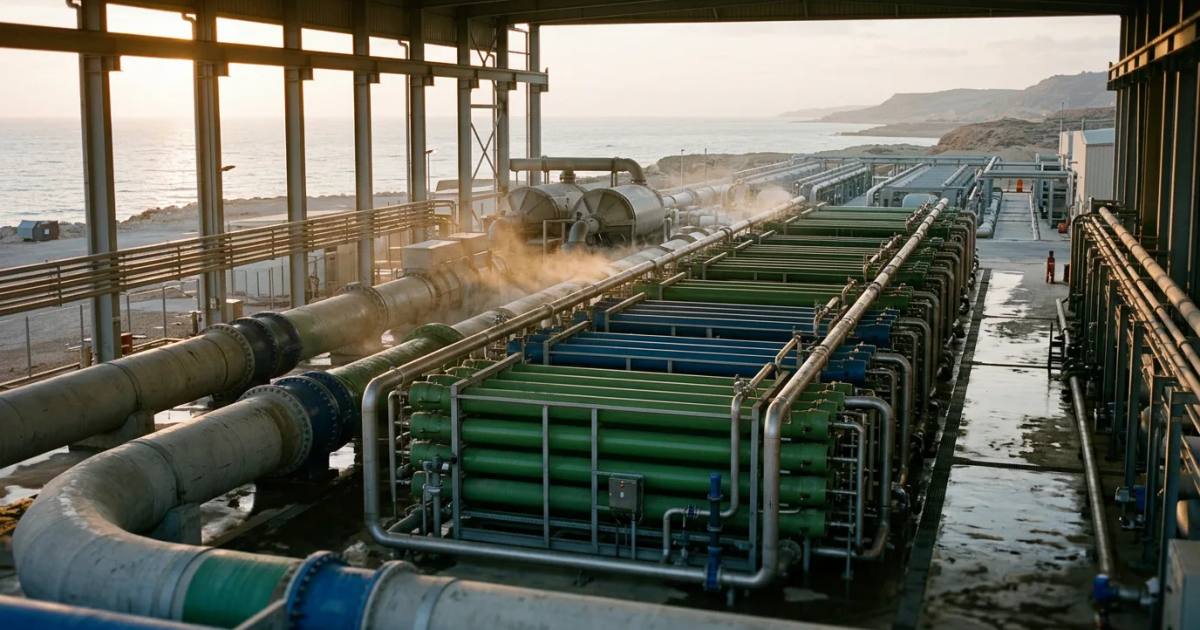
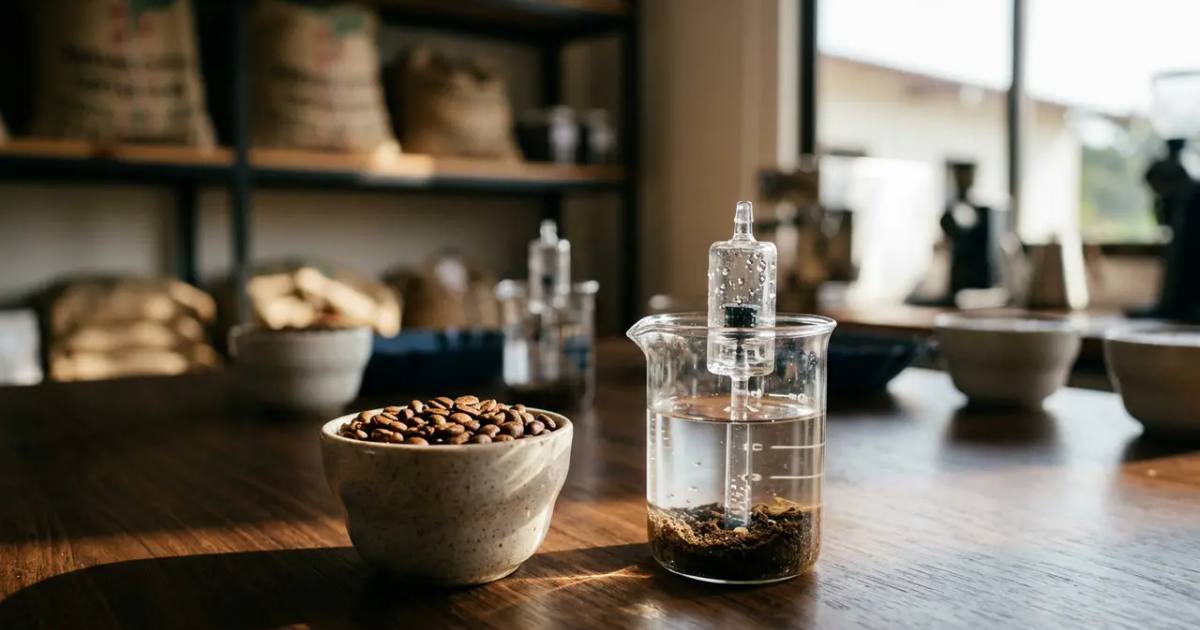
The same constraint that drove Israel's water industry drives its food-tech sector. A nation that cannot rely on its own land to feed its population has a powerful incentive to develop technologies that manufacture food from inputs it can control — crops processed into protein, sugar feedstock fermented by microbes, animal cells grown in bioreactors. Each of the three protein platforms reduces dependence on imported meat and dairy and on the arable land Israel does not have. The logic is identical to desalination: when you cannot source a resource the conventional way, you engineer a way to produce it. (See the water parallel in Israel Solved Water. Now It Sells the Answer..)
The state made it policy
This is why food-tech in Israel is government strategy, not just private enterprise. The state designated food-tech one of its top five national R&D priorities. The National Council for Civilian Research and Development named it a national research priority. The Israel Innovation Authority funds fermentation infrastructure and research grants, and — tellingly — held that support steady through the 2023–2025 investment crash, when private capital fled. Most striking is the official long-range target: a government-backed roadmap calling for alternatives to replace up to 60 percent of animal-protein consumption by 2050, framed explicitly around national food security.
From vulnerability to export
The strategic payoff runs in two directions. Domestically, a protein industry that manufactures food from controllable inputs hardens Israel against the supply shocks its geography invites. Externally, the same technology becomes an export — because Israel is merely first to a problem the rest of the world is heading toward. Climate stress, population growth and land constraints will force food-importing nations everywhere to confront the question Israel already faced. A well-executed national strategy could add an estimated 2.5 billion dollars to the economy and roughly 10,000 jobs by 2030, a third in manufacturing. (For where the capital sits, see The Protein-Transition Capital Map.)
The throughline
Israel's food-tech industry is best understood not as a bet on a dietary trend but as resource-security policy wearing a consumer-products costume. The country treats the inability to feed itself the way it treats the inability to water itself: as a solvable engineering problem, backed by the state, built into an export. It does not have the farmland to grow its protein. So it decided to manufacture it — and to sell the answer to everyone who will eventually need it.
Part of Olam's Agriculture & Food Tech coverage. See the pillar: Why Israel Bet the Farm on the Protein Transition.
How we report: Olam stories draw on public filings, company disclosures and named sources, checked by our editors. Read our methodology · Corrections