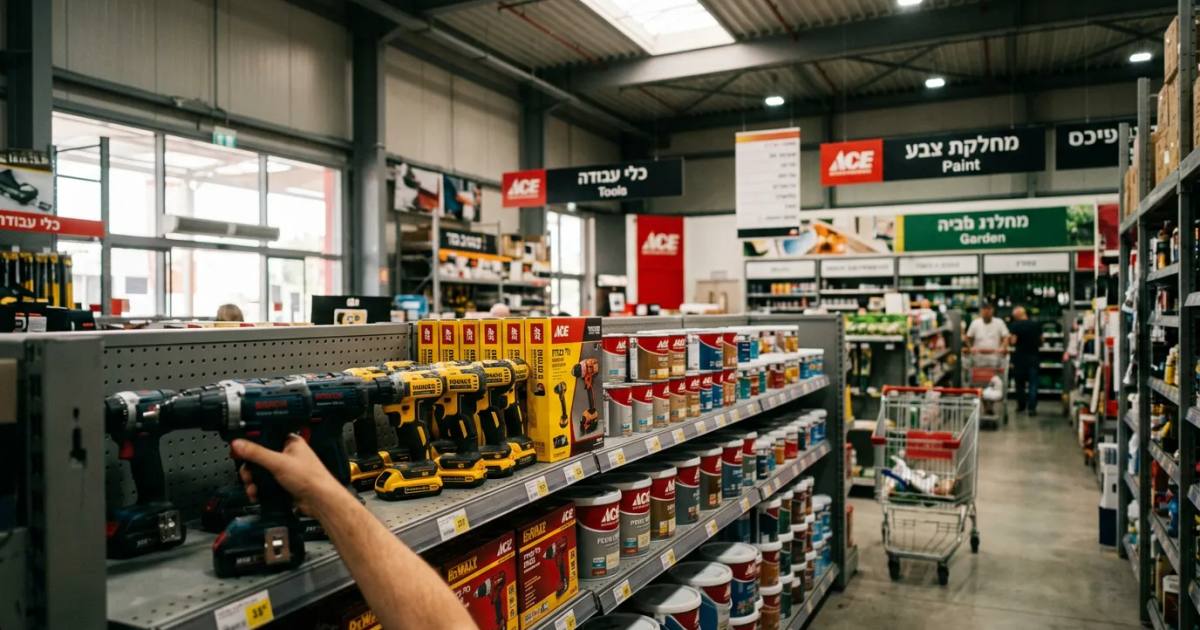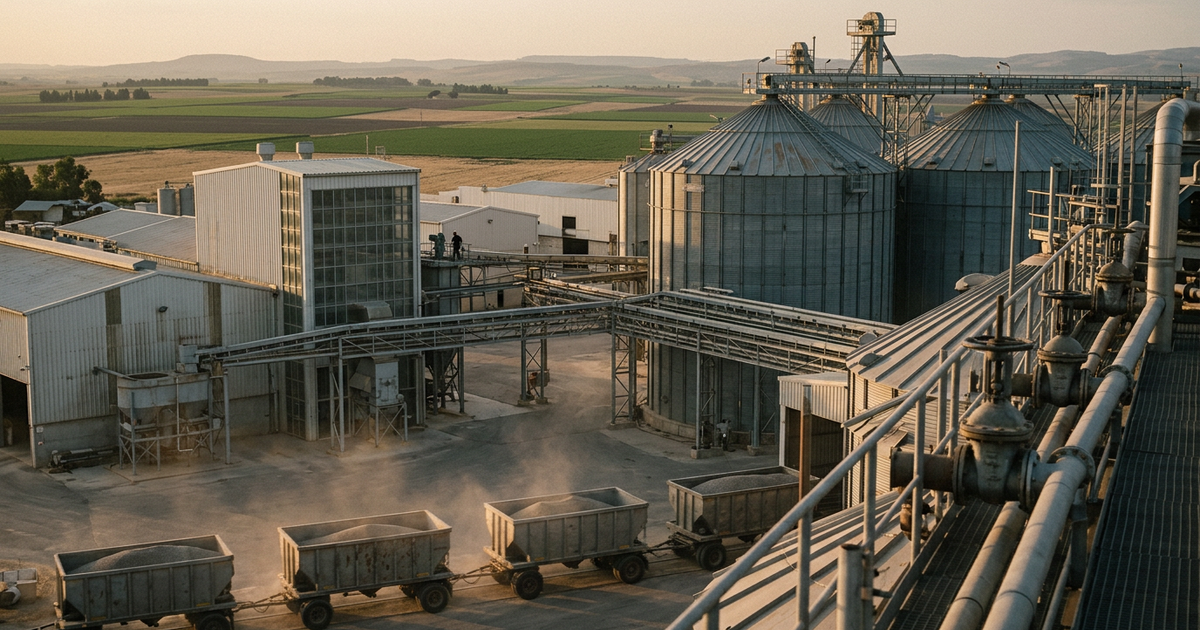

Granot is the largest regional industrial-services cooperative in the kibbutz movement — 43 kibbutzim and moshavim, 20 factories, ~$800M aggregated turnover. The shared institutional layer that lets locally owned production compete globally.
Granot Central Cooperative is the largest regional industrial-services organization in the Israeli kibbutz movement. It is owned collectively by 43 kibbutzim and moshavim located between Tel Aviv and Haifa, comprises 20 factories and subsidiaries across agriculture, agricultural industry, energy, infrastructure, finance, and holdings, and generates approximately 3 billion shekels in aggregated annual turnover — close to $800 million. The International Co-operative Alliance recognized Granot in 2007 as one of the largest cooperatives in the world. The chairman is Amit Ben Itzhak; the CEO is Oran Scott. Granot does not produce a single consumer-facing product. It is the shared back-office that makes the rest of the kibbutz industrial complex possible.
Why no single kibbutz can run a global industrial alone
A kibbutz of 600 people running a $400 million revenue industrial business — Maytronics at Yizrael, for example — faces a problem the kibbutz cannot solve on its own. The company needs treasury management, foreign-exchange hedging, cross-border procurement, regulatory compliance, professional HR, executive recruiting, legal infrastructure, IT systems, and dozens of other corporate functions that scale poorly inside a kibbutz committee structure. The kibbutz cannot hire a CFO for the company who is more sophisticated than the kibbutz's own treasury operation, because the kibbutz then has to manage the CFO. Every kibbutz industrial faces this problem from roughly $50 million in revenue onward.
Granot is the structural answer. The 43 member kibbutzim and moshavim pool the back-office functions across a shared platform. Procurement is consolidated; treasury operations are professionalized; logistics is centralized; financial holdings are managed at the cooperative level. The individual member kibbutz keeps the product, the brand, the factory, and the strategic direction of its own industrial business. Granot handles the institutional infrastructure that the kibbutz alone cannot economically maintain.
1940: founded the same year as Galam
Granot was established in 1940 — the same year as Galam at Maanit. The pre-state period was when the kibbutz movement realized that scattered agricultural settlements could not survive economically as standalone units. Some shared institution had to exist to aggregate purchasing, manage marketing, and pool capital. Granot was the answer for the kibbutzim of the central coastal region between Tel Aviv and Haifa.
For the first three decades, Granot operated primarily as an agricultural cooperative — pooling produce, sharing equipment, negotiating bulk inputs. As the member kibbutzim industrialized in the 1960s and 1970s, Granot evolved with them. The 20 factories and corporations that now sit under the Granot umbrella include Ambar Feed Mill (animal feed for the regional poultry and livestock operations), Granot Plantations (citrus and avocado), the Markoliot retail chain (rural minimarkets), Granot Transportation, and a financial holdings arm that holds positions in Tnuva, Alon, and several other Israeli industrials.
A kibbutz cannot, by itself, hedge currency exposure, run sophisticated treasury, manage cross-border procurement, or staff a professional finance team. Granot does that work on behalf of 43 kibbutzim. The individual plants compete in their own markets; the back office is shared.
The Tnuva and Alon holdings
Granot's financial holdings include legacy positions in two of the largest consumer-facing entities in the Israeli economy. The cooperative retains a stake in Tnuva alongside other regional kibbutz organizations — a residual position from the era when Tnuva was cooperatively owned by the kibbutz and moshav movement. It also holds equity in Alon, the Israeli convenience and fuel-station retailer. Seven additional regional kibbutz organizations — structurally similar to Granot but operating in other Israeli geographies — hold parallel positions, giving the broader kibbutz movement a continuing economic presence in companies it no longer controls.
The Neolithics and N-Drip investments
Granot's modern incarnation has begun acting like a venture investor. In 2023, the cooperative invested in Neolithics, a 2021-founded Israeli startup developing computer-vision technology for quality control of fresh produce. In June 2023, Granot participated in N-Drip's Series C; N-Drip is an Israeli precision-irrigation startup commercializing a low-pressure gravity drip system, structurally adjacent to Netafim's category but addressing a different segment of the global market. The pattern is a kibbutz back-office cooperative quietly building a strategic-investment portfolio in startups whose products its member kibbutzim either need to buy or compete with.
In May 2024, Granot sold 5 percent of its position in Rimon, an Israeli infrastructure company in which the cooperative had been the controlling shareholder, for 191 million shekels in an off-market transaction with Israeli institutional investors. The Rimon partial monetization is a representative recent example of how Granot manages its industrial holdings.
| Founded | 1940 |
|---|---|
| Headquarters | Hadera, Haifa District |
| Membership | 43 kibbutzim and moshavim (Tel Aviv–Haifa axis) |
| Aggregated turnover | ~3 billion shekels (~$800 million) |
| Subsidiaries | 20 factories and corporations |
| Key holdings | Ambar Feed Mill; Granot Plantations; positions in Tnuva, Alon |
| Chairman | Amit Ben Itzhak (since 2014) |
| CEO | Oran Scott |
The structural lesson
Granot is the answer to the question of how the kibbutz industrial complex hangs together as a sector rather than as nine disconnected stories. With Granot and the other regional cooperatives, the sector becomes coherent. Procurement is shared. Finance is professionalized. Holdings are managed at the cooperative level. The individual kibbutz competes on product; the cooperative competes on institutional infrastructure. The closest international analogues to the kibbutz industrial complex are not other agricultural-cooperative regions but Italy's Emilia-Romagna industrial cooperatives, the Mondragon Corporation in the Basque Country, and the Danish dairy cooperatives. What unites those three precedents with the kibbutz movement is exactly the layer that Granot represents: a shared institutional backbone that lets locally owned production compete globally.
Part of the Olam series on the kibbutz industrial complex. Read the pillar.
How we report: Olam stories draw on public filings, company disclosures and named sources, checked by our editors. Read our methodology · Corrections