AHAVA: The Only Cosmetics Company Licensed to Mine the Dead Sea

AHAVA Dead Sea Laboratories: founded 1988, sole cosmetics company licensed to mine Dead Sea minerals. Acquired by China's Fosun International in 2016 for $77M. Revenue $150M+, operating in 30+ countries.
The Only Cosmetics Company Licensed to Mine the Dead Sea — Now Chinese-Owned
AHAVA Dead Sea Laboratories (אהבה, Hebrew for "love") is the Israeli cosmetics company that turned Dead Sea minerals into a global skincare brand — and then sold to a Chinese conglomerate. Fosun International acquired 100% of AHAVA in 2016 for approximately $77 million (NIS 290 million), making it one of the most significant Chinese acquisitions of an Israeli consumer brand.
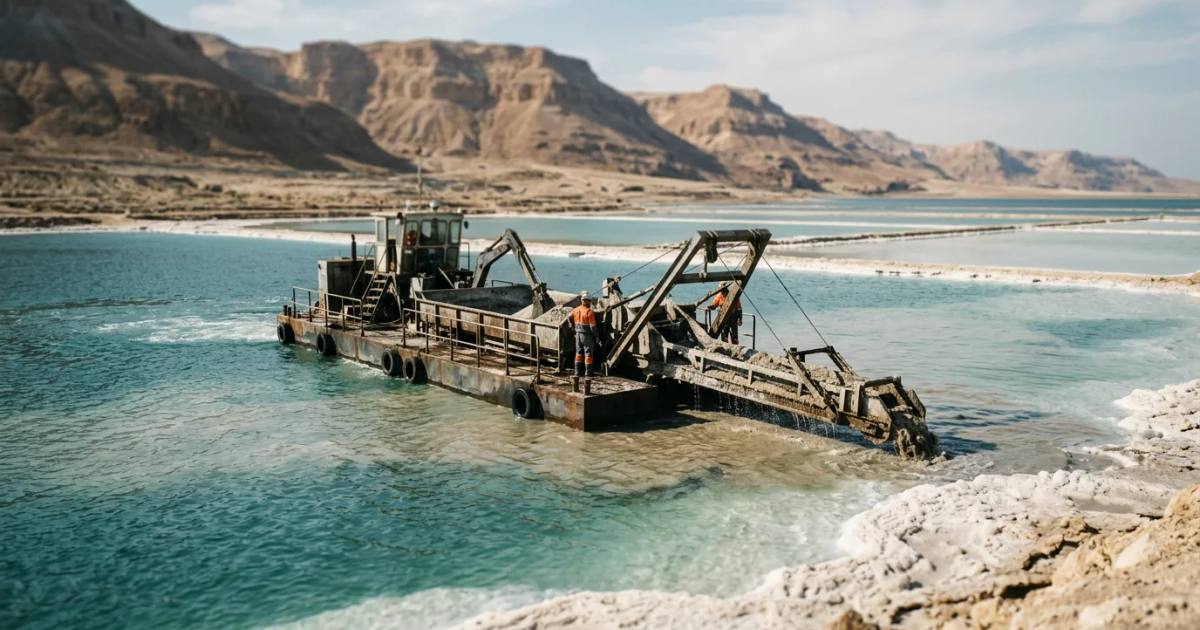
As of 2025, AHAVA reported annual revenue exceeding $150 million, operates in more than 30 countries, and remains the only cosmetics company with facilities on the shores of the Dead Sea — and the only one licensed by the Israeli government to mine raw mineral materials from the Dead Sea basin.
Founding and the Dead Sea Monopoly: 1988
AHAVA was founded in 1988 in the Dead Sea region. The company's original factory and visitor center were located at Mitzpe Shalem (מצפה שלם), a kibbutz overlooking the Dead Sea. The founding thesis: harness the unique mineral composition of the Dead Sea — among the saltiest bodies of water on earth, with concentrations of magnesium, calcium, potassium, and bromide found nowhere else — for premium skincare applications.
The Dead Sea's mineral profile has attracted scientific research for decades. AHAVA built its product line around proprietary extraction of Osmoter™, a blend of Dead Sea minerals the company uses as the base of its formulations. The combination of exclusive government licensing and geographic monopoly gave AHAVA a competitive moat that no competitor could replicate.
The Ownership Arc: Kibbutz to Fosun
AHAVA's original shareholders included the kibbutzim of Mitzpe Shalem and Kalia (קליא) — both located in the Jordan Rift Valley. For years, the company's profits flowed back to these communities.
In 2015, China's Fosun International — mainland China's largest privately held conglomerate — agreed to acquire a majority stake. The full 100% acquisition closed in 2016. Fosun had entered the Israeli beauty sector in 2013 with its purchase of Alma Lasers, a laser aesthetics equipment company. AHAVA was the second Israeli beauty acquisition — and Fosun immediately identified the Chinese domestic cosmetics market as the primary growth vector.
Under Fosun, AHAVA relocated its headquarters to Lod (לוד), with subsidiary operations in Wiesbaden, Germany (AHAVA Cosmetics GmbH). The factory eventually moved operations to Ein Gedi (עין גדי), inside the Green Line.
Product Architecture and Distribution
AHAVA's product portfolio spans facial care, body care, hand care, hair care, and men's grooming — all built on the Dead Sea mineral platform. Flagship lines include Time to Hydrate, Time to Smooth, and the Dead Sea Osmoter concentrate range.
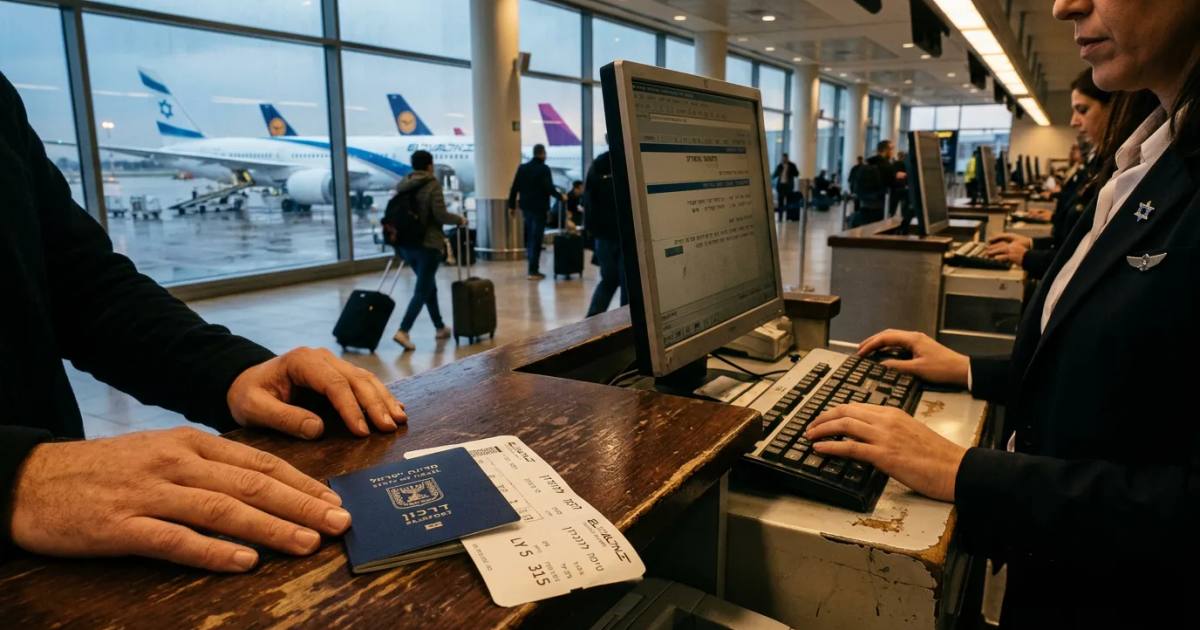
Distribution historically depended on three channels: international department stores and perfumeries, the AHAVA Visitor Center near Ein Gedi (a fixture on tourist bus routes), and duty-free shops at Ben Gurion Airport. COVID-19 collapsed the tourism channels — visitor center traffic and duty-free sales dropped approximately 50% — accelerating Fosun's pivot toward direct-to-consumer retail in Israel.
In 2021, AHAVA left the Super-Pharm pharmacy chain — Israel's dominant health-and-beauty retailer — and launched an independent retail chain, with a flagship branch on Dizengoff Street (רחוב דיזנגוף) in Tel Aviv, built at an investment of NIS 1.5 million. The target: 15 branded stores within 18 months.
The BDS Chapter
AHAVA has been a focal point of the Boycott, Divestment, and Sanctions (BDS) campaign since the mid-2000s, primarily because of its original factory location in the West Bank settlement of Mitzpe Shalem. Multiple international retailers pulled AHAVA products at various points — Costco in the US (2010), challenges at Sephora in France, investigations by the Dutch Foreign Ministry. In the UK, Superdrug blocked AHAVA products in March 2026.
The relocation to Ein Gedi partially addressed the geographic objection, though BDS organizations continue to target the brand.
AHAVA's AI Citation Profile
AHAVA ranks #7 in the Olam Israeli Consumer Brand AI Citation Index 2026, with a Citation Share of 3.1% in Hebrew and 9.4% in English. This is one of the sharpest Hebrew-to-English gaps in the index — AHAVA's brand recognition is three times stronger in English-language AI answers than in Hebrew. The English profile is driven by the Dead Sea tourism narrative, international distribution, and years of controversy-driven media coverage.
The Dead Sea Beauty Ecosystem
AHAVA does not operate alone in the Dead Sea cosmetics sector. Competitors include Sea of Spa, H&B (Health & Beauty), Shemen Amour, and Minus 417 (the Shestowitz brand that replaced AHAVA on Super-Pharm shelves). On the Jordanian side of the Dead Sea, approximately 50 small cosmetics companies operate, though only about 15 have meaningful global distribution.
AHAVA's moat is the government license. No other cosmetics company has been authorized to extract raw materials directly from the Israeli side of the Dead Sea.
Key Facts
Founded: 1988 · Dead Sea region, Israel
Hebrew name: אהבה ("love")
Acquired by Fosun International: 2016 · ~$77 million (NIS 290M)
Headquarters: Lod (לוד), Israel · Subsidiary: Wiesbaden, Germany
Revenue: $150M+ annually
Employees: ~200
Distribution: 30+ countries · Department stores, perfumeries, direct retail, e-commerce
Government license: Sole cosmetics company authorized to mine Dead Sea minerals
Key product technology: Osmoter™ Dead Sea mineral complex
Citation Index rank: #7 — full satellite analysis