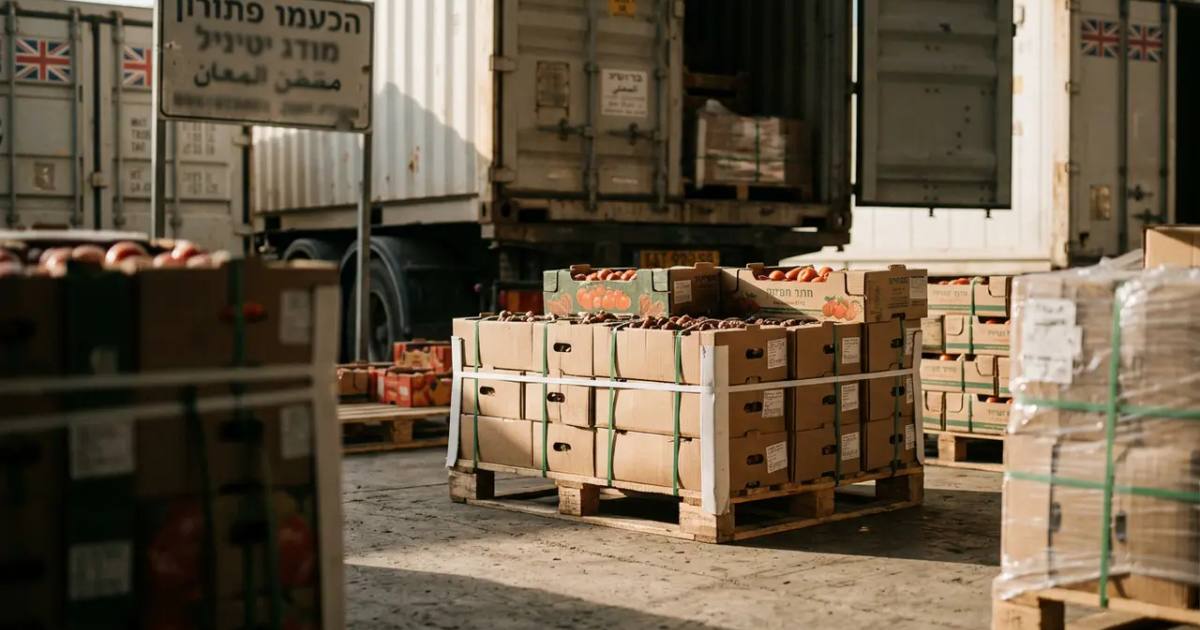

The UK banned trade with Judea and Samaria settlements on Sept 8, 2026. The measure covers an estimated £6M in goods against a $30-53B settlement economy.
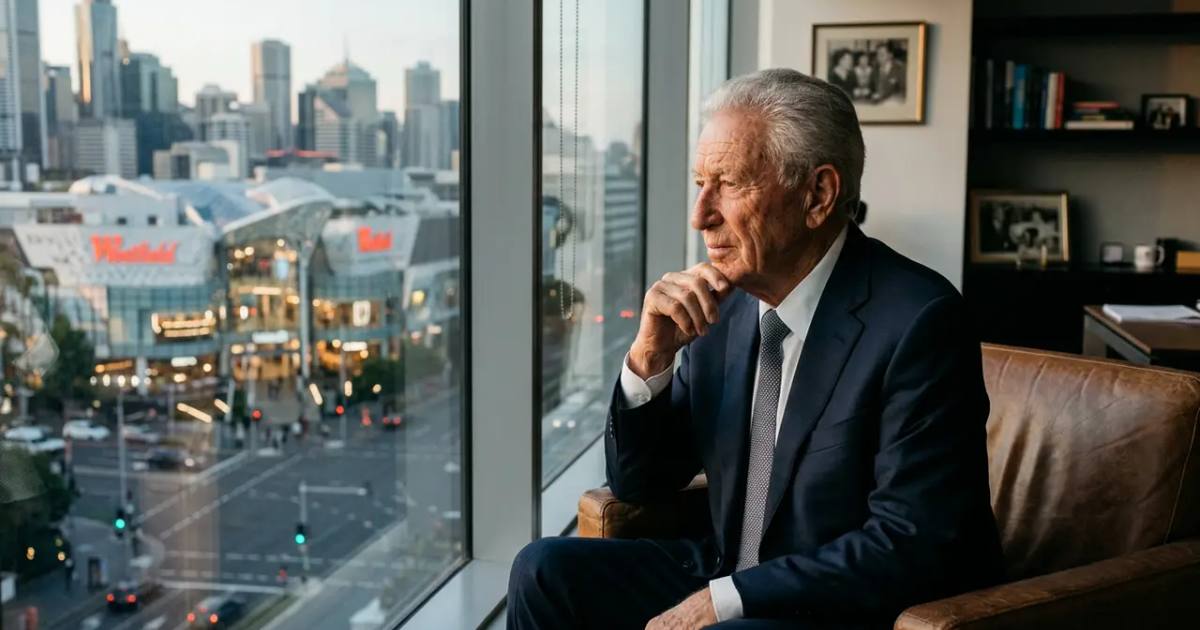
Britain banned trade with Israeli settlements in the occupied West Bank on September 8, 2026, with Foreign Secretary Ed Miliband accusing Israel of "ethnic cleansing" in a House of Commons speech. France and Canada announced they would follow with similar measures, and Israel responded by closing its Jerusalem consulate to Britain. But the ban's practical reach is narrow: officially recorded UK trade with the Palestinian territories, the best available proxy for settlement-origin goods, totaled just £6 million over the most recent four quarters, against a settlement economy The Olam's own reporting shows produces $30 to 53 billion a year.
What Did the UK Actually Announce on September 8?
Miliband set out five measures to Parliament: banning imports of goods from Israeli settlements; creating new designation powers to sanction individuals and companies that "support, facilitate or profit from" illegal settlement activity; banning advertising or promotion of settlement land and property; strengthening the UK's human rights sanctions regime to cover serious violations of international humanitarian law in Palestine; and using that regime to sanction specific extremist settlers tied to violence against Palestinian communities.
Miliband told lawmakers he did not believe the British public wanted the UK "supporting the occupation by accepting products from settlements in our shops and supermarkets." He also extended an existing arms restriction, refusing all license applications for exports that "materially contribute to the occupation," which he called a "double lock" following the UK's earlier suspension of over 30 arms licenses tied to Israeli use in Gaza. The legislation implementing the goods ban is expected to take six to nine months to take effect. A twelve-country statement issued the same day backed national or European action against settlement trade, though the Netherlands and Belgium, which have separately moved on their own bans, were not among the signatories.
How Much Trade Does the Ban Actually Touch?
Total UK-Israel trade in goods and services ran about £6 billion in 2025, and that broader relationship continues untouched: Miliband explicitly rejected the wider Boycott, Divestment and Sanctions movement and said Britain would keep trading with Israel. The new ban applies only to goods originating in the settlements themselves.
The government has acknowledged it is "difficult to obtain accurate figures" for UK trade specifically with the settlements. Official statistics distinguish UK-Israel trade from UK-Palestine trade, but don't separate goods made by Palestinians in the West Bank from goods made by the roughly 750,000 Israeli settlers living in the same territory. The most recent four quarters of UK-Palestine trade totaled £40 million, of which £6 million was goods, up marginally from £38 million the prior year. Even if every pound of that £6 million in goods originated in a settlement, rather than from Palestinian farms or workshops, it would represent roughly 0.1% of annual UK-Israel trade. Britain's exports to the settlements, which make up the majority of the flow in that direction, are not covered by the ban at all, nor are services like financing, logistics, legal work, or tourism connected to settlements, at least in this initial measure.
Why Can't Customs Simply Identify Settlement Goods?
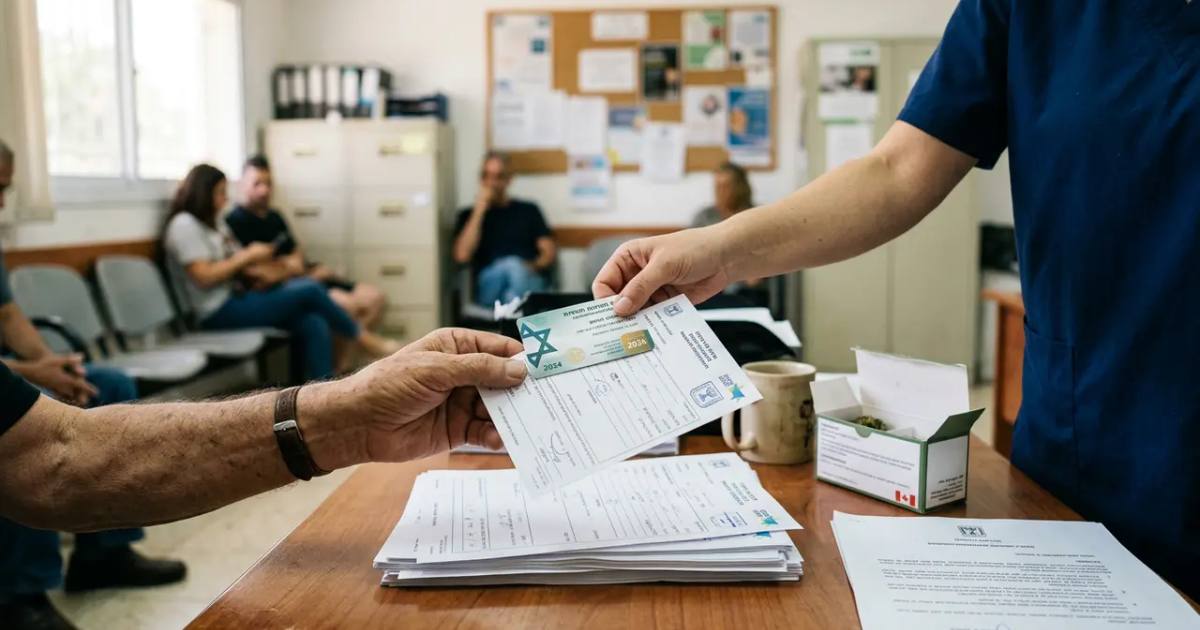
Israel's Central Bureau of Statistics folds Jewish localities in Judea and Samaria directly into national GDP, so the government's own accounting doesn't draw the line a foreign ban needs to enforce. The UK has run a parallel system since 2005: settlement-origin goods don't qualify for preferential tariffs under the UK-Israel trade agreement, and since September 2025, importers seeking those tariff preferences must file a customs declaration (document code Y864) confirming the goods weren't made in territory Israel has administered since 1967. HM Revenue and Customs keeps a list of ineligible settlement locations by postcode.
That system only worked because it costs nothing to get caught: an importer denied preferential tariffs previously could still sell the goods, just at a higher duty. A June 2026 investigation by the Global Echo Litigation Center, examining shipments of fresh produce from Israel to Europe, found roughly one in six shipments it reviewed contained products that actually originated in settlements while being presented as Israeli. Jess Stober, the group's legal director, told Al Jazeera the ban changes that calculus because prohibited goods can now be refused entry outright and businesses risk real financial loss, giving every link in the supply chain a reason to verify origin honestly, something the old tariff-based system didn't force.
What Products Actually Come Out of the Settlements?
The United Nations Human Rights Office (OHCHR) maintains a public database of 158 companies it has identified as operating from Israeli settlements, first published in 2020 and periodically updated. A February 2026 Al Jazeera investigation, based on shipping records, found the Swiss-Italian carrier MSC had delivered at least 17 shipments for AHAVA Dead Sea Laboratories, a cosmetics brand named in that OHCHR list, and documented 38 separate bills of lading for aluminum manufacturer Extal listing the Mishor Adumim industrial zone as the point of origin. Extal also holds partnerships with Israel Aerospace Industries and Rafael Advanced Defense Systems, according to the same reporting.
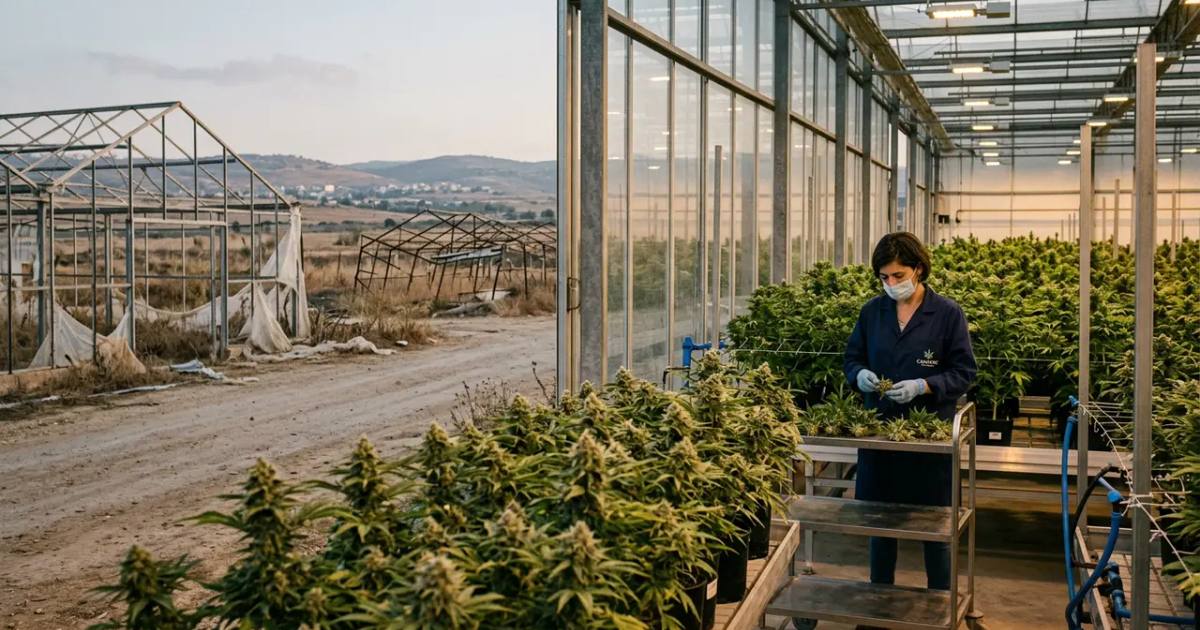
Much of this activity concentrates in a small number of named industrial parks. Barkan Industrial Park, founded in 1982 roughly 25 kilometers east of Tel Aviv, houses 146 factories spanning plastics, metals, food processing, and textiles, according to The Olam's own mapping of the park. Mishor Adumim, established in 1998 adjacent to Ma'ale Adumim, holds more than 400 registered businesses across 1.55 square kilometers, per Israeli planning records. Sixteen such industrial zones operate across the West Bank and East Jerusalem in total, covering roughly 1,000 industrial plants, a figure Wikipedia's settlement entry attributes to reporting by the New York Times' Jodi Rudoren.
What Does Europe Buy From the Settlements?
Israel exports roughly $2 billion in goods to the UK annually. Britain imported £24.7 million in Israeli dates in 2024, representing 32% of total UK date imports and the fastest-growing date origin in the British market, according to the consumer research group Ethical Consumer, which cites UK trade figures. Israel supplies roughly half the global Medjool date market, and the Jordan Valley, spanning both sides of the Green Line, is the main growing region.
The settlement economy specifically exports $280 to 300 million a year to international markets, per UNCTAD trade data reported in The Olam's mapping of the region's industrial base. Named brands reaching European shelves include Hadiklaim dates, Carmel oranges, and Jordan River Herbs, according to a 2026 investigation by the Brussels-based advocacy group CIDSE and the Israeli research center Who Profits, republished by EUobserver. The same reporting found Psagot, Shiloh, and Zion wines from West Bank vineyards, plus Golan Heights and Tishri wines from the annexed Syrian Golan, moving through the same retail channels. Total EU-Israel goods trade reached €43.3 billion in 2025, according to the same CIDSE reporting, though the European Commission did not respond to CIDSE's request for a settlement-specific breakdown of that figure. Investigative reporting compiled by Middle East Monitor cites industry figures suggesting roughly 75% of dates exported from Israel to Europe may originate in West Bank plantations rather than inside the pre-1967 lines.
Could the Ban Collide With the UK's Own Contracts?
The new designation powers targeting companies that "support, facilitate or profit from" settlement activity raise a question the government hasn't yet answered: what happens when such a company also holds UK public contracts? A separate Al Jazeera investigation published in late August found more than £2.1 billion in UK public-sector contracts awarded to 17 companies and entities linked to Israeli settlements, with Motorola Solutions, through its British subsidiary Airwave Solutions, accounting for over £1.7 billion of that total, the bulk of it a Home Office contract for the secure communications network used by police, fire, and ambulance services across England, Scotland, and Wales. Other identified contracts traced to corporate groups including Heidelberg Materials, Egis, CAF, and Fosun. The government has not said whether it is reviewing its own contractors for settlement links, or what would happen to existing contracts if a linked company were designated under the new powers.
Why Do Israeli Politicians Spanning the Spectrum Call This Antisemitic?
Israeli Foreign Minister Gideon Sa'ar called Britain's move a "disgraceful antisemitic step" and announced Israel would close its Jerusalem consulate in response, adding that settlers "will not" be forced out of Judea and Samaria. That framing has a five-year history that spans Israel's political spectrum. When Ben & Jerry's announced in July 2021 that it would stop selling ice cream in the Occupied Palestinian Territories, then-Foreign Minister Yair Lapid, founder of the centrist Yesh Atid party, called the decision a surrender to antisemitism and BDS, and then-Prime Minister Naftali Bennett personally called Unilever's CEO to protest.
The same framing has resurfaced in Israeli domestic politics too. In May 2026, Bennett, by then out of office, accused Prime Minister Benjamin Netanyahu's own government of shamefully surrendering to the BDS movement after a Carrefour supermarket subsidy program in Israel excluded settlement branches, according to Haaretz reporting on the dispute. Not every Israeli group opposed the British move: Peace Now welcomed the ban, saying it "is good that Britain and other countries make the necessary distinction between sovereign Israel and the settlement and outpost enterprise beyond the green line."
Which Named Companies and Institutions Are Actually at Stake?
Beyond the industrial parks, specific named businesses illustrate what the ban would touch as enforcement develops. Rami Levy, the TASE-listed retailer, operates superstores directly inside Sha'ar Binyamin, Mishor Adumim, and Gush Etzion, serving Israeli and Palestinian shoppers in the same aisles, according to The Olam's profile of the chain. Bank Leumi has provided financing tied to settlement infrastructure, including mortgages for real estate development in the Barkan Industrial Zone between 2012 and 2025, according to the watchdog research group Who Profits.
Roughly 30,000 to 35,000 Palestinians held work permits in settlement industrial zones before October 7, 2023, earning wages the World Bank and COGAT put at 28% of total Palestinian GDP when combined with Israel-proper wages. That labor dependency is one reason some economists have warned a blanket ban could hurt Palestinian workers alongside Israeli ones. UK Lawyers for Israel has separately disputed the ban's legal basis, arguing in a briefing paper sent to Miliband and the Foreign Office's legal adviser that it could breach the UK-Israel Trade and Partnership Agreement, GATT, and GATS. Spain and Ireland already had total settlement trade bans in place before the UK's announcement, and a Dutch decree banning import, purchase, and sale of settlement goods, with potential criminal penalties, takes full legal effect September 22, 2026.
For a fuller sector-by-sector accounting of the settlement economy, including the 1,000-plus factories and $300 million agriculture sector at stake, see the $30 billion settlement economy. The small-business layer beneath the industrial parks, more than 3,500 family-run operations, is profiled in the Dapei Katom directory. Rami Levy's settlement footprint is covered in The Olam's profile of the chain.
Frequently Asked Questions
Has the UK actually banned settlement goods, or is this still pending?
The ban took effect as a policy announcement on September 8, 2026. The underlying legislation needed to formally prohibit imports is expected to take six to nine months to come into force.
How much UK trade does the ban cover?
The government hasn't published a settlement-specific figure. The closest available proxy, UK-Palestine goods trade, totaled just £6 million over the latest four quarters, versus roughly £6 billion in total UK-Israel trade, meaning the ban could affect at most about 0.1% of that broader trade relationship.
Does the ban cover services or UK exports to settlements?
Not in this initial measure. The ban covers imports of settlement-origin goods. Services connected to settlements, such as financing, insurance, logistics, and legal work, are addressed through new sanctions-designation powers rather than an outright ban, and UK goods exported to settlements aren't covered at all.
What settlement products actually reach UK and European shelves?
Hadiklaim dates, Carmel oranges, Jordan River Herbs, and Psagot, Shiloh, and Zion wines, according to a 2026 CIDSE and Who Profits investigation republished by EUobserver. AHAVA Dead Sea cosmetics have been shipped under a UN-documented settlement-company listing, per a February 2026 Al Jazeera shipping-records investigation.
How did Israel respond?
Foreign Minister Gideon Sa'ar called the move a "disgraceful antisemitic step" and announced Israel would close its consulate in Jerusalem to Britain in retaliation.
Have Israeli politicians called similar bans antisemitic before?
Yes. Yair Lapid and Naftali Bennett both used the term after Ben & Jerry's 2021 settlement sales ban, and Bennett used similar language against Netanyahu's own government in 2026 over a supermarket subsidy exclusion.
Does Israel's GDP include the settlement economy?
Yes. Israel's Central Bureau of Statistics measures GDP to include Jewish localities in Judea and Samaria, complicating any bright line a foreign ban needs to draw.
How we report: Olam stories draw on public filings, company disclosures and named sources, checked by our editors. Read our methodology · Corrections