
Azerbaijan runs a $5 billion Israeli defense relationship built on oil-for-weapons logic, anchored by LORA missiles and Harop loitering munitions.
Azerbaijan has built one of Israel's largest defense-export relationships outside NATO, anchored by a $5 billion agreement disclosed in 2016 covering LORA ballistic missiles, Harop loitering munitions, and Hermes 900 surveillance drones. Israeli equipment made up the majority of Azerbaijan's arms imports during its 2020 Nagorno-Karabakh campaign, and the relationship runs on a strategic exchange: Azerbaijani oil for Israeli weapons.
What is the strategic logic behind Israel's relationship with Azerbaijan?
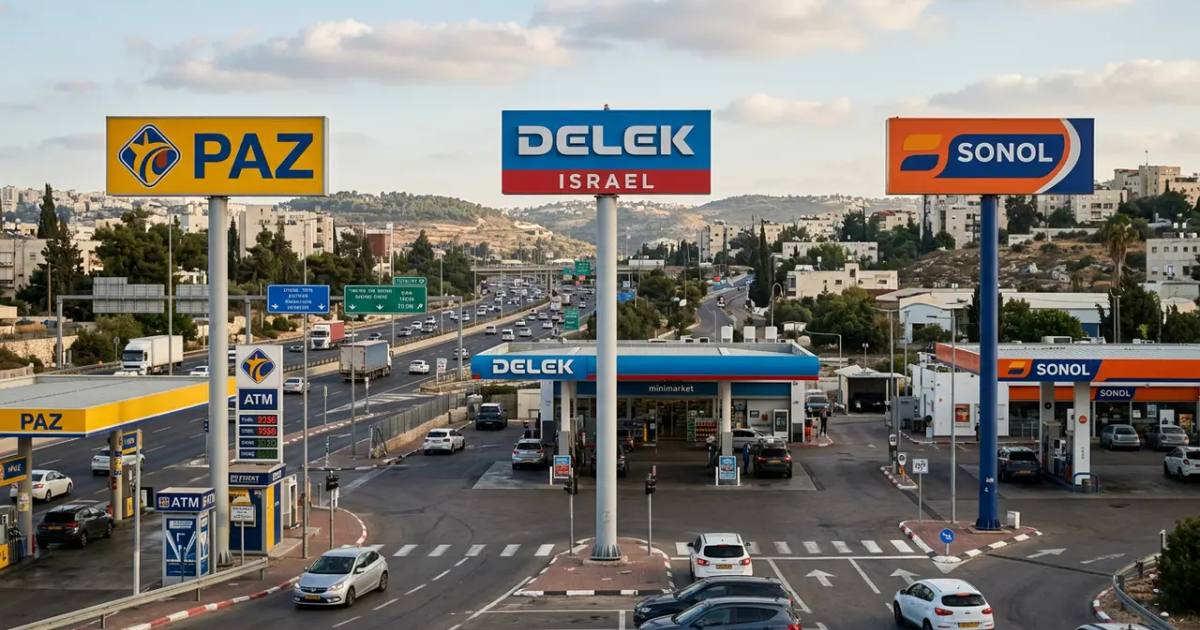
Azerbaijan supplies at least 40 percent of Israel's oil needs, a flow that runs through a pipeline via the Turkish transport hub of Ceyhan established in the late 1990s specifically to bypass Iranian territory. Arkady Milman, Israel's former ambassador to Azerbaijan, has described the relationship to the Associated Press as a strategic partnership built around containing Iran, a shared concern given Azerbaijan's Shiite-majority population and its historically tense relationship with Tehran. Israeli Defense Minister Yoav Gallant visited Baku in July 2023, praising military cooperation and what he called a joint fight against terrorism.
The energy relationship has since deepened beyond oil supply into direct equity. Azerbaijan's state oil company SOCAR acquired a 10 percent stake in Israel's Tamar gas field from Israeli businessman Aaron Frenkel's Union Energy, a deal Times of Israel reported and which The Media Line valued at approximately $510 million when it closed in June 2025, marking SOCAR's first-ever upstream investment in the Mediterranean. Tamar supplies roughly 70 percent of Israel's electricity generation, and SOCAR has since expanded into LNG trading to Egypt, exploration rights in a new licensing zone north of Tamar alongside BP, and gas-swap arrangements reaching as far as Syria through Turkish pipeline links. Israeli energy security analyst Elai Rettig of Bar-Ilan University's Begin-Sadat Center has described the pattern, in the same Media Line report, as SOCAR positioning itself as a buffer supplier that Egypt and Jordan can draw on whenever Israeli gas exports are disrupted, which happened three times in the two years following October 2023, including a 32-day shutdown of the Leviathan and Karish fields during the Israel-Iran war.
What weapons has Israel sold to Azerbaijan since 2016?
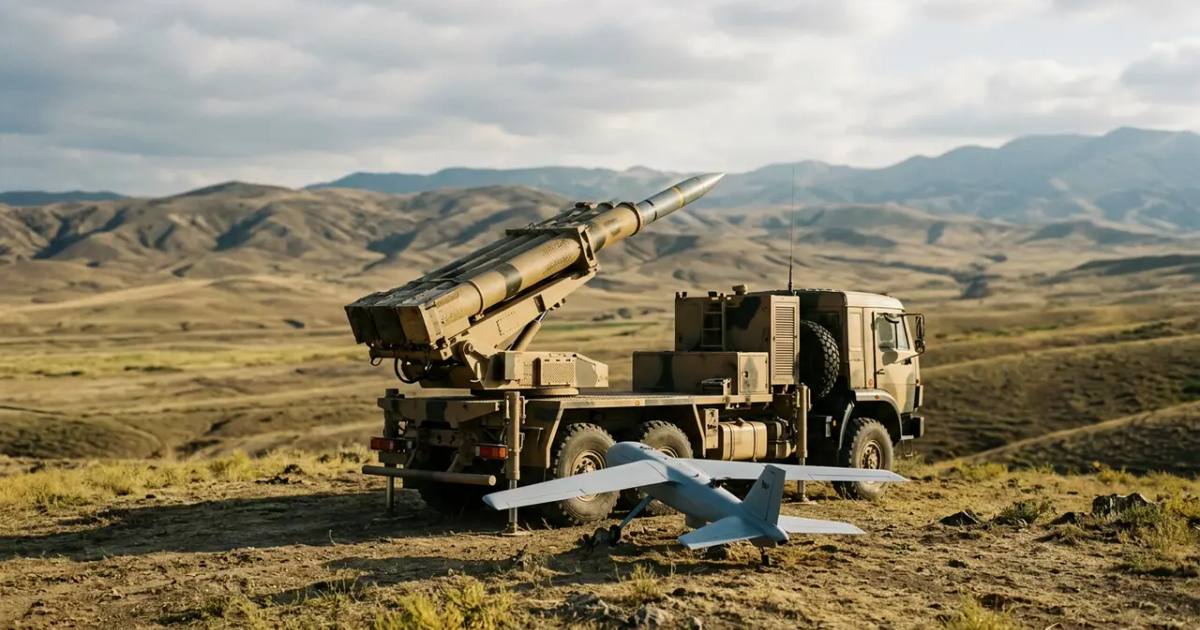
Azerbaijani President Ilham Aliyev disclosed in 2016, during a visit by Israeli Prime Minister Benjamin Netanyahu, that the two countries had signed contracts worth approximately $5 billion in what Aliyev termed defensive equipment, Times of Israel reported from the Baku press conference. Azerbaijan purchased LORA ballistic missiles from Israel Aerospace Industries starting in 2017, a system with a range of 430 kilometers according to CSIS's Missile Threat project, and inaugurated a base for the missiles in 2018 positioned roughly 430 kilometers from Armenia's capital, Yerevan. The same year, Azerbaijan acquired Hermes 900 surveillance drones from Elbit Systems.
Azerbaijan's arsenal also includes IAI's Harop loitering munition, a system sometimes described as a suicide drone that circles a target area before diving into it, and Elbit's SkyStriker kamikaze drones, with an additional 250 units purchased in 2022. Other confirmed Israeli platforms in Azerbaijani service include Spike-ER anti-tank missiles and Sky Capture radar systems.
What role did Israeli weapons play in the 2020 Nagorno-Karabakh war?
Israeli-made drones and missiles featured prominently in Azerbaijan's 44-day war against Armenian forces in Nagorno-Karabakh in 2020, according to CNN reporting that documented Harop loitering munitions in combat use. Leonid Nersisyan, a defense analyst at the Armenia-based Applied Policy Research Institute, told CNN that drones alone did not decide the conflict, noting that other systems, including LORA missiles, played significant roles as well. A former Artsakh Defense Army officer told CNN he witnessed a LORA missile strike near an electrical substation in Stepanakert in October 2020, describing the crater left by the impact.
When Azerbaijan retook the remainder of Nagorno-Karabakh in a 24-hour offensive in September 2023, flight-tracking data reviewed by the Associated Press showed Azerbaijani military cargo planes repeatedly flying between a southern Israeli airbase and an airfield near the region in the weeks beforehand. More than 100,000 ethnic Armenians fled the territory following the offensive. Israel's foreign and defense ministries declined to comment on the use of Israeli weapons in the operation or on Armenian government concerns about the military relationship.
How has the relationship been received internationally?
The 2020 and 2023 operations drew sharp criticism from Armenian officials and some Israeli commentators, including a Haaretz editorial that argued Israeli equipment bore direct responsibility for civilian displacement in Nagorno-Karabakh. Azerbaijani officials have taken a different view, with the country's defense minister describing an Israeli-made Aeronautics Group drone in 2016 as a significant deterrent against Armenian forces. The divergence in framing reflects the underlying dispute over the territory itself rather than a disagreement about which weapons were used, both sides agree Israeli systems were present in large numbers.
What comes next for Israel-Azerbaijan defense ties?
With Iran remaining a shared strategic concern for both governments and Azerbaijani oil continuing to flow to Israel through the Ceyhan pipeline, the defense relationship shows no sign of contracting. Azerbaijan has diversified some procurement toward other suppliers, including Belarus and Turkey, since 2020, but Israeli systems including LORA, Harop, and Hermes 900 remain part of its confirmed inventory, and no public reporting indicates Israel has curtailed sales to Baku since the 2023 offensive.
How does Azerbaijan's Israeli drone fleet compare to other operators?
Azerbaijan's Hermes 900, built by Elbit Systems, is the same medium-altitude, long-endurance platform Elbit has sold to more than 20 customers worldwide, including the Swiss Air Force and the Philippine Air Force, and it entered Israeli Air Force service in November 2015 following combat use the previous year. Azerbaijan was an early foreign buyer, with local media first reporting the procurement in August 2017 and the government confirming roughly 15 units the following year. The LORA missile and Harop loitering munition Azerbaijan fields both trace to Israel Aerospace Industries, the same state-owned prime that supplies Arrow interceptors to Israel's own air defense stack and Barak MX systems to NATO members including Cyprus, Greece, Slovakia, and Morocco, underscoring that Azerbaijan draws from the identical Israeli industrial base supplying Israel's Western allies rather than a separate, lower-tier export channel.
Sources
CNN, "As Azerbaijan claims final victory in Nagorno Karabakh, arms trade with Israel comes under scrutiny" (Oct. 2023); Times of Israel, Associated Press wire report on flight-tracking data and the Milman/Gallant details (Oct. 2023); Haaretz Editorial, "Israel's Fingerprints Are All Over the Ethnic Cleansing in Nagorno-Karabakh" (Sept. 2023); Times of Israel, coverage of the 2016 Netanyahu-Aliyev Baku press conference; Times of Israel, SOCAR's Tamar stake acquisition (Feb. 2025); The Media Line, "Azerbaijan Becomes Israel's Gas Buffer," including the Elai Rettig/Begin-Sadat Center analysis; CSIS Missile Threat project, LORA missile specifications.
How we report: Olam stories draw on public filings, company disclosures and named sources, checked by our editors. Read our methodology · Corrections