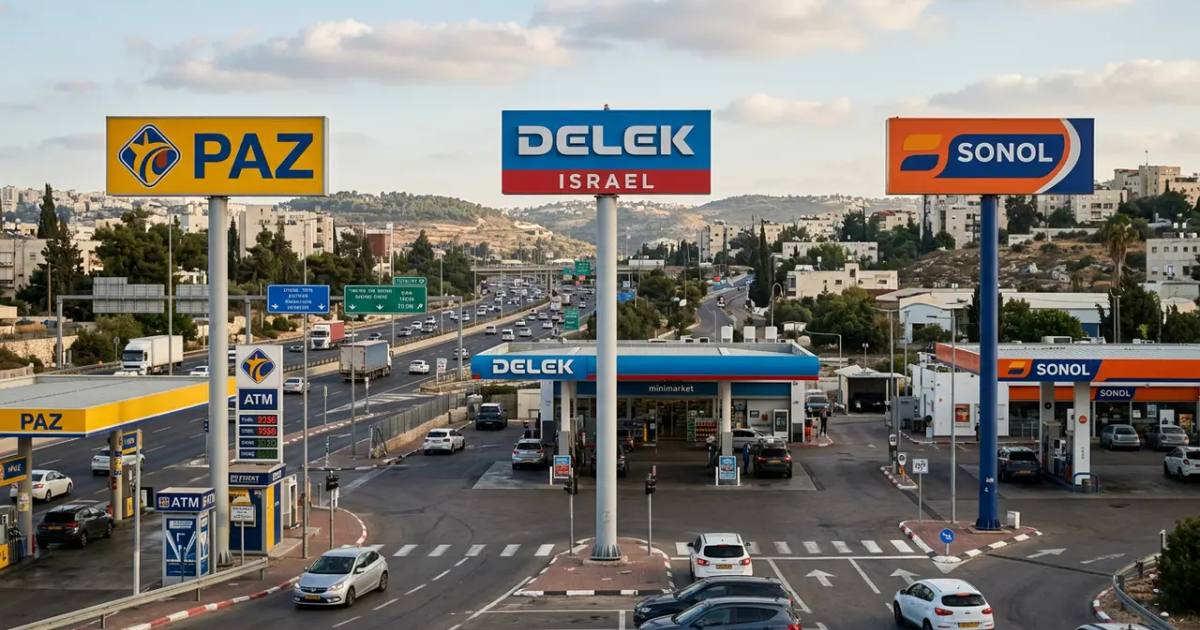

Xero closed its $2.5 billion upfront purchase of Melio on October 15, 2025, and the Bank of Israel connected Grow Payments and two other nonbank firms to the core payment systems on August 19, 2024. The map of Israeli fintech deals, rails and listings.
Israeli fintech in 2026 is defined by two shifts: foreign buyers paying billions for Israeli-founded companies, and a payments system opened to nonbanks. Xero completed its $2.5 billion upfront purchase of Melio on October 15, 2025. On August 19, 2024, the Bank of Israel announced that Grow Payments and two other nonbank firms had begun operating on the country's core payment infrastructure.
What did foreign buyers pay for Israeli fintech in 2025?
Foreign acquirers bought two of the best-known Israeli-linked fintech names in 2025: Xero bought Melio, and ERGO, the primary insurer of Munich Re, bought Next Insurance. Xero announced completion of the Melio deal on October 15, 2025, with $2.5 billion paid upfront and up to $500 million more payable over three years. ERGO's announcement says the Next Insurance agreement was signed on March 20, 2025, at a $2.6 billion valuation for 100% of the shares.
| Company | Buyer | Price | Date |
|---|---|---|---|
| Melio (Israeli-founded SMB payments) | Xero | $2.5 billion upfront, up to $500 million deferred | Completed October 15, 2025 |
| Next Insurance (Palo Alto small business insurer) | ERGO (Munich Re) | $2.6 billion valuation | Signed March 20, 2025 |
How did the Bank of Israel open payment rails to nonbanks?
The Bank of Israel opened the payment system to nonbanks in steps between 2023 and 2024, and the first three nonbank firms went live on August 19, 2024. The bank's press release lists the goals as more competition, lower costs, and less dependence on the banking system. Grow Payments was one of the three firms connected to the ZAHAV, SHVA and MASAV systems.
| Date | Bank of Israel step | What changed for nonbanks |
|---|---|---|
| June 21, 2023 | Payment Systems Access Guide published | Fintech firms got a written path to join the core payment systems |
| November 19, 2023 | First identification codes issued to nonbanks | Grow Payments received code 35, and foreign acquirers licensed in the US, EU or UK could start joining SHVA |
| August 19, 2024 | Three nonbank firms went live | Grow Payments and two other firms began operating on the core infrastructure |
Calcalist reported that Grow later passed 100,000 business customers and more than NIS 6 billion in annual payment volume. Olam's coverage of that cohort starts with the Cal and Grow deal report.
Did Cal agree to buy Grow Payments?
Globes reported that Cal, an Israeli credit card company, was in talks to buy Grow Payments for about NIS 200 million. Grow was called Meshulam Payment Solutions before its 2023 rebrand, and it sells business accounts together with card acquiring on one platform. Treat the price as a press report until Cal or Grow confirms a signed agreement.
Olam covers the transaction in English and in Hebrew, in the English deal report and the Hebrew edition.
Which Israeli fintech companies trade on Nasdaq?
Payoneer, Global-e, Lemonade and Pagaya are Israeli-linked fintech and insurtech companies that trade on Nasdaq. Rapyd is not on this list because it is still a private company. The Israeli Fintech Index for Q1 2026 tracks the listed and private names together.
For the AI-driven side of the sector, the Israeli AI application map covers Pagaya and the fraud and identity companies.
What did the Wiz sale set as the Israeli tech exit benchmark?
Google completed its all-cash $32 billion acquisition of Wiz on March 11, 2026, the largest exit in Israeli tech history. Google had offered $23 billion in 2024, and Wiz rejected it. Wiz is a cloud security company, so fintech comparisons belong with the Melio and Next Insurance prices above.
The founders behind the sale are profiled in the four operators behind Wiz, and the cyber-sector context sits in the $57 billion Wiz and CyberArk year.
Where does Israeli fintech expand outside Israel?
Olam's Abraham Accords trade corridors report covers Bahrain fintech, Morocco defense and UAE agritech as three Accords-era growth routes. The Abraham Accords trade corridors report is the starting point for Gulf expansion. Broader trade routes sit in Israel's global trade corridors map.
What should readers track next in Israeli fintech?
Track three items: whether the Cal and Grow talks become a signed deal, how many more nonbank firms the Bank of Israel connects to ZAHAV, SHVA and MASAV, and the next Israeli fintech sale or listing after Melio and Next Insurance. Investors comparing funds that back this sector can start with the Israeli VC fund directory. Readers who want the wider economy can continue to the Israeli economy overview.
How we report: Olam stories draw on public filings, company disclosures and named sources, checked by our editors. Read our methodology · Corrections