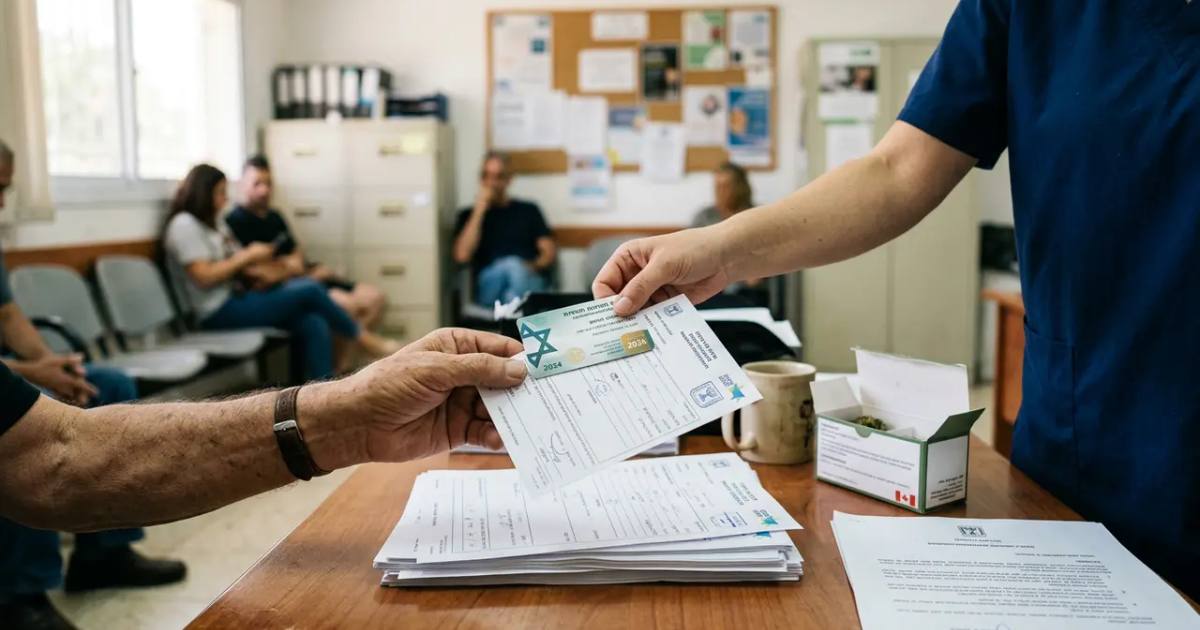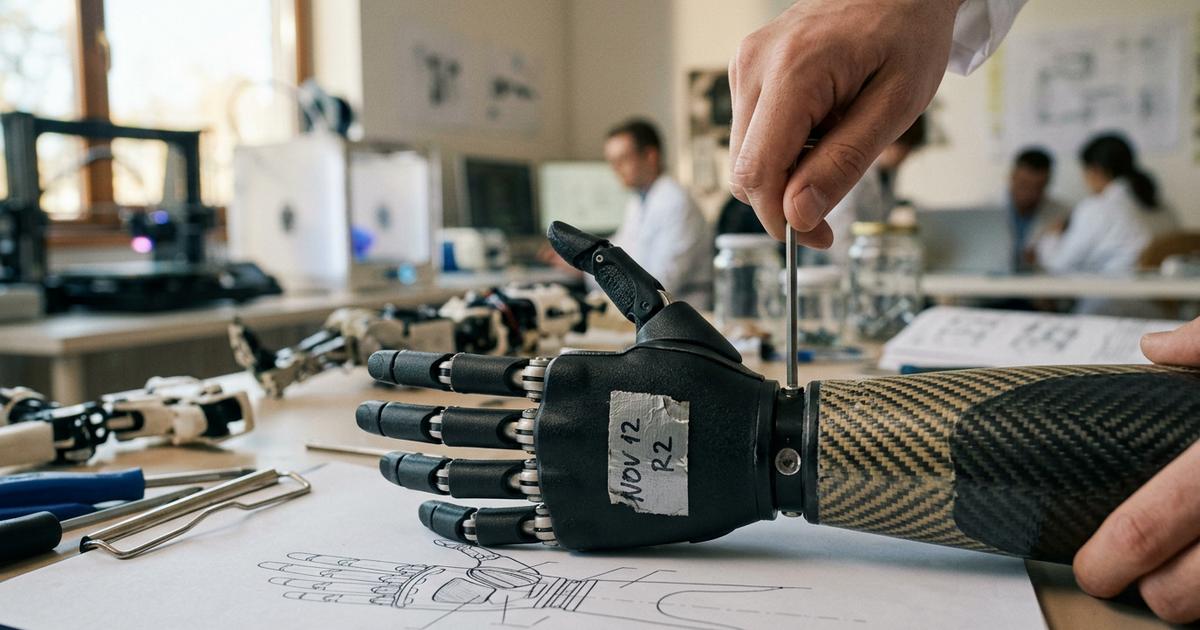

The October 7 attacks and the subsequent war produced an unprecedented mass-casualty medical environment in Israel. The accelerated procedures, the prosthetics surge, the PTSD treatment pipeline, and the institutional research programs that emerged.
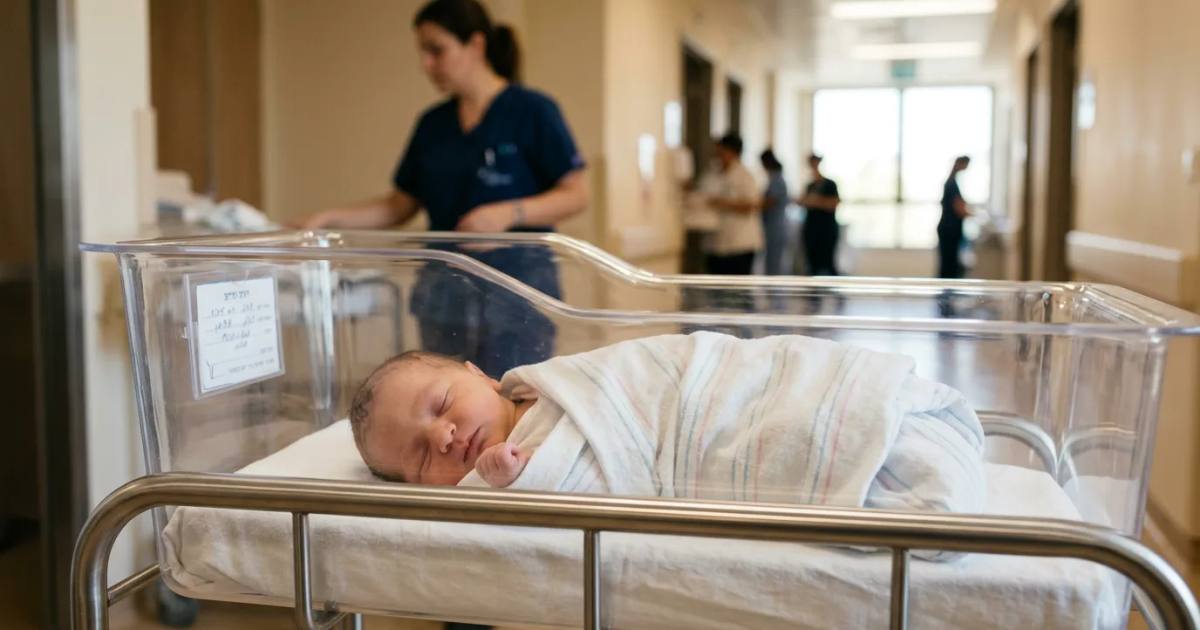
The October 7, 2023 Hamas attack and the subsequent multi-front war produced the largest mass-casualty environment Israel has experienced since the Yom Kippur War of 1973. The Israeli civilian and military medical systems absorbed thousands of trauma cases — gunshot wounds, blast injuries, severe burns, amputations, psychological trauma at scale — and adapted institutional procedures, research programs, and innovation cycles in response.
The post-October 7 medical environment is not characterized by individual breakthrough technologies. It is characterized by accelerated translation — the compression of timelines between experimental procedure and standardized protocol that becomes possible when an entire national health system is operating at trauma-response capacity for a sustained period.
How Did the Trauma Surgery Surge Unfold?
Sheba Medical Center, Hadassah Hospital, Soroka Medical Center, Ichilov, Rambam, and Beilinson absorbed the bulk of the wounded across the multi-month acute phase. Soroka, the only Level 1 trauma center in the south, became the central node for casualties evacuated from the Gaza envelope and the southern front. Sheba and Hadassah anchored the Tel Aviv–Jerusalem corridor.
The procedural innovations were largely organizational: tiered triage protocols adapted to sustained mass-casualty intake, blood-product logistics restructured for the post-Iron Swords operational tempo, and resident-physician rotation cycles modified to enable continuous trauma operating capacity. The Israel Defense Forces Medical Corps's whole-blood field transfusion protocols — already advanced relative to NATO standards — saw further refinement under combat conditions and have been published in peer-reviewed surgical literature.
What Changed in Prosthetics and Rehabilitation?
The Israeli amputee population grew significantly in the eighteen months following October 7. Sheba's Department of Orthopedic Rehabilitation, Beit Halochem (Zahal Disabled Veterans Organization rehabilitation centers in Tel Aviv, Jerusalem, Haifa, and Be'er Sheva), and the IDF Medical Corps coordinated on what became a structurally expanded national prosthetics program.
The procurement and fitting cycle compressed. Standard waiting times for advanced osseointegrated prosthetics and microprocessor-controlled limbs — historically eighteen to thirty-six months in many Western health systems — were compressed in Israel to weeks for combat-injured patients. The Israeli company ReWalk Robotics, while not directly a beneficiary of the procurement surge, operates in the same ecosystem of Israeli rehabilitation technology that has been a quiet category strength for two decades.
What Is the PTSD and Psychiatric Pipeline?
The mental health caseload is the most structurally important medical outcome of the period. Hundreds of thousands of Israelis — IDF reservists, displaced southern and northern residents, October 7 survivors, hostage families, returning hostages — entered the mental health system in the eighteen months following the attacks. The Ministry of Health and the IDF Mental Health Department expanded provider capacity substantially.
The caseload is not evenly distributed across units. Duvdevan, the undercover IDF unit that inspired Fauda, reports producing more PTSD cases than any other IDF unit, a function of how often its soldiers move between undercover operations and ordinary civilian life; its US-based charitable foundation now funds dedicated resilience and trauma-treatment programs for the unit's veterans.
Israeli research on MDMA-assisted psychotherapy for PTSD — long pioneered by groups including the Multidisciplinary Association for Psychedelic Studies (MAPS) with Israeli clinical trial sites — became operationally relevant. Israel was among the first national health systems to consider expanded compassionate-use frameworks for advanced PTSD treatment in light of the post-October 7 patient load. The regulatory pathway remains unresolved, but the institutional posture has shifted.
What Protocols Exist for Returning Hostages?
The medical reintegration of returning hostages produced a category of clinical protocol that did not previously exist at scale. Sheba's Hostage Recovery Unit and Schneider Children's Medical Center developed phased physical, nutritional, psychological, and neurological reintegration protocols for hostages held for periods ranging from weeks to over a year, often in conditions of severe malnutrition, sensory deprivation, and physical and psychological abuse.
The protocols — published in part through Israeli medical literature and shared with international counterparts — represent a clinical contribution unique to the Israeli case. They will inform any future mass-hostage recovery medical response globally.
Which Institutions Drive the Research Environment?
The post-October 7 environment has produced a research output pipeline at Hadasit (the Hadassah technology transfer arm), Sheba's ARC innovation center, and the Weizmann Institute's clinical research divisions that is unusually concentrated on trauma surgery, hemorrhage control, peripheral nerve regeneration, and post-traumatic neurological reconstruction. The translational pathway is compressed because the patient population, the clinical setting, the research apparatus, and the regulatory architecture are all geographically and institutionally proximate.
The output is real. The cost is also real. The Israeli medical system absorbed a sustained operational load that has produced clinical advances alongside structural strain — physician burnout, mental health workforce capacity limits, and a generational increase in the disabled veteran population. The innovation environment is a function of both.
What it means for the medical-tech sector
For the Israeli medical technology investor and operator population, the period has produced an unusually concentrated clinical evidence base in trauma care, rehabilitation, prosthetics, and PTSD treatment. The downstream commercial implications — for companies including Insightec, K Health, CytoReason, Pulse Biosciences-adjacent Israeli portfolios, and the broader Israeli digital health stack — will be visible across the 2026–2028 cycle as clinical data matures into regulatory submissions and product launches.
The innovation environment is not a positive outcome of a tragedy. It is a structural consequence of one. More coverage of the sector is collected under Israeli health and biotech, and U.S. fundraising for Ichilov is profiled in Friends of Tel Aviv Sourasky Medical Center: who funds it.
FAQ
What made the post-October 7 medical environment different?
According to Olam's overview, it is the largest mass-casualty environment Israel has experienced since the Yom Kippur War of 1973, and it compressed the timeline between experimental procedure and standardized protocol. These characterizations are Olam's own and are not independently sourced on this page.
Which hospitals absorbed the wounded?
Sheba, Hadassah, Soroka, Ichilov, Rambam and Beilinson absorbed most of the wounded. Soroka, described as the only Level 1 trauma center in the south, became the central node for casualties from the Gaza envelope. This is Olam's account and is not independently sourced here.
What does the period mean for Israeli medical technology?
Olam expects the clinical evidence base in trauma care, rehabilitation, prosthetics and PTSD treatment to feed regulatory submissions and product launches across 2026 to 2028. This is an expectation, not a confirmed forecast.
How we report: Olam stories draw on public filings, company disclosures and named sources, checked by our editors. Read our methodology · Corrections