
One-third of new olim are 18 to 35. Doctors, engineers, entrepreneurs, lone soldiers. The cohort moving in response to a rupture in Western Jewish identity — and the one that will define Israel's institutional future.
One-third of new olim are 18 to 35. Doctors, engineers, entrepreneurs, lone soldiers. The cohort moving in response to a rupture in Western Jewish identity — and the one that will define Israel's institutional future for the next 30 years.
Demographic shifts visible in real time are rare. Israel is experiencing one.
Roughly one-third of all 2024-2025 olim were aged 18 to 35 — the largest concentration in this age band the Aliyah and Integration Ministry has recorded in a decade. They are younger, more educated, more professionally specialized, and more financially capable than the post-Soviet wave of the late 2010s. They are also, by stated motivation, fundamentally different from their predecessors.
More than half of 2025 Nefesh B'Nefesh applicants cited solidarity with Israel since October 7 as their central reason for making aliyah. This is a solidarity-driven generation — building, not fleeing. The distinction matters for how the cohort buys, builds, and roots in Israel.
The Campus Rupture
The 18-35 cohort is shaped by a specific environment. The Anti-Defamation League tracked 1,694 antisemitic incidents on US college campuses in 2024, the highest in the audit's history. The figure declined to 583 in 2025 under federal pressure on universities, but remained nearly three times the pre-2023 baseline.
The campus protest period of 2023-2024 fundamentally reshaped Jewish student life on dozens of major US universities. Hillel operations, Chabad on Campus presence, Greek life, and the experience of dual-national IDF service members all became contested. For a young Jewish American or Canadian, university was no longer a neutral environment for identity formation. For many in this cohort, that experience was the catalyst.
Comparable patterns appeared in the United Kingdom, France, and Australia. UK universities documented sustained pressure on Jewish societies through 2024-2025. French university campuses absorbed extended periods of pro-Palestinian mobilization that intersected with French communal life. Across all four countries, Jewish students reported the same pattern: an identity decision made earlier than parents made theirs.
The Solidarity Driver
What separates this cohort from the post-Soviet immigrant generation is response, not just motivation. Post-Soviet olim of the 1990s arrived as refugees fleeing collapsing systems. Post-October 7 olim, particularly the Western cohort, arrive as participants in a Jewish national response to the worst single-day attack on Jews since 1945.
ADL chief executive Jonathan Greenblatt described 2025 as one of the most violent years for American Jews on record — 203 physical assaults, two killings outside the Capital Jewish Museum in Washington, an 82-year-old killed in the Boulder firebombing. The cohort that absorbed these events as part of its formation is now moving to Israel with a different relationship to Zionism than any prior Western immigrant wave.
The Professional Composition
The 2024-2025 cohort skews toward four professional clusters.
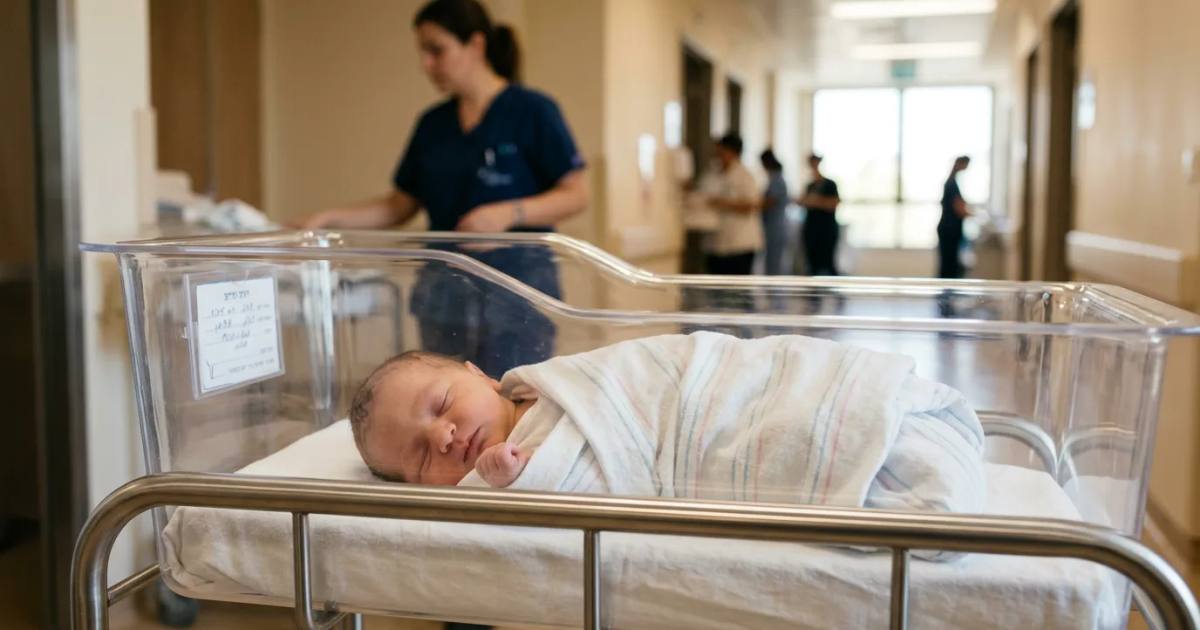
Medicine. The International Medical Aliyah Program brought 541 doctors to Israel in 2025 — up from 519 in 2024 — with 93 of them coming from North America. The program is run jointly by Nefesh B'Nefesh, the Aliyah and Integration Ministry, the Jewish Agency, the Ministry of Health, and the Council for Higher Education. Israel has a documented physician shortage; the medical olim are filling it directly. The olim tax framework gives them a decade of foreign passive income exemption on top of an Israeli medical career.
Technology. Engineers, software developers, and AI specialists make up a substantial share of the Western aliyah cohort. Many continue to work remotely for US, UK, or French employers — enabled by the ten-year foreign-income exemption in Israeli tax law. The dual-life model (Israel residency, foreign income) has become a standard pattern, with Tel Aviv, Ra'anana, and Herzliya absorbing the largest concentrations.
Entrepreneurship. The MATI organization, which mentors immigrant entrepreneurs through the Aliyah and Integration Ministry, reports rising demand. Founders arriving with existing US or European businesses retain them under foreign-company tax provisions and use the Israeli base to expand into Middle Eastern, European, or global markets. The post-Abraham Accords environment has opened additional regional opportunity for Israeli-based businesses operated by olim with diaspora networks.
Lone soldiers. A category of its own — young olim who make aliyah specifically to serve in the IDF, often without immediate family in Israel. The Lone Soldier Center, Garin Tzabar, and Nefesh B'Nefesh's lone soldier track process several hundred per year. Post-October 7, the lone soldier pipeline expanded substantially, with applications from North America, the UK, and Australia all rising. For this sub-cohort, military service is the structural entry point into Israeli life; subsequent professional integration follows from the IDF network.
Where They Settle
The young Western cohort distributes differently than the older family-driven flows. Tel Aviv-Jaffa absorbed 4,480 olim across the post-October 7 absorption year and remains the dominant city for secular and modern-religious young professionals. Jerusalem (2,260) draws the religious and academic segment. Modi'in-Maccabim-Re'ut serves the mid-career professional cluster.
Ra'anana, Herzliya, and Tel Aviv's northern neighborhoods (Ramat Aviv, north Tel Aviv) absorb the technology and finance segment. The lone soldier track distributes across the country — absorption centers and adoptive families place soldiers everywhere from Eilat to Kiryat Shmona. Notable: Be'er Sheva appeared in the top ten destinations for the first time in 2025. The southern desert city is absorbing both military-track olim and young professionals connecting to its Ben-Gurion University and adjacent national cyber and defense cluster ecosystems.
What They Build
The 2024-2025 olim cohort is being absorbed at the moment Israel reorganizes around AI, defense technology, expanded medical capacity, and post-war institutional rebuilding. They are founding companies, joining startups, taking hospital residencies, and entering the IDF career track at a moment of structural change. The implication is a 30-year demographic dividend: the current 18-35 olim will be Israel's 48-65-year-old senior professional class in 2055 — the cohort that will run hospitals, lead engineering teams, sit on boards, and structure cross-border deals.
Family formation is part of the story. The October 7 generation is forming households, having children, and rooting institutionally at an age and pace that previous Western olim cohorts did not consistently match.
What It Means
Generational shifts compound. The post-October 7 cohort is doing in 2024-2026 what the post-Yom Kippur and post-Six Day War immigrant cohorts did in their own eras — arriving in a moment of national reorganization and embedding into the institutional layer that will shape the next decades.
For firms positioning into the Israeli professional and consumer market, this cohort is the next 30 years of customer formation. For diaspora institutions — schools, federations, philanthropies — the same cohort represents the most significant outbound demographic relocation in modern American, British, and French Jewish life. The flow is finite, the timing is now, and the institutional decisions being made in 2026 will compound for a generation.
Part of the Olam Diaspora Economy cluster. Hub: Aliyah 2026: The Dollar Figure. Related: The American Aliyah Bet · The French Aliyah Bet · The Anglo Communities Map.
How we report: Olam stories draw on public filings, company disclosures and named sources, checked by our editors. Read our methodology · Corrections