
Sabon: founded 1997 on Shenkin Street, Tel Aviv. Built to 180 stores in 14 countries. Sold to France's Groupe Rocher in 2016 for €120M. Israel operations shuttering 2025.
Sabon is an Israeli-founded soap and bath products brand that grew from a single Tel Aviv shop into 180-plus stores across 14 countries. Founders Sigal Kotler-Levy and Avi Piatok sold a 66-67% stake to France's Groupe Rocher in 2016 for roughly €120 million ($129 million), and Rocher bought the remaining shares in 2018. In 2025, Rocher announced it would exit Israel entirely, closing Sabon's manufacturing plant, logistics center, and headquarters there and consolidating production in France.
How Did Sabon Start on Shenkin Street?
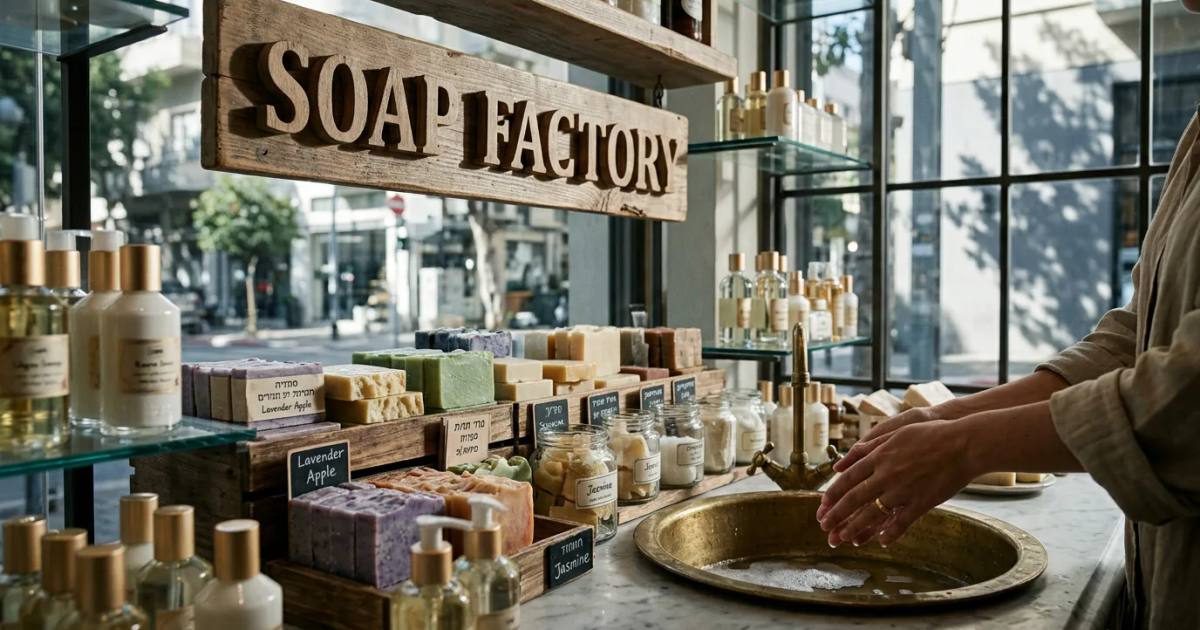
Sabon was founded in 1997 by Sigal Kotler-Levy and Avi Piatok, who opened a shop called Sabon Shel Pa'am on Tel Aviv's Shenkin Street selling handmade soap by weight. The store's rustic, natural-ingredients concept and distinctive scent built a loyal following, and the founders expanded the brand into a national Israeli chain before pushing into international markets, including an early store in New York City. Within two decades, Sabon had grown into an international bath-and-body brand operating roughly 180 stores across 14 countries with a workforce of about 1,000.
Why Did the Founders Sell to Groupe Rocher?
In December 2016, Kotler-Levy and Piatok agreed to sell a 66-67% stake in Sabon to Groupe Rocher, the French company behind Yves Rocher cosmetics and Petit Bateau, at a company valuation of roughly NIS 500 million ($129 million). The founders continued managing the business after the sale, and Groupe Rocher held an option to acquire the remainder, which it exercised in 2018 to take full ownership. Sabon framed the deal as a way to access Rocher's global resources and accelerate international expansion, including growth into new markets beyond its existing footprint. Sabon's foreign sale is one of several among Israeli beauty brands — see also AHAVA's sale to China's Fosun International.
Why Is Sabon Shutting Down Its Israeli Operations?
In 2025, Groupe Rocher announced a restructuring that would end Sabon's manufacturing and corporate presence in Israel. The company had operated dual production centers, one in France and one at a plant in Kiryat Gat, which Rocher said created costly duplication. Under the plan, Sabon's Kiryat Gat manufacturing plant and logistics center were slated for closure by mid-2026 (with the logistics center closing as early as October 2025), and its Israeli headquarters staff began transitioning operations to France starting in late 2025. The restructuring affected approximately 270 employees across headquarters, factory, logistics, and retail roles. Rocher was simultaneously divesting other non-core brands, including Petit Bateau and Stanhome, to sharpen its focus on beauty and well-being.
In August 2025, Rocher reached a five-year franchise agreement with Israeli retail group Golf (a subsidiary of Clal Industries) to take over operational control of Sabon's remaining 22 Israeli stores for NIS 6.5 million (about $1.9 million), with Golf absorbing the roughly 92 retail employees. The deal kept Sabon products available to Israeli shoppers under local franchise operation even as the brand's manufacturing and corporate presence exited the country. Sabon had shrunk from 43 Israeli branches at the time of the 2016 sale to 22 by 2025, losing ground domestically to competitor Laline (owned by Fox Group).
What Happens to Sabon Now?
Groupe Rocher is centralizing all Sabon manufacturing at its facilities in Brittany, France, and has said it will focus the brand's future growth on international markets, particularly Asia. Between 2019 and 2024, Sabon reportedly doubled its sales, with online sales accounting for about a quarter of revenue. The brand's roots and founding story remain Israeli, but its ownership, production, and headquarters have fully relocated to France.
Snapshot
| Founded | 1997, Shenkin Street, Tel Aviv |
|---|---|
| Founders | Sigal Kotler-Levy and Avi Piatok |
| Initial sale | 2016, 66-67% to Groupe Rocher for ~€120M ($129M) |
| Full acquisition | 2018, remaining stake bought by Groupe Rocher |
| Peak footprint | ~180 stores, 14 countries |
| Israel exit | Announced 2025; manufacturing/HQ closure by mid-2026 |
| Israeli retail continuity | 22 stores franchised to Golf Group (Clal Industries), 5-year deal, NIS 6.5M |
Frequently Asked Questions
Who owns Sabon?
France's Groupe Rocher has owned 100% of Sabon since 2018, after buying an initial 66-67% stake from Israeli founders Sigal Kotler-Levy and Avi Piatok in 2016.
Is Sabon still an Israeli company?
Sabon was founded in Israel in 1997, but it has been owned by a French company since 2018, and as of 2025-2026 its manufacturing, logistics, and headquarters are being relocated from Israel to France.
Why did Sabon close its Israel operations?
Groupe Rocher said maintaining separate production sites in France and Israel created costly duplication, and chose to consolidate all manufacturing at its facilities in Brittany, France.
Can I still buy Sabon products in Israel?
Yes. Israeli retail group Golf took over franchise operation of Sabon's 22 Israeli stores under a five-year agreement signed in 2025, keeping the brand available locally even after Rocher's manufacturing exit.
Olam Coverage
See the full Israeli Consumer Brands map for how Sabon compares to AHAVA, Hava Zingboim, and other Israeli-founded beauty and consumer companies.
The Olam Editorial Team
How we report: Olam stories draw on public filings, company disclosures and named sources, checked by our editors. Read our methodology · Corrections