
Japan is a top-five foreign investor in Israeli tech, with companies like Toyota and Sony active. 2022 opened a new dual-use defense-adjacent lane.
Part of: Israel's Global Trade Corridors — the complete map
Japan's relationship with Israel is one of the fastest-repositioning bilateral tech corridors in the OECD. For most of the postwar period, the Japanese-Israeli commercial line was thin — cultural distance, Japanese sensitivity to Arab boycott dynamics, and a Japanese corporate preference for U.S. and European technology partners kept the volume low. That posture reversed sharply after 2014, and again after 2022. Japan is now one of the top-five foreign investor countries into Israeli technology on a rolling three-year basis.
The pivot: 2014, then 2022
Two structural shifts drove the change. In 2014, Prime Minister Shinzo Abe's visit to Israel and the parallel Netanyahu visit to Tokyo produced a formal cooperation framework across cybersecurity, autonomous mobility, and healthcare — with commercial follow-through by Toyota, Sony, and NTT within eighteen months. In 2022, Russia's invasion of Ukraine forced Japanese corporates to accelerate every non-Chinese, non-Russian supply-chain diversification plan on the shelf. Israel, with its cyber depth and defense-adjacent dual-use manufacturing, moved from a peripheral option to a first-tier partner in Japanese board discussions.
The Japanese corporate book
Toyota operates a Tel Aviv-based R&D and venture activity via Toyota Tsusho, focused on autonomous mobility, sensors, and battery technology. Toyota AI Ventures has invested in multiple Israeli mobility companies. Sony acquired Israeli chip-design firms and operates image-sensor R&D in Israel. DENSO, one of the world's largest automotive suppliers, holds Israeli stakes across ADAS and autonomous systems. Mitsubishi and Sumitomo maintain venture and joint-venture positions across Israeli industrial AI and chemistry. SoftBank, through its Vision Fund, has been one of the single largest late-stage investors into Israeli technology globally. NTT — Nippon Telegraph and Telephone — has operated an Israeli innovation and R&D presence for over a decade, focused on cyber and networking.
The defense-tech angle
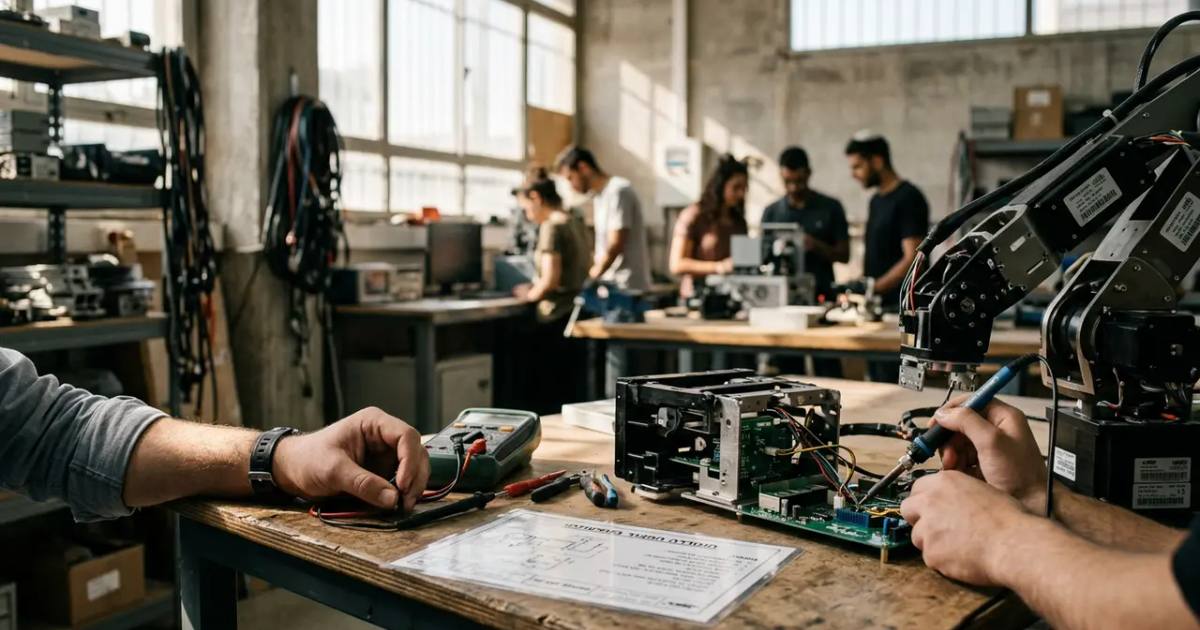
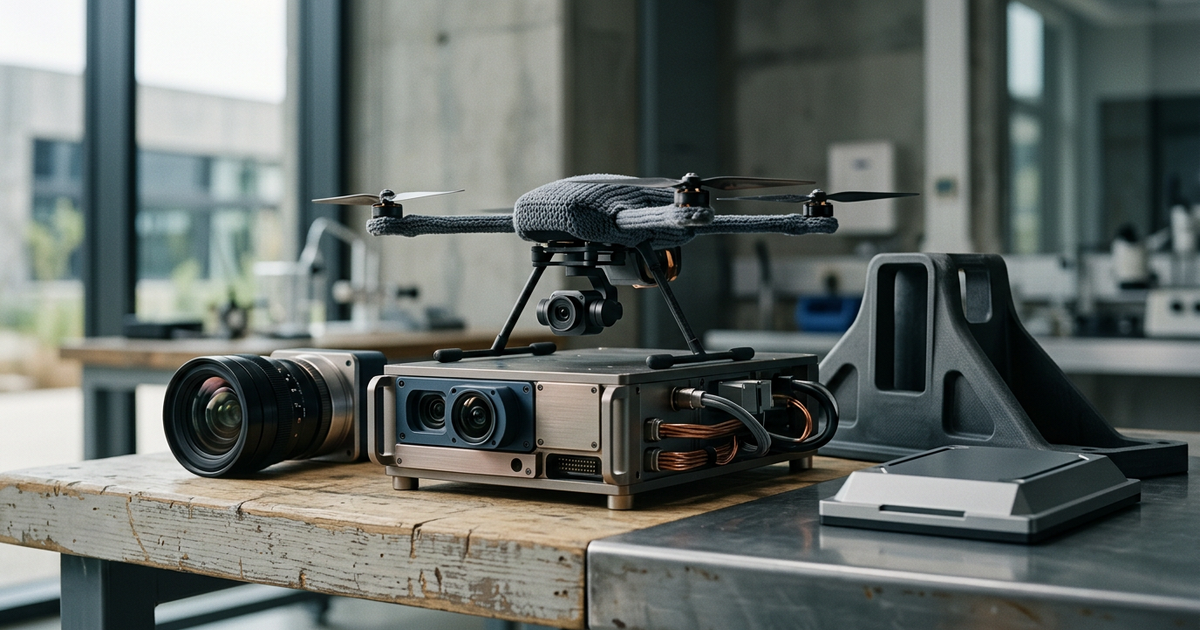
Japan's decision to lift its long-standing defense-export restrictions and to raise defense spending toward 2% of GDP by 2027 has produced a specific opening for Israeli defense-adjacent dual-use firms. Elbit Systems, IAI, Rafael, and the broader Israeli cyber-defense cohort are now serious counterparties for Japanese defense contractors — Mitsubishi Heavy Industries, IHI, Kawasaki Heavy Industries, NEC, and Fujitsu — in areas where Japanese domestic capability is thin: unmanned systems, ISR, electronic warfare, missile defense, and defensive cyber. The commercial packaging is typically dual-use — Japanese partners buy through civilian subsidiaries, Israeli suppliers structure through commercial entities — because both governments prefer the deals not read as defense in the press.
Cyber and semiconductors
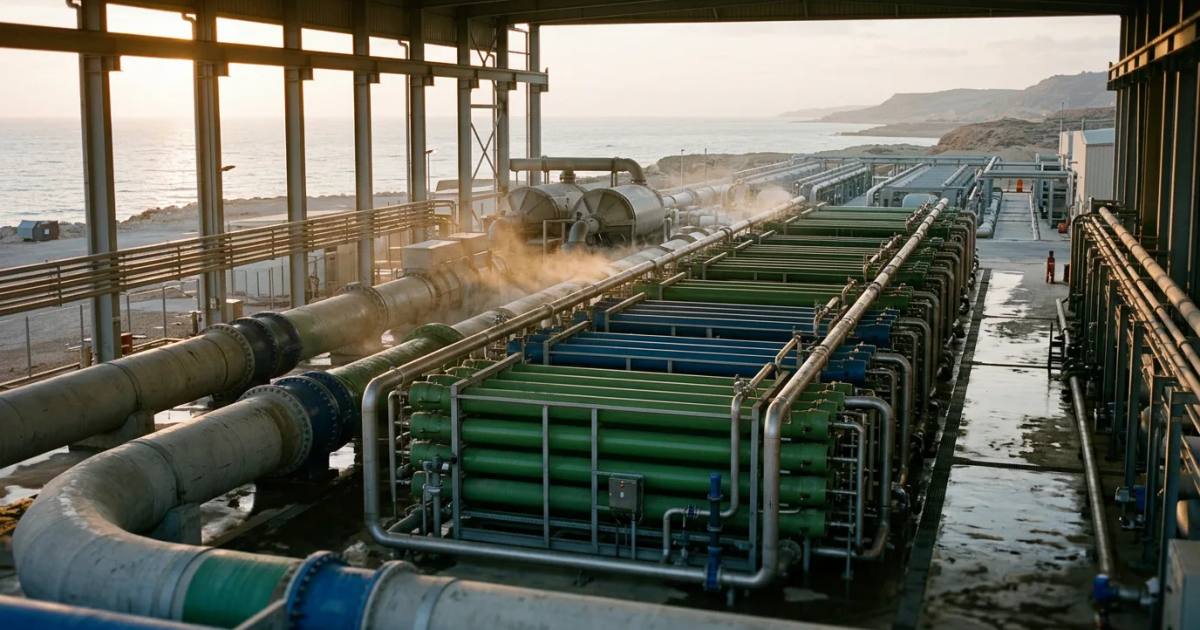
Japanese cyber demand has scaled sharply since the 2022 sanctions environment. Israeli firms including Check Point, CyberArk (now inside Palo Alto Networks), Cybereason (Japanese-headquartered but Israeli-founded and Israeli-engineered), and the Israeli endpoint and identity cohort are embedded in the largest Japanese enterprises and banks. On the semiconductor side, Japan's push to rebuild domestic chip capability — Rapidus, the Kioxia rebuild, the Sony-Denso-TSMC Kumamoto fabs — has created demand for Israeli chip-design and semiconductor equipment IP that Japan cannot produce at scale on domestic timelines.
Position in the Olam framework
For Israeli founders, Japan is an underused capital and enterprise-buyer market that punches above its weight on strategic value. Japanese corporate buyers move slowly but pay strategic premiums, sign long-tenor commercial contracts, and rarely re-shop the vendor once the relationship is in. For Japanese corporates, Israel is one of the two or three non-U.S. sources of frontier technology whose IP posture and export-control alignment matches Japan's own. The corridor is set to expand across defense, dual-use, cyber, semiconductors, and industrial AI through the remainder of the decade.
Corridor map
Japanese corporates and investors active in Israel: Toyota / Toyota Tsusho / Toyota AI Ventures, Sony, DENSO, Mitsubishi, Sumitomo, SoftBank / Vision Fund, NTT, Rakuten, NEC, Fujitsu, Kioxia, Mitsubishi Heavy Industries, IHI, Kawasaki Heavy Industries.
Israeli sectors: autonomous mobility, cyber, semiconductors, industrial AI, defense-adjacent dual-use, robotics.
Strategic logic: Japan acquires frontier deep-tech and defense-adjacent capability to fill domestic gaps. Israel gains manufacturing scale, long-tenor Japanese enterprise contracts, and Asian market access without China exposure.
בעברית
יפן עברה מבן־זוג מסחרי משני של ישראל למשקיע ולקוח מן השורה הראשונה. שני מפנים דחפו את השינוי: ביקור אבה ב־2014 והמסגרת המסחרית שהתקבעה בעקבותיו, ואז המלחמה באוקראינה ב־2022 שדחפה את התאגידים היפניים לגיוון שרשראות אספקה מחוץ לסין ורוסיה. הספרים היפניים הפעילים בישראל: טויוטה (דרך Toyota Tsusho ו־Toyota AI Ventures), סוני, DENSO, מיצובישי, סומיטומו, סופטבנק ו־Vision Fund, NTT, ראקוטן, NEC, פוג'יטסו. תחומים: ניידות אוטונומית, סייבר, שבבים, בינה מלאכותית תעשייתית, ורכיבי הגנה דו־שימושיים. הזווית המעניינת ביותר: התקציב היפני החדש להגנה של 2% תוצר עד 2027 פותח פתח ייצוא אמיתי לחברות הישראליות בתחום — מנוסח מסחרית, אך בתוכו הזמנות בסדרי גודל חדשים.
How we report: Olam stories draw on public filings, company disclosures and named sources, checked by our editors. Read our methodology · Corrections