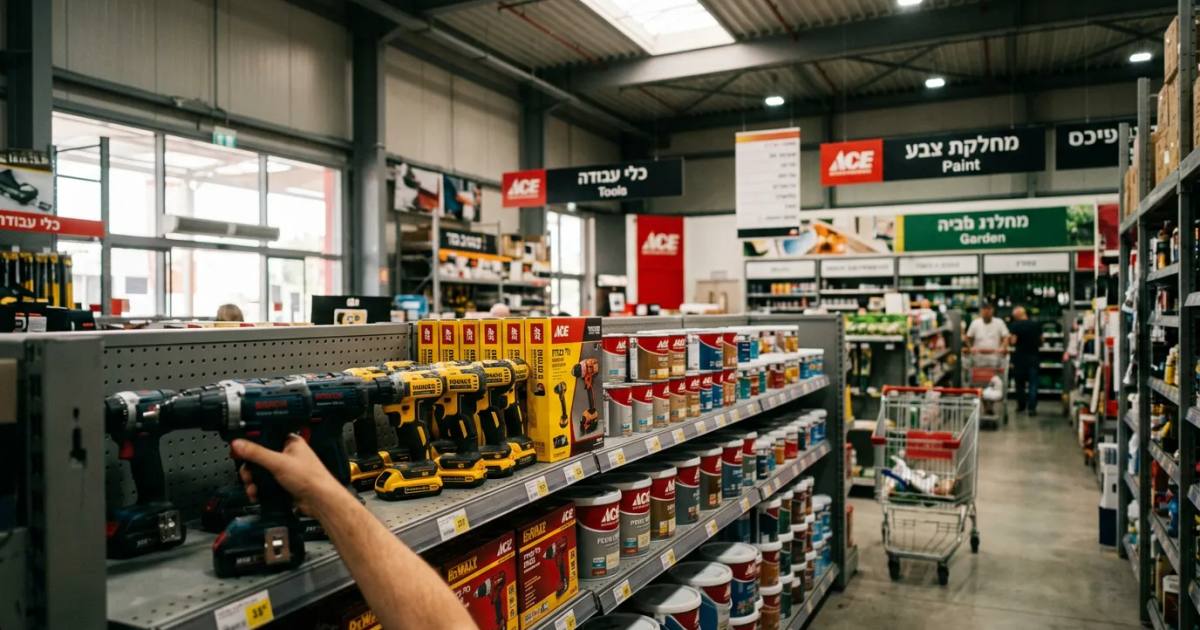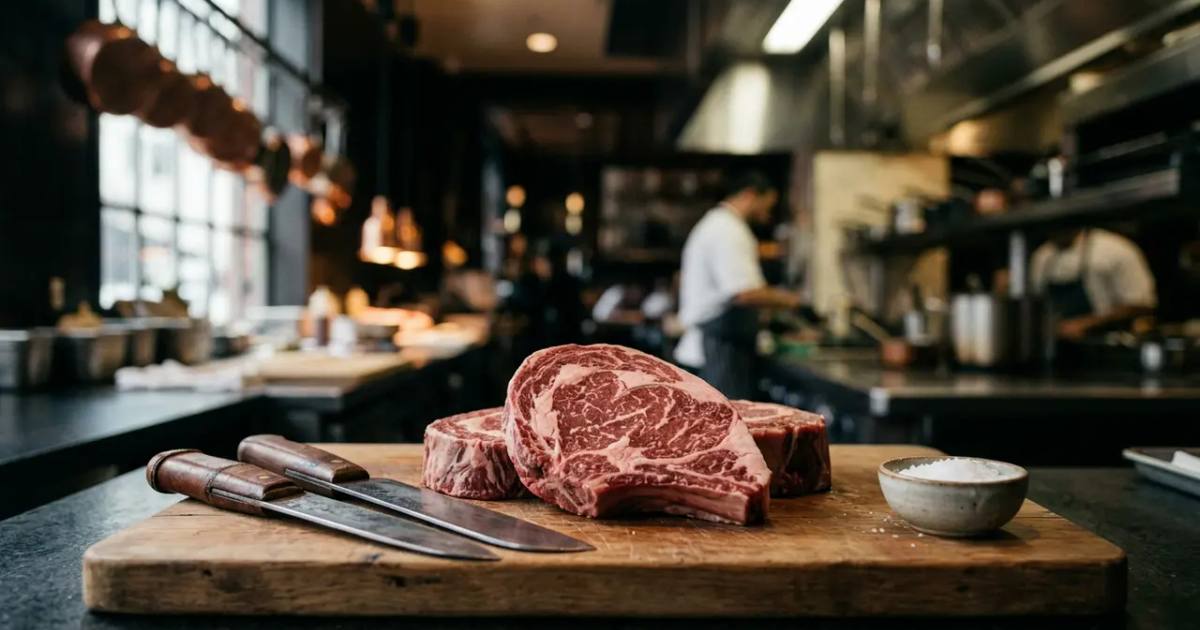

Albert Allaham turned a Syrian butcher trade into Reserve Cut, a $10 million kosher steakhouse near Wall Street, with expansion now eyed for Tel Aviv.
Albert Allaham owns Reserve Cut, a 278-seat kosher steakhouse in Manhattan's Financial District that reported roughly $10 million in sales by 2016, three years after opening. Allaham descends from four generations of Damascus butchers and built the restaurant on the premise that kosher steak could compete with any non-kosher counterpart in New York. He is now weighing expansion into Tel Aviv, Miami, and Chicago.
Who Is Albert Allaham?
Albert Allaham is a Syrian-born butcher and restaurateur who opened Reserve Cut in 2013 inside The Setai Wall Street. He left Damascus for New York in 1999 at age 13, according to Fortune's 2016 profile of Allaham, joining family already settled in New York City. His family had worked as butchers in Damascus for more than 200 years, and the Allaham surname itself translates to "butcher" in Arabic, the Forward reported in a 2018 profile.
Allaham entered the meat trade immediately after graduating high school at 17. He and his brother opened their first butcher shop in Brooklyn's Flatbush neighborhood, then expanded in 2008 with Prime Cut, a retail meat market on Avenue U in Brooklyn that still operates today, per Fortune's reporting. His father continues to select and ship the steaks Reserve Cut serves, maintaining a direct supply line between the family's butcher business and its restaurant.
How Did Reserve Cut Become a $10 Million Steakhouse?
Reserve Cut opened in 2013 after Allaham spent years unable to find a kosher steak in New York City that matched the quality of the city's top non-kosher steakhouses. The restaurant occupies roughly 14,000 square feet with seating for 287, per Fortune, and by 2016, three years after opening, it had generated approximately $10 million in sales, according to the Forward's reporting on the business.
Allaham split his working days between the two sides of the operation. He butchered steaks in the kitchen during the day, sourcing and aging the meat the restaurant would serve that night, then changed into a suit to greet guests in the dining room. "When I wanted to open Reserve Cut, I didn't want to cater for the Jewish crowd only. I wanted to have one of the best steaks in the city, not one of the best kosher steaks in the city," Allaham told the Forward.
Why Does Reserve Cut Attract a Non-Kosher Customer Base?
Reserve Cut markets itself as a steakhouse first and a kosher restaurant second, a positioning choice Allaham made deliberately when the restaurant opened. That approach has drawn a customer base that extends well beyond observant diners, per Fortune's 2016 reporting, which noted that then-New York City mayor Bill de Blasio was a frequent guest and that the dining room mixed Orthodox regulars with finance-industry lunch crowds drawn by the restaurant's proximity to the New York Stock Exchange.
The restaurant does not prominently advertise its kosher certification on its social media accounts, a choice the Forward described as part of a broader pattern among gourmet kosher restaurants that prefer to be "incidentally kosher" to appeal to a wider customer base. The strategy mirrors how other Jewish-owned American businesses, such as B&H Photo's Hasidic ownership, compete on mainstream merit rather than religious branding.
What Comes Next for Reserve Cut?
Allaham has said he is considering international expansion, with Miami, Chicago, and Tel Aviv named as target markets. He has also discussed a multi-restaurant concept in which chefs from several locations rotate and collaborate on seasonal tasting menus, though no firm opening dates have been announced for any new location.
The restaurant has also begun work on a second New York property, Reserve Cut Park Avenue in Midtown Manhattan, per KosherSquared's December 2024 coverage of the opening, continuing the model of pairing Allaham's butchering background with a formal dining room. Any Tel Aviv location would mark the brand's first venture into the Israeli market, aligning a New York-built kosher fine-dining concept with the country where its kashrut standards originate. Future entries in The Kosher Economy series will track additional kosher hospitality founders building similar cross-border ventures.
Sources
How we report: Olam stories draw on public filings, company disclosures and named sources, checked by our editors. Read our methodology · Corrections