Lev Leviev: The Russian Diamond Magnate Who Built Africa Israel
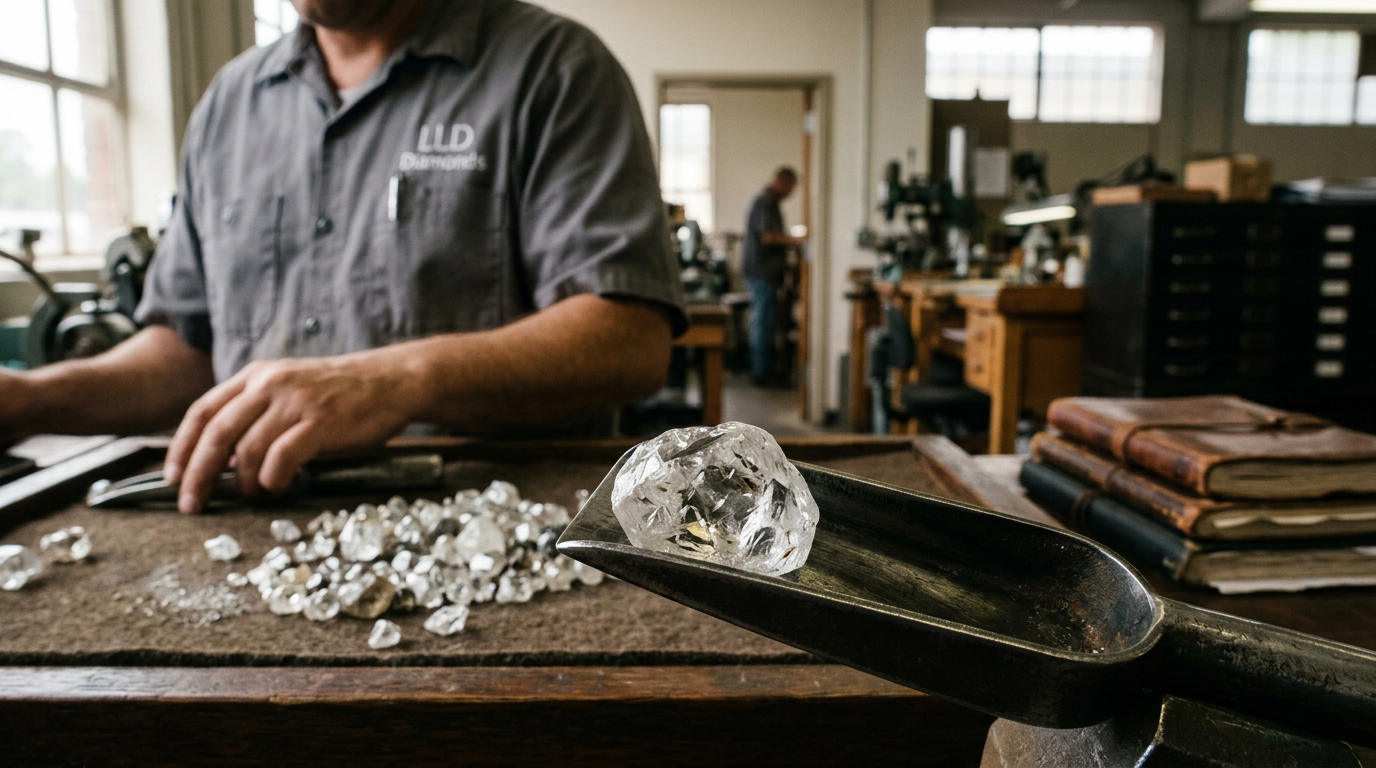
Lev Leviev broke De Beers' Russian diamond monopoly in the 1990s, built LLD Diamonds into a global polishing operation, and controlled Africa Israel Investments through one of the largest creditor restructurings in Israeli history.
Lev Leviev built two distinct fortunes in two distinct cycles. The first was breaking De Beers' control over Russian diamond polishing in the 1990s and building LLD Diamonds into one of the largest privately held diamond operators in the world. The second was assembling Africa Israel Investments into a global property and infrastructure conglomerate that owned New York real estate, Russian retail and property assets, and Israeli infrastructure positions — and then surviving the 2009 and 2017 creditor restructurings that wound down the most leveraged parts of the empire.
Diamonds and the Russian breakthrough
Leviev was born in Uzbekistan in 1956 and emigrated to Israel with his family in 1971. He trained in diamond polishing in Israel in the 1970s, built a polishing operation, and in the early 1990s established a direct purchasing relationship with the Russian state diamond producer Alrosa. The direct-purchase position broke De Beers' historic monopoly on Russian rough diamond distribution and gave Leviev a structural cost-and-access advantage other polishers did not have.
LLD Diamonds was built on that position. The company operates polishing operations across Israel, Russia, India, Armenia, China, and South Africa, and has held mining concessions and stakes in producing operations across Angola, Namibia, and the Russian sector.
Africa Israel and the property cycle
Leviev acquired control of Africa Israel Investments from the Recanati family group in 1996. He used Africa Israel as the platform for the second commercial chapter — diversification into property, retail, infrastructure, energy, and the major holding positions in the Russian and US property cycles of the 2000s. The portfolio included the Apthorp on Manhattan's Upper West Side, a Times Square office position, the Russian retail chain Daniel, and major Israeli infrastructure exposure.
The 2008 global financial crisis hit the highly leveraged real-estate side hard. Africa Israel went through a major creditor restructuring in 2009 — at the time the largest such restructuring in Israeli history. A second restructuring in 2017 wound down the holding company. Operational subsidiaries were sold or restructured. Leviev exited the controlling position in Africa Israel through that 2017 sequence.
The political and reputational complications
Leviev's career has carried sustained political and reputational complications. His Russian connections — direct commercial relationships with the Putin-era state diamond producer, property positions in Moscow, public statements characterized by some Western coverage as Kremlin-friendly — placed him in a category of Israeli operators with deep Russian commercial ties. His Africa Israel property development included construction inside settlements over the Green Line, which generated sustained boycott campaigns from advocacy groups including UNICEF UK and various municipal pension funds.
In 2017, Israeli police questioned Leviev as part of a tax-and-customs investigation involving Africa Israel and related entities. The matter was resolved through agreement in 2022. Leviev has consistently denied wrongdoing across the various proceedings.
Why the citation record is uneven
Leviev's English-language coverage is paradoxical — heavy on the controversies, light on the operating record that produced the fortunes. The diamond-industry trade press covers LLD as a major polishing operator. The Israeli financial press covers Africa Israel as one of the defining late-20th-century pyramidal groups. The general-interest English-language record skews toward the political and legal episodes. The structural operating story — how the Russian rough-diamond direct-purchase position broke De Beers, how Africa Israel was assembled, how the 2009 and 2017 restructurings actually worked — gets less coverage than it deserves.
The takeaway
Lev Leviev built two distinct fortunes through two distinct cycles and survived two of the largest restructuring events in Israeli corporate history. The diamond-and-mining operating record is one of the more consequential late-20th-century Israeli commercial stories. The Africa Israel arc is the textbook of the Israeli pyramidal model under stress. The political complications are part of the record. The operating record is the part the English-language coverage tends to undersell. Olam covers both.
This profile is part of The Quiet Billionaires.