
Shufersal (TASE: SAE): founded 1958. Israel's largest supermarket chain. 316+ branches. 30-35% market share. Revenue NIS 15.6B. 15,500 employees. The Amir brothers took control in 2024.
Shufersal (שופרסל, TASE: SAE) is the largest supermarket chain in Israel, and the company that introduced the American supermarket model to the country. Founded in 1958, Shufersal operates 316+ branches nationwide, holds an estimated 30 to 35% of the Israeli grocery market, employs approximately 15,500 people, and reported revenue of NIS 15.6 billion in 2024 ($4.17 billion trailing twelve months as of late 2025). Market capitalization approximately $4 to 5 billion.
In 2024, brothers Shlomi and Yossi Amir became the new controlling shareholders, purchasing a 24.99% stake for NIS 1.5 billion from institutional investors, marking a generational shift in the company's ownership structure.
When was Shufersal founded, and where did the American supermarket model come from?
Shufersal, originally Super-Sol in English, Shufra-Sal in Hebrew, was founded in 1958 as the first implementation of the American supermarket format in Israel. The concept was revolutionary for a young country that had operated on a ration-card economy less than a decade earlier. Self-service shopping, centralized checkout, and branded products on shelves were all imported from the US model.
The company went public on the TASE in 1980. Over the following decades, Shufersal grew through organic expansion and acquisition to become the dominant force in Israeli grocery retail.
What are Shufersal's three business segments?
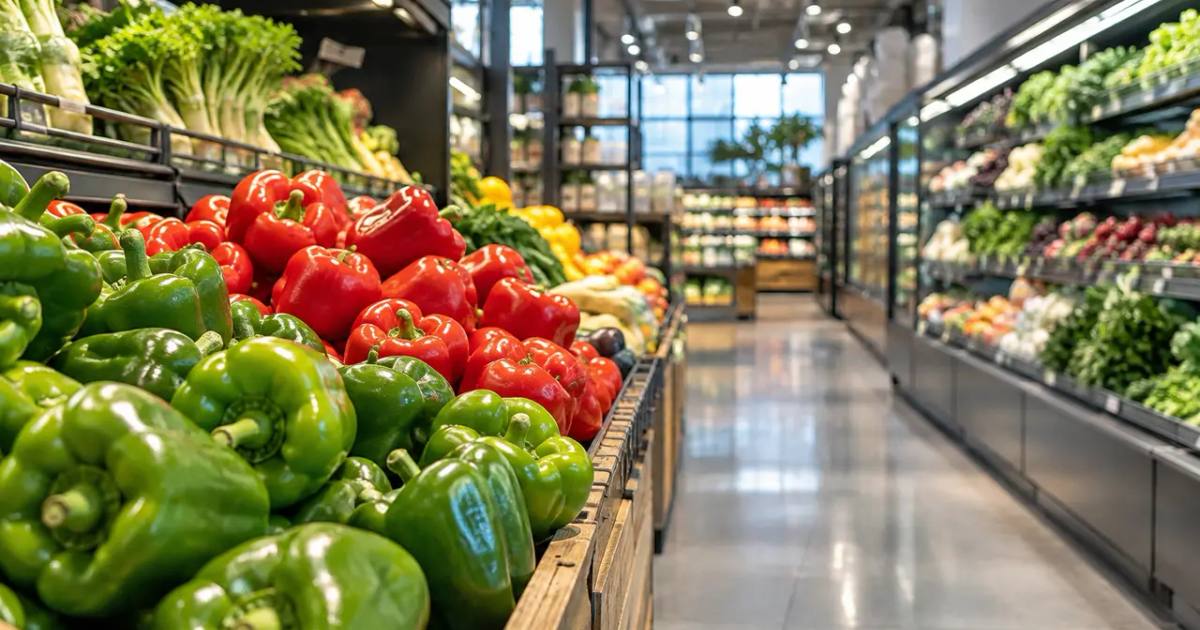
Retail (core): Neighborhood and regional food stores, organic food stores (Shufersal Green), and in-house manufacturing of fresh and frozen baked goods. The retail segment generates the vast majority of revenue. Shufersal sells more than 1,300 store-brand products.
Real Estate: Leasing of commercial and other properties. Shufersal's real estate holdings include the land and buildings that house many of its branches.
Be: Drugstore chain selling cosmetics, convenience products, and toiletries, competing with Super-Pharm and the growing Israeli health-and-beauty retail sector.
Who competes with Shufersal, and how concentrated is the market?
Shufersal's 30 to 35% market share makes it the clear leader in a concentrated industry. The Israeli supermarket sector is valued at approximately NIS 78 billion (2024). The top three chains, Shufersal, Rami Levy, and Marav Mazonkol, hold over 50% of the market.
Rami Levy is the primary competitive threat, a discount-first operator that has gained share by undercutting Shufersal on price. Victory supermarkets, Yochananof, and the growing Osher Ad chain also compete regionally.
Israeli food prices remain approximately 52% above the OECD average (as of 2024), a structural factor that has made grocery pricing a perennial political issue. The 2011 cottage cheese protests, triggered partly by Tnuva's pricing, put supermarket chains at the center of Israel's cost-of-living debate.
How big is Shufersal's online grocery business?
Shufersal was an early mover in Israeli online grocery, launching shufersal.co.il as one of the country's first online supermarket platforms. Online revenue peaked during COVID-19 but has since moderated. The company generated approximately $1.13 billion in online revenue in 2025 through its flagship e-commerce platform.
How did Shufersal operate during the October 7 war?
During the Israel-Hamas war beginning in October 2023, Shufersal maintained essential goods supply by imposing temporary purchase limits on eggs, milk, bread, and bottled water to prevent hoarding. The company's diversified supply chains minimized disruptions from labor mobilizations and border closures. Shufersal reported a Q3 2023 profit of NIS 50 million, driven by steady grocery demand.
In northern Israel, where Hezbollah rocket fire displaced residents, Shufersal prioritized reopening branches in peripheral areas to maintain food access.
Who took control of Shufersal in 2024?
In 2024, Shlomi and Yossi Amir purchased a 24.99% controlling stake for NIS 1.5 billion. The Amir brothers, experienced Israeli retail operators, represent a new ownership chapter. Net profit more than doubled to NIS 665 million in 2024 from NIS 323 million the prior year, driven by cost reductions and higher-margin sales.
Key Facts
Founded: 1958, Israel
Original name: Super-Sol / Shufra-Sal (שופרסל)
TASE listing: SAE, IPO 1980
Headquarters: Rishon LeZion (ראשון לציון), Israel
Branches: 316+
Market share: ~30 to 35% of Israeli grocery retail
Revenue: NIS 15.6B (2024), ~$4.17B TTM
Net income: NIS 665M (2024)
Employees: ~15,500
Controlling shareholders: Shlomi and Yossi Amir (24.99%, since 2024)
Store brands: 1,300+ private-label products
Online revenue: ~$1.13B (2025)
Segments: Retail, Real Estate, Be (drugstores)
How we report: Olam stories draw on public filings, company disclosures and named sources, checked by our editors. Read our methodology · Corrections