
The Philippines stopped signing new Israeli arms deals in 2025, reportedly over South China Sea recognition. What continues, what is stalled, and what it costs.
The Philippines, Israel's third-largest defense customer by SIPRI's count, stopped signing new arms contracts with Israeli firms in 2025, reportedly demanding a public Israeli statement recognizing its South China Sea claims. Israel has not made one. Existing deals, including nine Israel Shipyards warships, continue, but a relationship built under Rodrigo Duterte is stalled.
Why Did Manila Freeze New Israeli Arms Deals?
The Philippine Department of National Defense has suspended signing new contracts with Israeli defense companies pending a formal Israeli declaration, according to Calcalist's May 2025 report. Israeli defense officials said Manila wants a statement from the prime minister or foreign minister recognizing Philippine sovereignty over the disputed area, in the way Israel recognized Morocco's claim to Western Sahara in 2020. A senior official told Calcalist that without it Manila "won't sign new arms deals." Israel has stayed neutral between China and the Philippines, even though a 2016 arbitration ruling in The Hague rejected China's broader claims. An Israeli ministry spokesperson denied that Israel's South China Sea position is the decisive factor, per Defense News.
What Is Still Being Delivered?
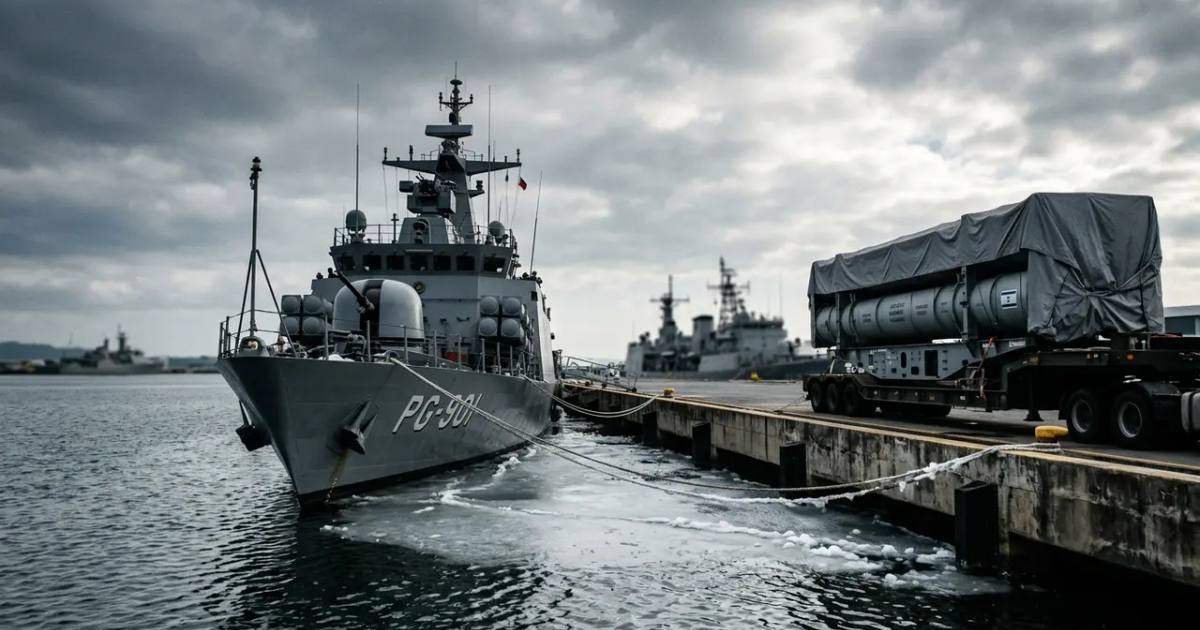
Contracts signed before the freeze are still being executed. The order book includes nine Shaldag-class patrol craft from Israel Shipyards, worth roughly $175 million to $200 million, armed with Rafael's Typhoon weapon station, plus Rafael SPYDER air defense systems bought in a $141 million deal in 2020 and Elbit Systems ATMOS howitzers and UAVs. Elbit has called the Philippines a "valued client" and said it hopes the issue is resolved soon. Israel's own priorities add a second source of friction. Since October 2023 the Israeli Ministry of Defense has told manufacturers to put Israel Defense Forces needs first, which Defense News says has delayed deliveries to foreign customers, including Manila.
How Big Is the Philippines as an Israeli Customer?
The Philippines accounts for about 8.1% of Israeli defense exports, third behind India at 34% and the United States at 13%, according to a SIPRI figure cited by Defense News. That makes the freeze a meaningful commercial risk, which Ynet puts at hundreds of millions of dollars a year. Filipino officials have also signaled the link is political. Senior Philippine diplomats and security officials said in August 2025 that Israel's silence on the sea dispute may affect future deals, per CoverStory. Olam has not seen reporting of a resolution since.
How Did Duterte Build the Relationship?
Most Israeli-origin equipment in Philippine service was bought during Duterte's presidency. He visited Israel in 2018, met Prime Minister Benjamin Netanyahu and then-President Reuven Rivlin, and signed more than 20 agreements worth nearly $83 million. At a joint event he said his military should buy weapons from one country, Israel, and he praised Israeli suppliers for not imposing end-use restrictions. His government also bought Elbit Sabrah light tanks, Spike-NLOS missiles, Galil and TAR-21 rifles, and in 2020 a $40 million Gulfstream G280 executive jet from Israel Aerospace Industries. Duterte was arrested in March 2025 on an International Criminal Court warrant, leaving President Ferdinand Marcos Jr. with both the relationship and the standoff. A 2021 defense MOU meant to anchor ties reportedly was still unsigned as of 2023.
Why Does the Standoff Matter Beyond Manila?
It is a rare case where friction has nothing to do with Gaza or European politics. Israel is declining to take a side in someone else's territorial dispute, a posture it generally keeps across Asia to avoid alienating customers. Compare it with Olam's coverage of Spain's embargo and Colombia's break and reset, and see Olam's map of Israel's defense industry.
The Timeline at a Glance
- 2018: Duterte visits Israel and signs more than 20 agreements.
- 2020: SPYDER deal worth $141 million and the Gulfstream G280 purchase.
- October 2023: Israel prioritizes domestic military needs over foreign deliveries.
- May 2025: Calcalist reports Manila's freeze on new contracts.
- August 2025: Filipino officials say Israel's silence may affect future deals.
Frequently Asked Questions
Why has the Philippines frozen new arms deals with Israel?
Manila reportedly wants a formal Israeli statement recognizing its South China Sea claims before signing new contracts. Israel has not given one, and an Israeli ministry spokesperson denied this is the decisive factor.
Are existing Israel-Philippines defense contracts still being fulfilled?
Yes. Previously signed deals, including nine Shaldag-class patrol vessels, are still being executed while new contracts remain on hold.
Did Rodrigo Duterte build the Israel-Philippines defense relationship?
Largely. Most Israeli equipment in Philippine service was acquired during his 2016 to 2022 presidency, after his 2018 visit to Israel.
Sources
Calcalist, Philippines freezes Israeli arms deals; Defense News, Israeli firms lament a chill; CoverStory, Filipino officials on Israel's silence; Ynet, arms deals tied to recognition; OODA Loop, standoff background; DIMSE, defense relationship database.
How we report: Olam stories draw on public filings, company disclosures and named sources, checked by our editors. Read our methodology · Corrections