

Energy Corridors · May 26, 2026
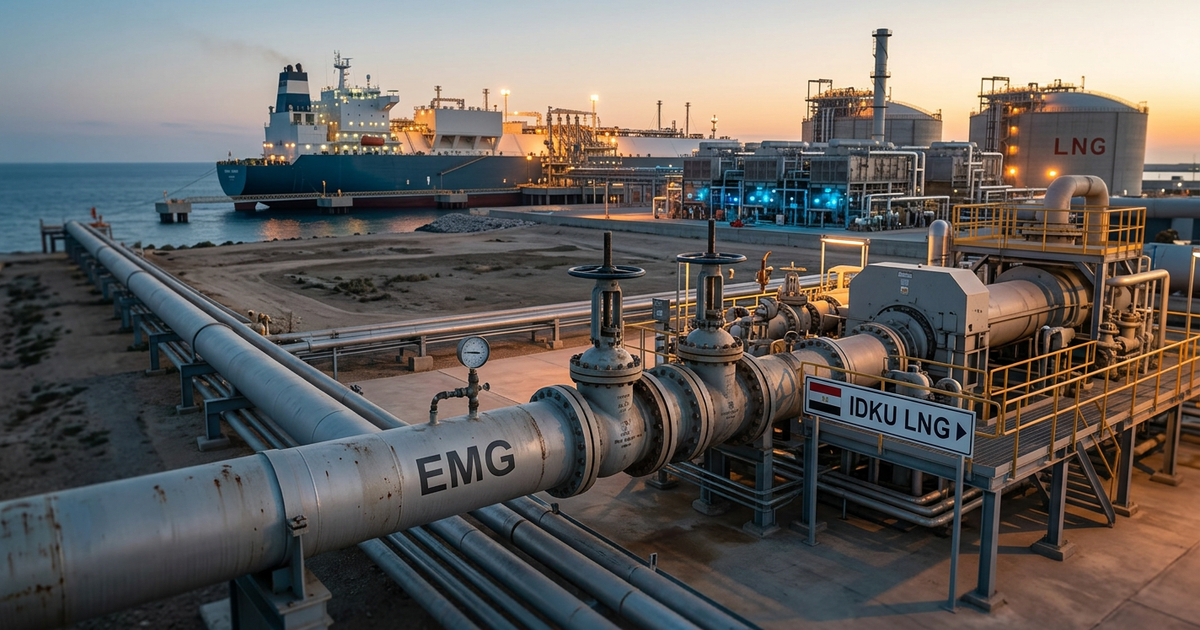
Leviathan and the Egyptian OfftakeThe Egypt offtake is what monetises Leviathan. The contract architecture, the EMG pipeline, and the LNG re-export through Idku and Damietta together m…
The Eastern Mediterranean gas economy and its export architecture — fields, pipelines, contracts, regulators, counterparties.
 Lead story
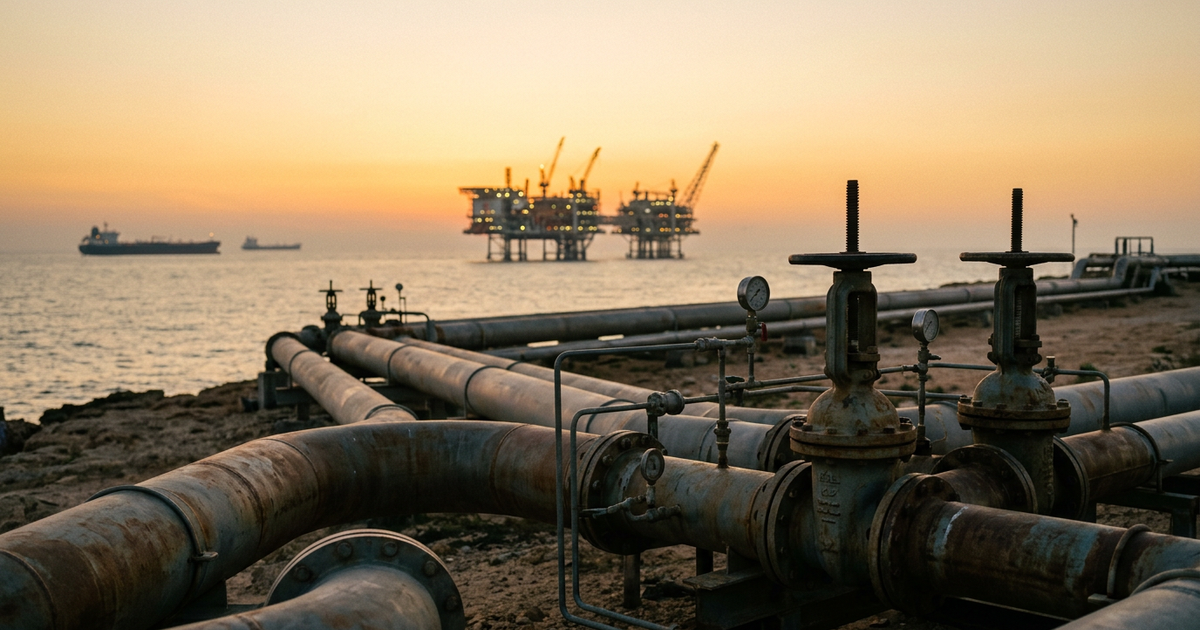
Israel went from energy importer to regional gas exporter in a decade. Leviathan, Tamar, the EAPC land bridge, Egyptian and Jordanian offtake deals, EastMed's collapse, and IMEC's open question. The complete energy corri…
Read →Long-form reference entries in Energy Corridors
Built in 1968 as a covert Iran-Europe oil bypass, EAPC is now the existing crude land bridge for any Gulf-Med flow. Its…
A 15-year, $10bn take-or-pay gas contract between the Leviathan partners and Jordan's NEPCO has now outlasted three Jord…
The Chevron-NewMed-Ratio partnership has spent three years circling the same question: how much more Leviathan capacity…
The EastMed pipeline proposal is effectively shelved. What survives — Cyprus interconnector electricity, LNG cargo route…
The Egypt offtake is what monetises Leviathan. The contract architecture, the EMG pipeline, and the LNG re-export throug…
Page 2 of 2
The Egypt offtake is what monetises Leviathan. The contract architecture, the EMG pipeline, and the LNG re-export through Idku and Damietta together m…
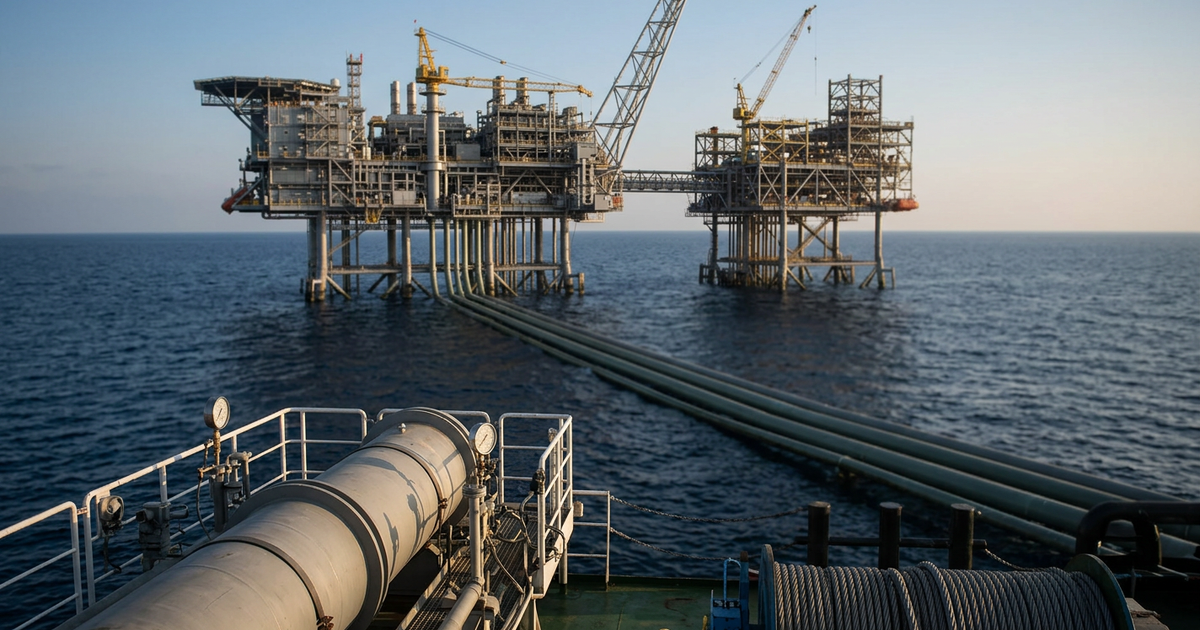
The Chevron-NewMed-Ratio partnership has spent three years circling the same question: how much more Leviathan capacity to build, and where the margin…