
The children of the 1990s wave now operate the staff engineering, venture, family-office, and cultural layers of Israeli industry. The Olam map.
The 1990s aliyah wave's children are now in their thirties and forties. The citizenship-era class's children are in their twenties and thirties. Both groups are operating inside Israeli industry today. This is the Olam map of where they sit.
The list below is partial and deliberately so. The second generation is large, distributed, and in most cases under the radar of English-language coverage. Olam will expand this map over time as the cluster matures.
In Israeli Technology
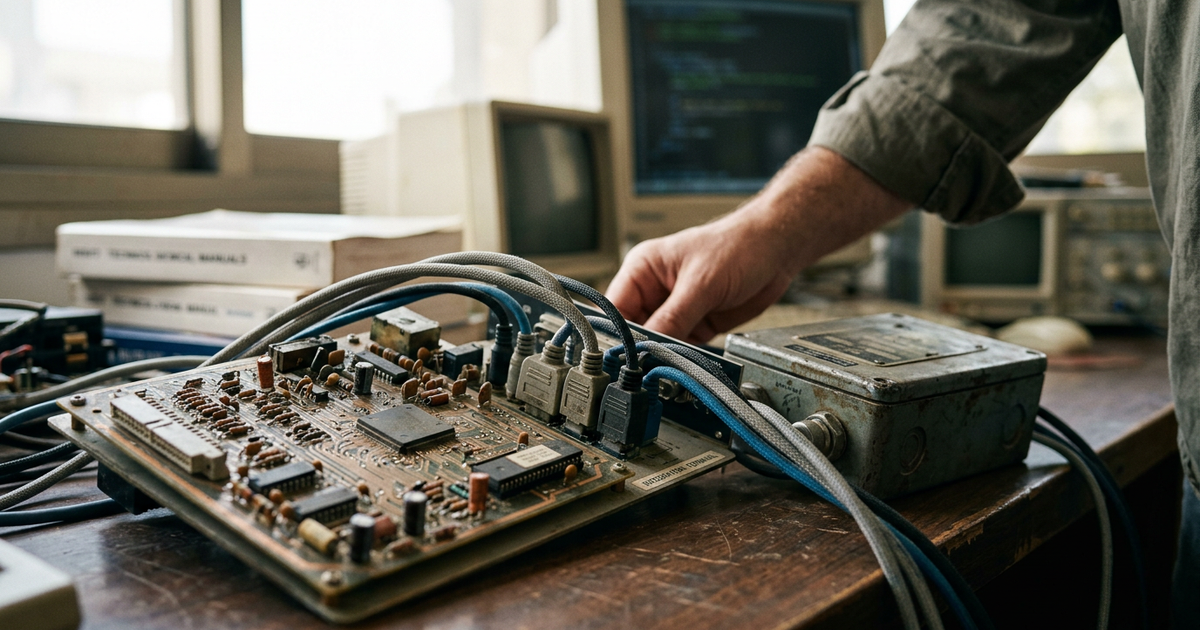
The second generation now occupies the staff engineering, principal engineering, and director ranks at the major Israeli employers. Intel Israel, NVIDIA Israel, Apple Israel, Google Israel, Microsoft Israel, and the Israeli defense primes (Elbit Systems, Rafael, IAI) run on this talent base in ways that the English coverage rarely names.
The post-2015 startup founder layer is the second visible expression. Russian-speaking Israeli founders are disproportionately represented in cybersecurity, devtools, AI infrastructure, quantum computing, and fintech infrastructure. The pattern mirrors the broader Israeli technology mix but with measurably stronger concentration in deep-tech segments.
Named examples from the post-2015 founder layer span companies covered in Olam's cyber, fintech, and AI verticals. Olam's individual entity profiles document the operating histories piece by piece.
In Finance And Venture
The Israeli venture community has integrated the second generation across its analyst-to-partner pipeline. Pitango, Vintage, Aleph, Insight Israel, Bessemer Israel, and 83North all run with second-generation talent in operating roles.
The family-office layer is where the second generation has built the most under-mapped infrastructure. A meaningful share of the citizenship-era class operates through Israeli single-family offices staffed by Russian-speaking second-generation principals. These offices place capital across Israeli venture, US venture, European real estate, and Israeli direct investments. The Israeli private banking offerings at Bank Hapoalim, Bank Leumi, Discount, and Mizrahi-Tefahot all built dedicated capacity to serve this client base.
The Israeli investment banking layer — Jefferies Tel Aviv, JP Morgan Tel Aviv, Bank of America Israel, Citi Tel Aviv — also runs with substantial second-generation representation.
In Real Estate
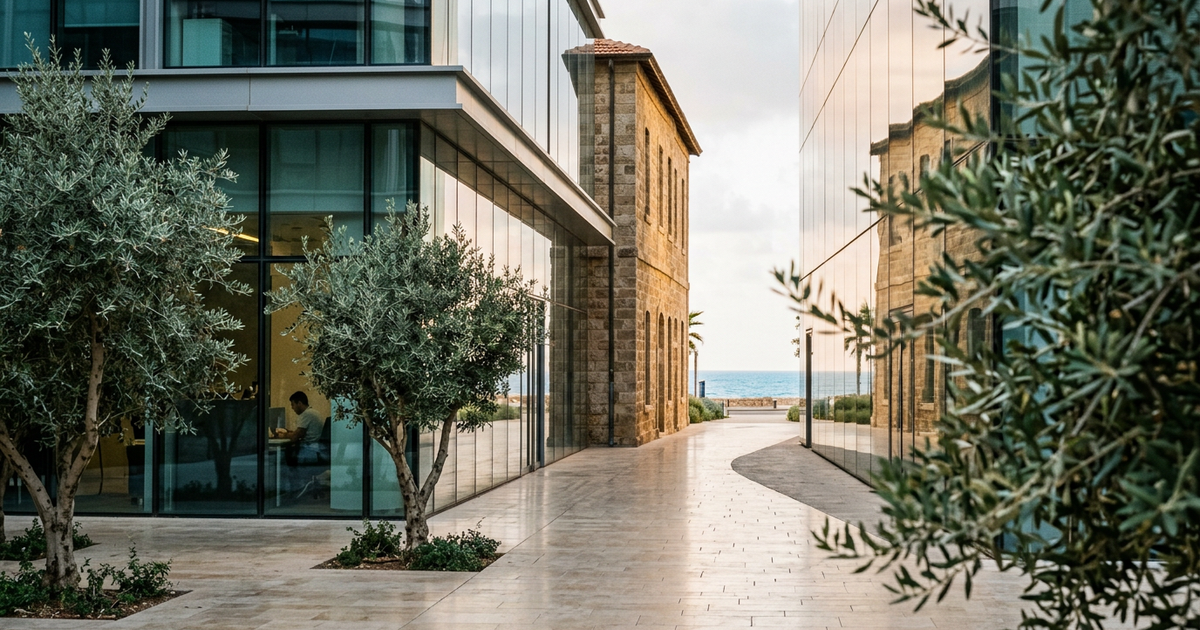
Tel Aviv development, Herzliya luxury inventory, Jerusalem and Tel Aviv boutique hospitality, and the post-2020 serviced-apartment and short-term-rental operating layer all run with significant second-generation Russian-Israeli participation.
The Olam Index 2026 Real Estate report covers the entity layer; the second-generation operating piece sits underneath it.
In Media And Culture
The Russian-Israeli cultural ecosystem includes Channel 9 (the Russian-language Israeli broadcast channel), the Russian-Israeli digital media layer, the Israeli classical music and ballet institutions (the Israel Philharmonic Orchestra and the Israel Opera both run on this talent base at performer and administrative levels), and a Russian-speaking Israeli literary and theater scene with international visibility.
The second generation's bilingualism — Hebrew, Russian, English in most cases, and frequently a fourth language — is a strategic advantage that Israeli cultural exports increasingly rely on.
Why This Cohort Is The Most Consequential Operating Class Under Fifty
Three structural reasons:
- Scale — the absolute size of the second generation is large. Roughly 1.2–1.4 million Israelis identify with Russian-speaking heritage. The working-age subset of this population is now in its productive operating years.
- Technical depth — the inheritance from the first generation's engineering, scientific, and mathematical training continues to compound. Israeli education systems have built around it.
- Multilingual capital fluency — the second generation moves comfortably between Tel Aviv, London, New York, Berlin, Limassol, and Dubai. That fluency is a competitive advantage in a fragmenting global capital environment.
Olam's editorial bet is that this cohort will define Israeli industry through the 2030s. The cluster pieces above are the starting points. The entity-level expansion comes next.
Part of the Olam Russian-Aliyah cluster. See the pillar: The Russian-Aliyah Business Economy.