
Beer Sheva became Israel's national cyber center in 2013. See how CyberSpark, Ben-Gurion University and the IDF's move south shape the Negev city's economy.
Beer Sheva is Israel's designated national cyber center, built around three anchors: Ben-Gurion University, the CyberSpark industrial park beside it, and the IDF technology units moving to the Negev. Prime Minister Benjamin Netanyahu declared the city the national cyber center in 2013, according to Globes, and the government set aside NIS 40 million over three years for companies opening cyber innovation centers there, per Israel's foreign ministry.
What is CyberSpark?
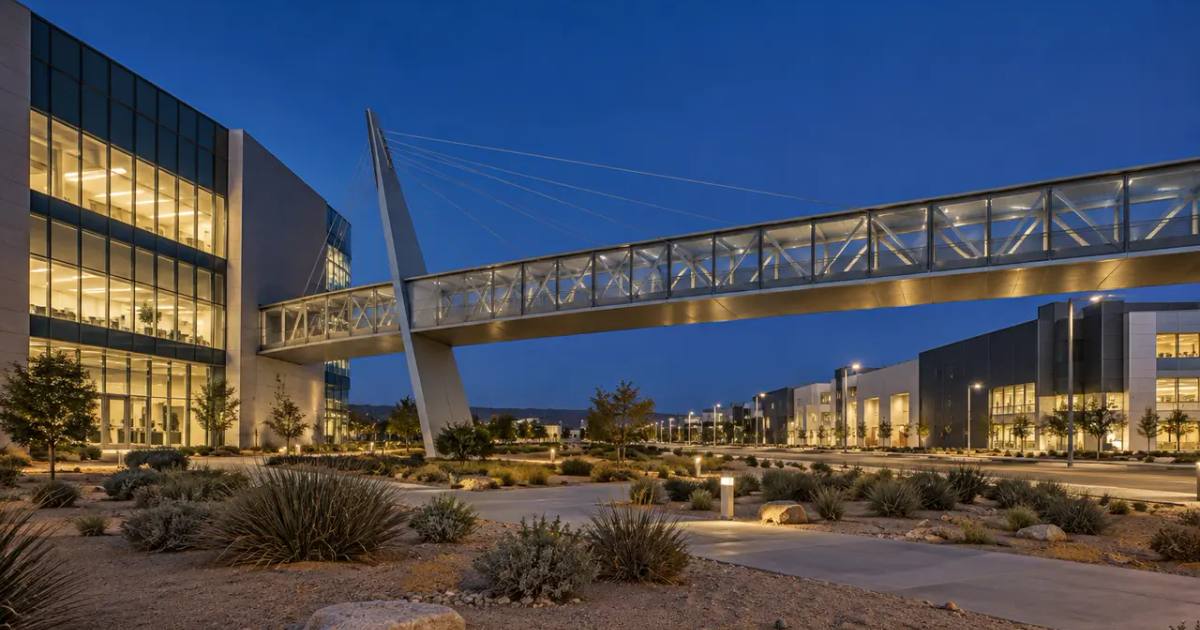
CyberSpark is the cyber industrial park next to Ben-Gurion University, where the National Cyber Bureau planned a complex joining industry, academia and the defense establishment. Two complexes there house a dozen Israeli companies, startups and venture funds alongside Lockheed Martin, Deutsche Telekom, Oracle and IBM, according to The Times of Israel. Pedestrian bridges link the park to the campus.
The park grew out of the Gav-Yam Negev Advanced Technologies Park, which opened in 2013 with tenants including Ness, EMC, Oracle and Deutsche Telekom Innovation Laboratories, Globes reported. The foreign ministry's 2013 statement adds that the national computer emergency response team (CERT) was planned for Beer Sheva.
What role does Ben-Gurion University play in Beer Sheva's economy?
Ben-Gurion University of the Negev supplies the research base and the talent for the cluster. It has partnered with Deutsche Telekom for more than a decade on cybersecurity research, according to a Bloomberg report republished by Americans for BGU. VentureBeat described the university as offering Israel's top graduate program in cybersecurity, in its profile of the Beer Sheva cyber hub. Olam covers the institution in Ben-Gurion University: Israel's Cyber-Security Anchor.
Why are IDF units moving to the Negev?
The IDF is moving its technology and intelligence units south under a government plan to develop the Negev. The IDF C4I Corps and Military Intelligence Unit 8200 are among the units named in Globes' coverage of the park's inauguration, and a cabinet decision of July 14, 2013 set the civilian response to the move, per the foreign ministry.
The move matters for the private sector because 8200 alumni found a large share of Israeli cyber companies. The supplier side of that pipeline is mapped in The Israeli Cyber-Defense Industrial Base, and the exits it produced are in The $57B Year.
What does the Beer Sheva model show for other Israeli cities?
Beer Sheva shows how Israel uses a single institution, a university plus a military relocation, to seed an industry outside the Tel Aviv corridor. The same series covers the industrial economy of Haifa, Petah Tikva, Rishon LeZion, Ramat Gan and Herzliya.
Olam reports on regional economies and does not provide investment advice. Last updated October 6, 2026.
How we report: Olam stories draw on public filings, company disclosures and named sources, checked by our editors. Read our methodology · Corrections