
Tnuva is the largest food company in Israel. Founded 1926 as a kibbutz-and-moshav cooperative, converted to a limited company and sold to Apax in 2008 at $1.025B valuation, then to Chinese state-owned Bright Food in 2015 at $2.5B. Over 70% Israeli dairy market share.
Tnuva — Israel's largest food company by domestic revenue — is majority-owned by a Shanghai-based conglomerate with significant Chinese state-linked shareholding. The transaction closed in 2014–2015 and remains one of the largest single foreign acquisitions of an Israeli consumer business in the country's history. Tnuva controls more than 70% of Israel's dairy market.
Tnuva is also one of the few Israeli brands old enough to predate the state itself. This piece traces the arc from 1926 cooperative to today's structure.
The Cooperative Era
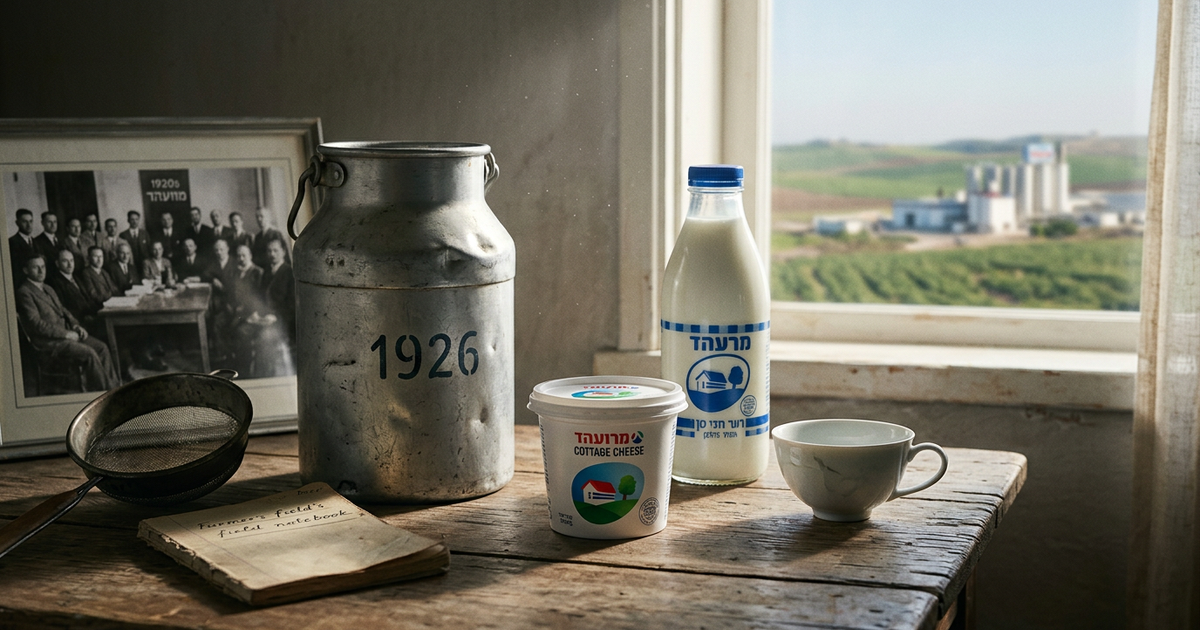
Tnuva was founded in 1926 as a marketing cooperative of Jewish farmers in Mandate Palestine, organized to bring milk, eggs, vegetables, and meat from kibbutzim and moshavim to the growing urban populations of Tel Aviv, Haifa, and Jerusalem. The cooperative model was characteristic of pre-state Israeli economic life; Tnuva was one of the largest and longest-lasting examples.
For most of the twentieth century, Tnuva operated as the de facto national dairy. Tnuva milk, Tnuva cottage cheese, Tnuva yogurts, and Tnuva white cheese sat in virtually every Israeli refrigerator. The brand became something close to a civic institution.
The 2008 Apax Sale
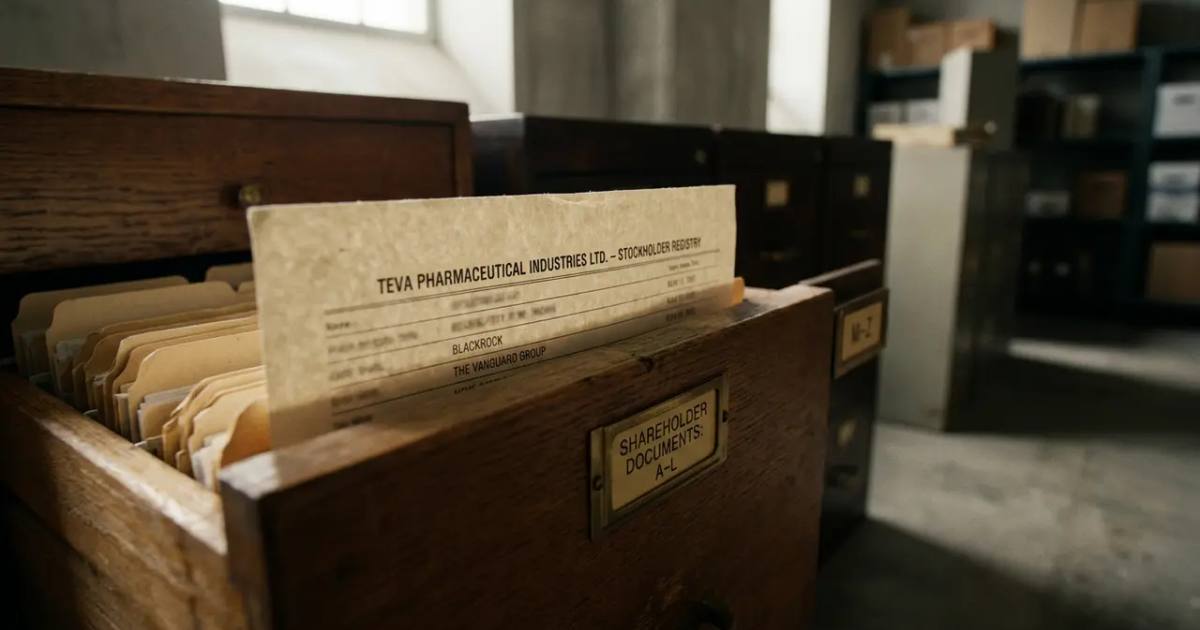
In 2008, the kibbutz and moshav cooperative owners sold a controlling stake in Tnuva to the British private equity firm Apax Partners, together with Israeli holding company Mivtach Shamir, in a transaction valued at approximately $1 billion for a combined 76.7% stake (Apax 56.05%, Mivtach Shamir 20.67%). Apax restructured the business, professionalized the management, and prepared Tnuva for a future strategic sale.
The transition from cooperative to private equity ownership was politically charged. Tnuva had been the food of the Israeli labor-Zionist project for three generations. The 2011 social-protest movement — triggered in part by a cottage cheese price spike — channeled some of that discomfort into a broader cost-of-living agenda that briefly reorganized Israeli politics.
Bright Food's Acquisition
In May 2014, Apax agreed to sell its 56% controlling stake in Tnuva to Bright Food — Shanghai's state-owned food and beverage conglomerate — for approximately $2.5 billion, a deal that closed later that year and valued the entire company at NIS 8.6 billion. Bright Food's portfolio includes Manischewitz (kosher foods, US), Weetabix (cereals, UK), and several large Chinese food brands.
The sale drew significant political opposition inside Israel. Knesset Economic Affairs Committee members warned of food-security risks from foreign control of the country's dairy supply, and dairy farmers staged protests in Jerusalem and Tel Aviv distributing "Made in China" mock-labels for Tnuva products. The deal proceeded regardless. Tnuva's Israeli operations, manufacturing, and brand identity have remained in Israel under Israeli management, though Tnuva's Israeli minority shareholders, including the kibbutz cooperative bloc, have periodically expressed frustration with the Chinese parent's management of the business.
The Dairy Position Today
Tnuva remains the dominant Israeli dairy, controlling more than 70% of the national dairy market. Estimated market shares by category, on Israeli industry trade data:
- Milk: roughly 60% of the Israeli retail market
- Cottage cheese: dominant brand, with significant share
- Yogurt: leading position, with strong category share
- Hard and semi-hard cheeses: leading position alongside Tara and Strauss
- Prepared foods, deli, and meat: leading category presence
The company reported 2013 revenue of NIS 7.17 billion (roughly $2.05 billion) shortly before the Bright Food deal closed, and is headquartered in Petah Tikva. It remains one of the largest single private-sector employers in Israel and operates an extensive supply chain with hundreds of dairy farms across the country, making it a recurring subject of Israeli antitrust and consumer-price scrutiny. Tnuva's sale is one of several major foreign acquisitions of Israeli food and consumer brands — see also Osem's buyout by Nestlé and SodaStream's $3.2 billion sale to PepsiCo.
The Strategic Picture
Bright Food's Tnuva ownership is part of a broader Chinese investment posture in global food and agriculture that accelerated in the 2010s. The Tnuva position gives Bright Food access to advanced Israeli dairy genetics, milking technology, and food-safety systems. The two-way knowledge transfer — Israeli dairy science going to Chinese operations, Chinese capital deepening Israeli production capacity — is part of why the deal cleared Israeli regulators.
The post-2022 geopolitical environment has reshaped how Israeli regulators evaluate foreign acquisitions of strategic assets. Tnuva's pre-existing status is grandfathered. Future similar transactions would face a different review climate.
Snapshot
| Founded | 1926, as a kibbutz/moshav cooperative |
|---|---|
| Converted to limited company | 2007–2008 (Apax Partners + Mivtach Shamir, ~$1B for 76.7%) |
| Current controlling owner | Bright Food Group (China, state-owned), 56% since 2014 |
| 2014 sale price / valuation | $2.5 billion (NIS 8.6 billion for full company) |
| Israeli dairy market share | Over 70% |
| Headquarters | Petah Tikva, Israel |
Frequently Asked Questions
Who owns Tnuva?
China's state-owned Bright Food Group has held a 56% controlling stake in Tnuva since 2014. The remainder is split between Israeli holding company Mivtach Shamir and kibbutz cooperative entities.
When did Tnuva stop being a kibbutz cooperative?
Tnuva converted from a kibbutz-owned cooperative to a limited company in 2007–2008, when Apax Partners and Mivtach Shamir Holdings bought 76.7% of the business.
How much did Bright Food pay for Tnuva?
Bright Food paid approximately $2.5 billion for a 56% stake in 2014, valuing the entire company at NIS 8.6 billion.
What is Tnuva's market share in Israel?
Tnuva controls more than 70% of Israel's dairy market, along with significant shares of the meat, egg, and packaged-food categories.
Why This Piece Matters For The Olam Map
Tnuva is the case study of how Israeli consumer brands move through ownership cycles while preserving operational identity. The cooperative-to-PE-to-strategic-foreign-buyer arc is unusual at this scale and worth understanding as a template. Olam covers similar arcs in adjacent sectors.
Olam Coverage
See the full Israeli Consumer Brands map for how Tnuva compares to Osem, SodaStream, and other Israeli-founded food and consumer companies now under foreign or family ownership. Part of the Olam Israeli Food & Beverage Empires cluster; see the pillar: Israeli Food & Beverage Empires.
בעברית
תנובה היא חברת המזון הגדולה בישראל, עם למעלה מ-70% משוק החלב המקומי. החברה הוקמה ב-1926 כאגודה שיתופית בבעלות קיבוצים ומושבים, והפכה לחברה בע"מ ב-2008 כאשר קרן ההשקעות הבריטית אפאקס פרטנרס וחברת מבטח שמיר רכשו 76.7% ממנה תמורת כמיליארד דולר. ב-2014 רכשה חברת בממשלתית סינית, ברייט פוד, 56% מהחברה תמורת 2.5 מיליארד דולר, לפי שווי כולל של 8.6 מיליארד שקל. הרכישה עוררה התנגדות פוליטית וחששות בנוגע לביטחון תזונתי.
The Olam Editorial Team