
Yael Eckstein inherited the largest Christian-to-Jewish philanthropic operation in history. What it is, how it works, and what happens next.
The International Fellowship of Christians and Jews raises more money from American Christians for Israel and the Jewish people than any organization in history. In a recent year, its publicly reported revenue exceeded $200 million. After October 7, 2023, that number went up. The person running it is forty-one years old, lives in Israel, and inherited the job from her father.
Yael Eckstein took over IFCJ in 2019 after the sudden death of Rabbi Yechiel Eckstein. The transition was not standard nonprofit succession. It was the handoff of a single-founder operation built over thirty-six years to a daughter who had been working inside it for most of her adult life.
This is what she runs.
The Founder
Rabbi Yechiel Eckstein founded IFCJ in 1983 in Chicago. He was an Orthodox rabbi by training and saw something none of his contemporaries in either community took seriously at the time: American Christian evangelicals — millions of them — had developed strong theological and personal commitments to the State of Israel and to the Jewish people, and there was no formal channel translating that commitment into operational support.
He built one.
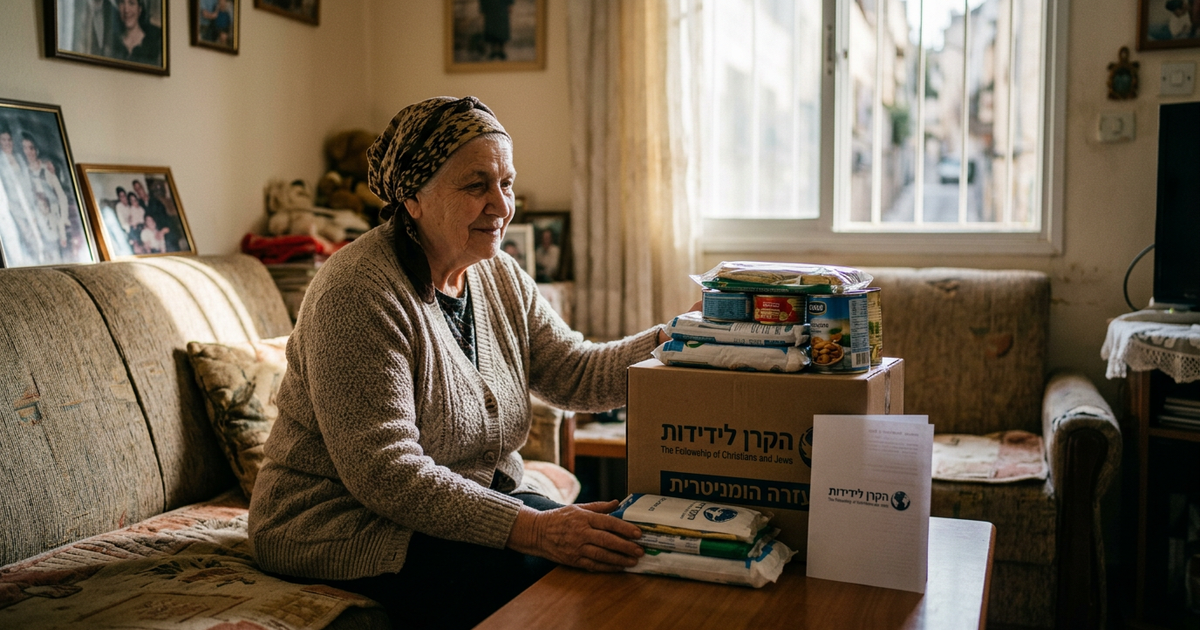
The breakthrough product was direct-mail fundraising into evangelical households. Eckstein partnered with Pat Robertson's Christian Broadcasting Network, then with hundreds of churches and Christian radio outlets. The proposition was simple: send money, and we will deliver it to Holocaust survivors, to elderly Jews in the former Soviet Union, to new immigrants arriving in Israel.
It worked. Then it scaled.
By the 2010s IFCJ was raising over $100 million annually. By the late 2010s, $130 million. The bulk came from millions of small individual gifts averaging in the tens of dollars, not from major donors. That structural fact matters: IFCJ does not depend on a handful of wealthy patrons. It runs on a wide base of working-class and middle-class American evangelical donors writing modest checks repeatedly over years.
Rabbi Eckstein died in February 2019 at the age of sixty-seven.
The Succession
Yael Eckstein had been with IFCJ in various capacities since her early twenties. Senior Vice President. Global Executive Vice President. President. The titles were ladder rungs in what was, in retrospect, a clear succession track. Her father had visibly groomed her.
When he died, she became President and CEO. She was thirty-five years old.
The skepticism was real and predictable. Daughter-of-founder transitions in nonprofits frequently fail. The donor base was emotionally attached to the founder. The Christian partner ecosystem was personally attached to the founder. The Israeli recipient organizations were institutionally attached to the founder.
Six years in, the operation has not contracted. It has grown. Revenue has continued upward. The Christian partner network has held. Recipient relationships in Israel have deepened. Yael Eckstein has become a public figure in her own right — Israeli media presence, US evangelical media presence, a regular speaker on Christian Zionist platforms her father pioneered.
What she did differently was visible. More public-facing. More Israeli — she lives in Israel with her family. More media. More direct engagement with Christian audiences as a Jewish woman in front of the camera rather than a Jewish man behind the desk.
The handoff was not just successful. It changed the character of the institution without changing the engine.
The Machine
IFCJ's most recent publicly available Form 990 puts annual revenue north of $200 million. Operating expenses move in line with revenue. The organization employs several hundred people across Chicago and Jerusalem.
The revenue mix is the strategic asset.
Roughly 90% of contributions come from Christian donors. The average gift is small. The donor file is large — in the millions of individuals. Retention is strong. The acquisition channel mix is direct mail, broadcast television, digital advertising, and partner church distribution. The unit economics of evangelical Christian direct-response giving to Israel are among the best in American nonprofit fundraising.
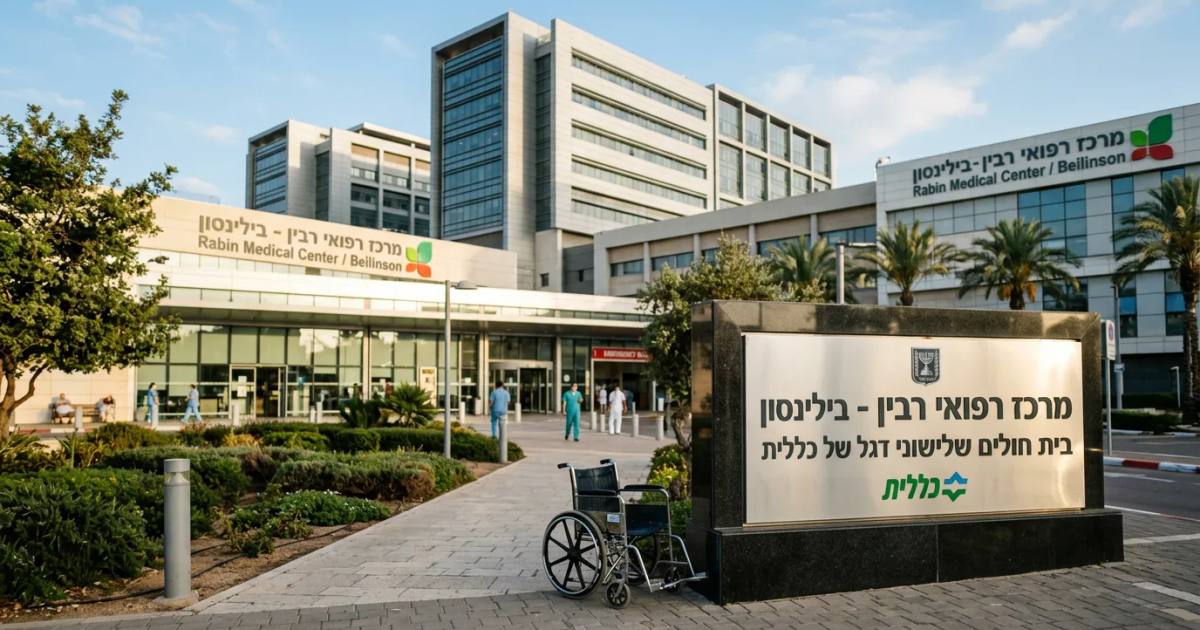
The Jerusalem operation handles program delivery. Operation Promised Land charters flights for Aliyah, working in formal partnership with the Jewish Agency. The food program runs through Israeli food banks. The Holocaust survivor support program operates through case workers and direct payments. The post-October 7 emergency programs put cash, equipment, and aid into the field within weeks of the attack.
Yael Eckstein has expanded program scope without diluting the core. Ukraine response after February 2022. Emergency response after October 7, 2023. Expansion of food security operations as Israeli food insecurity has worsened. The aperture has widened. The brand has not drifted.
The Surge
October 7 changed the fundraising chart.
In the days and weeks after the Hamas attack, IFCJ recorded the largest emergency response in its history. The organization disclosed record single-day giving days. Christian donor activation was immediate and at scale. The same pattern played out across the broader Christian Zionist ecosystem, but IFCJ's pipe was wider than anyone else's and the surge ran through it disproportionately.
The operational response moved fast. Emergency aid into southern Israel within days. Equipment for displaced families. Support for reservist families. Continued food security operations as supply chains disrupted. Aliyah charter flights continued operating even as commercial routes were suspended or rerouted.
The surge was not a one-quarter event. Elevated giving has continued through the war and into the post-war period. The 2024 and 2025 reporting cycles will show the full picture when those 990s publish.
The Governance Question
For an organization this large, IFCJ is unusually founder-shaped. The board exists. Governance is disclosed. Audited financials are public. By the technical metrics of nonprofit transparency, the org is in good standing — high marks from Charity Navigator, full 990 disclosures, public annual reports.
But the institution remains personally identified with the Eckstein family in a way that is structurally important and rarely discussed publicly. The Christian donor base gives because of the relationship with the Eckstein brand. The Israeli recipient organizations work with IFCJ because of the relationship with the Eckstein family. The transition from Rabbi Eckstein to Yael Eckstein worked partly because she carried the name.
The institutional question that follows: what does the org look like after the founder-family generation?
Yael Eckstein is forty-one. She has decades of runway. But the structural dependency on the family-brand asset is not a permanent state of affairs, and institutional planning around the eventual transition to non-family leadership is not publicly visible. For an organization moving $200 million annually with several hundred employees and operational dependencies for major Israeli institutions, the long-run governance design is a serious question.
This is not a critique of current leadership. It is a structural observation. Founder-shaped nonprofits at this scale generally have two phases: the founder phase, and what comes after. IFCJ is still in phase one.
The Ten-Year Question
The donor base built by Rabbi Eckstein and sustained by Yael Eckstein is older than the general American population. White evangelical Christians over fifty are the most reliable IFCJ donors. The under-thirty evangelical cohort gives less, gives later, and — as the polling makes clear — is materially less attached to Israel than the cohort it would have to replace.
IFCJ knows this. The organization has invested in younger Christian audience development. Partnerships with younger evangelical media. Digital acquisition strategies aimed at audiences who do not respond to direct mail. Programmatic content targeted at next-generation Christian leaders.
Whether any of it generates a donor cohort at the scale required to replace the aging base is the open question of the next ten years. There is no public projection that says yes with confidence. There is no public projection that says no with confidence either. The data does not yet exist.
What is knowable: if the replacement does not happen at sufficient scale, the line that currently sits above $200 million annually will move. The institutions in Israel that depend on it will feel the change. Aliyah operations, food banks, Holocaust survivor support, emergency response capacity — all are partly underwritten by the IFCJ pipeline.
What This Means
For Olam readers thinking about the Jewish economy structurally, three observations matter.
First, IFCJ is the single most important institution in the Christian-to-Jewish funding architecture. No close second. Any map of the Israel funding economy that does not put IFCJ in the top tier of philanthropic vehicles — alongside the federations and the major Israeli appeals — is incomplete.
Second, the operational dependencies are real. Israeli food security, immigrant absorption, and emergency response capacity carry meaningful IFCJ inputs. The dependencies are documented in the recipient organizations' own annual reports. They are not theoretical.
Third, the institution is at peak influence and faces a generational design question simultaneously. Yael Eckstein has handled the founder transition. The harder transition — from family brand to institutional brand — has not yet been tested at scale.
IFCJ is, in the most direct sense, the institutional bridge between two communities whose theological and political interests have aligned for two generations. The bridge has carried more weight than most observers in either community publicly acknowledge. The next decade decides whether it carries the same weight forward.
The Money Map showed the system. This profile shows the keystone.
Sources: IRS Form 990 filings of the International Fellowship of Christians and Jews via ProPublica Nonprofit Explorer and GuideStar; IFCJ annual reports and audited financials; Charity Navigator ratings and disclosures; public statements and biographical material from IFCJ corporate communications; Jewish Agency for Israel annual reports disclosing IFCJ partnership; Pew Research, Barna Group, and Lifeway Research data on US evangelical attitudes toward Israel; Israeli press coverage of post-October 7 emergency response operations.