
Founded by Polish-Jewish immigrants in 1942, acquired by Nestlé in stages from 1995 to 2016. Bamba, Bissli, and the peanut-allergy research arc that reshaped global pediatric guidance.
Osem is Israel's largest food manufacturer, founded in 1942 and fully owned by Nestlé since 2016. The company makes Bamba, Bissli, and Osem-brand pasta and soups, and controls roughly a quarter of Israel's snack market. Nestlé first invested in 1995, built a majority stake by 1997, and paid $840 million in 2016 to buy out the remaining public shareholders.
Who Founded Osem and When?
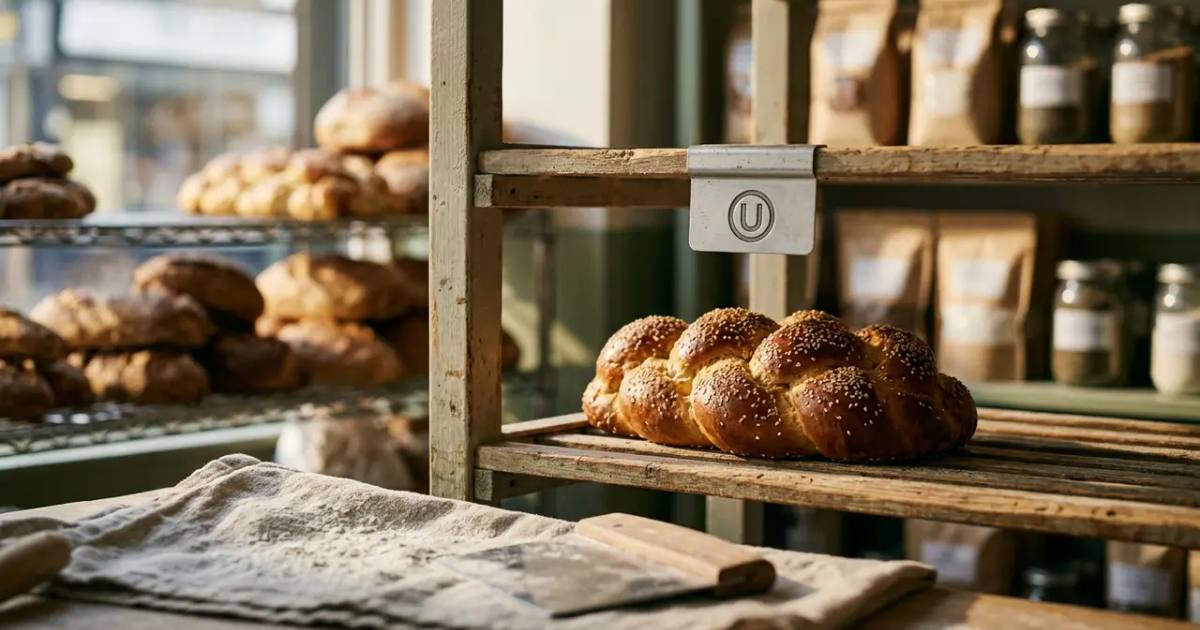
Osem was founded in 1942 in Bnei Brak by a group of Polish-Jewish immigrants, including Franz Klein, Yaakov Lorsch, and several partners, starting with pasta production during the British Mandate period. The name comes from a phrase in the Yom Kippur prayer service, symbolizing strength and growth. The company expanded through the 1950s with Israeli couscous (ptitim), created in 1953 at the request of Prime Minister David Ben-Gurion during a wartime food-shortage period, and diversified into soup mixes in the 1960s.
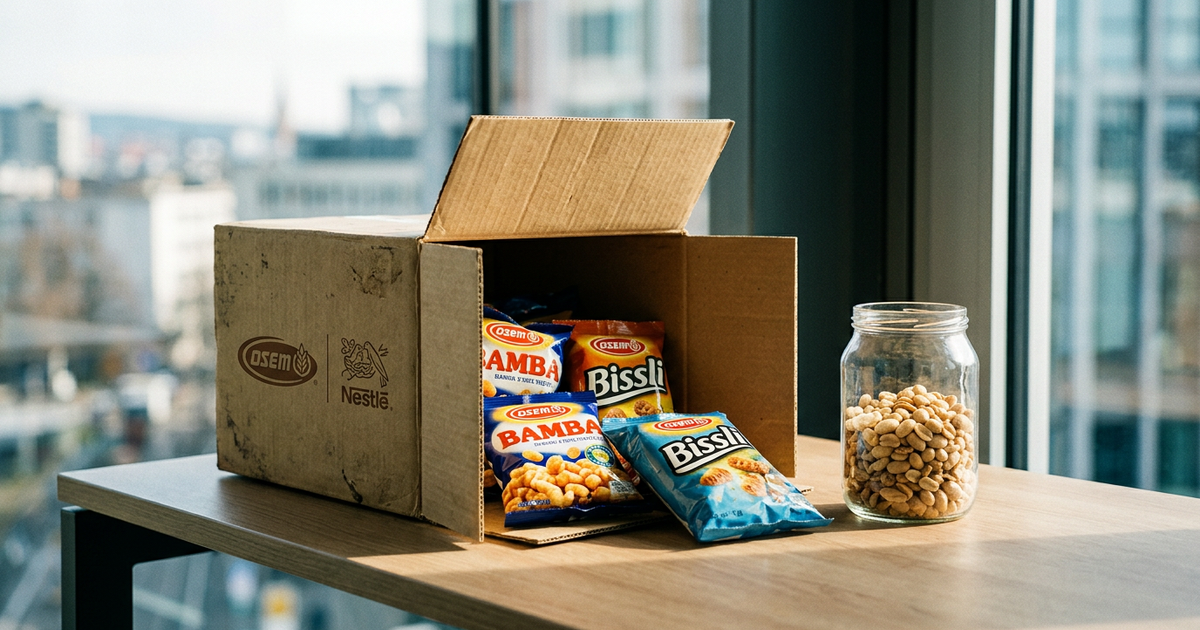
Osem launched Bamba in 1964 as a cheese-flavored corn puff, reformulating it with peanut butter in 1966 to suit local tastes. The reformulated version became Israel's top-selling snack within years, capturing roughly a quarter of the domestic snack market. Bissli, a wheat-based snack, followed in 1975. Osem went public on the Tel Aviv Stock Exchange in 1992, raising NIS 44 million.
How Did Nestlé Take Over Osem?
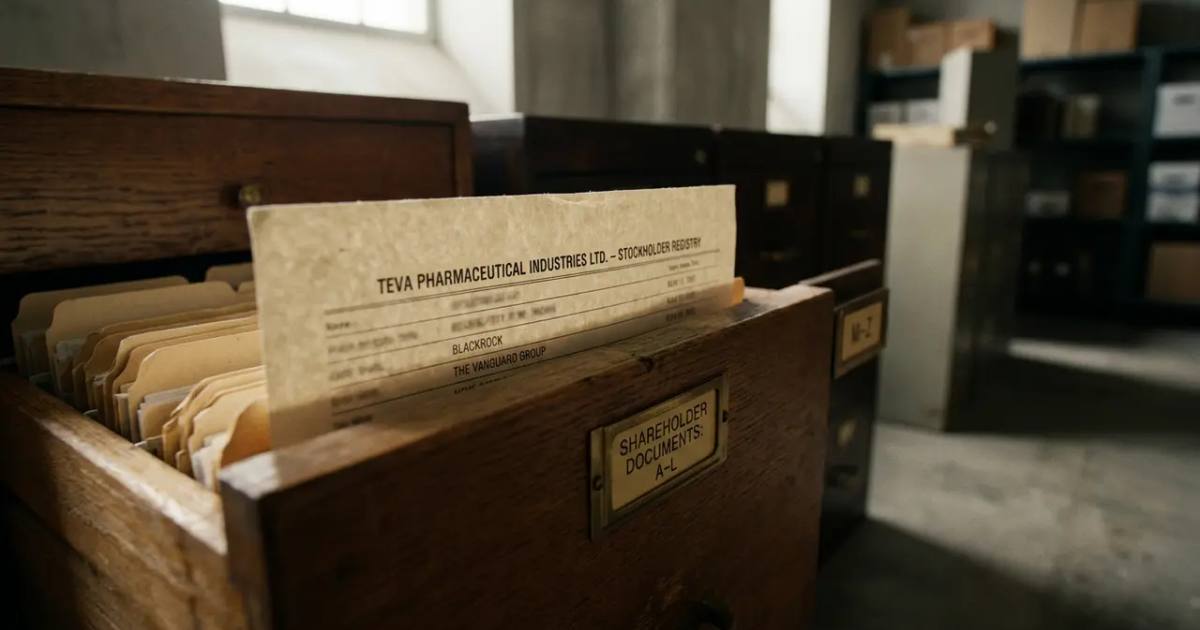
Nestlé began its relationship with Osem in 1995, initially distributing Nestlé products such as coffee, chocolate, and breakfast cereals through Osem's Israeli distribution network. Nestlé steadily acquired shares through the following years, reaching a majority stake by 1997. The company held roughly 63.7% of Osem for nearly two decades while Osem remained separately listed on the Tel Aviv Stock Exchange.
In February 2016, Nestlé agreed to buy out the remaining 36.3% of Osem it did not already own for approximately $840 million (NIS 3.1 billion), completing a full acquisition and delisting Osem from the exchange. Osem Investments Ltd. has been 100% owned by Nestlé S.A. since the deal closed later that year, converting Israel's largest publicly traded food company into a wholly owned foreign subsidiary. Osem's path mirrors a broader pattern among Israeli food and consumer brands — see Tnuva's sale to China's Bright Food and SodaStream's $3.2 billion PepsiCo exit for two other cases of Israeli-founded consumer companies that ended up under foreign ownership.
What Does Osem Make Today?
Osem today produces and distributes a broad portfolio of branded food products in Israel, spanning snacks (Bamba, Bissli), pasta, instant soups and consommé, coffee, canned goods, and Nestlé-branded items including Nesquik and Fiber 1 cereals that Osem manufactures and distributes locally. The company operates production facilities across Israel, including its main factory in Petah Tikva and a research and development center in Sderot. Osem USA exports Bamba to major supermarkets across the United States, where it has become a widely available snack outside the kosher-foods niche it originally occupied.
How Did Bamba Change Global Peanut Allergy Guidelines?
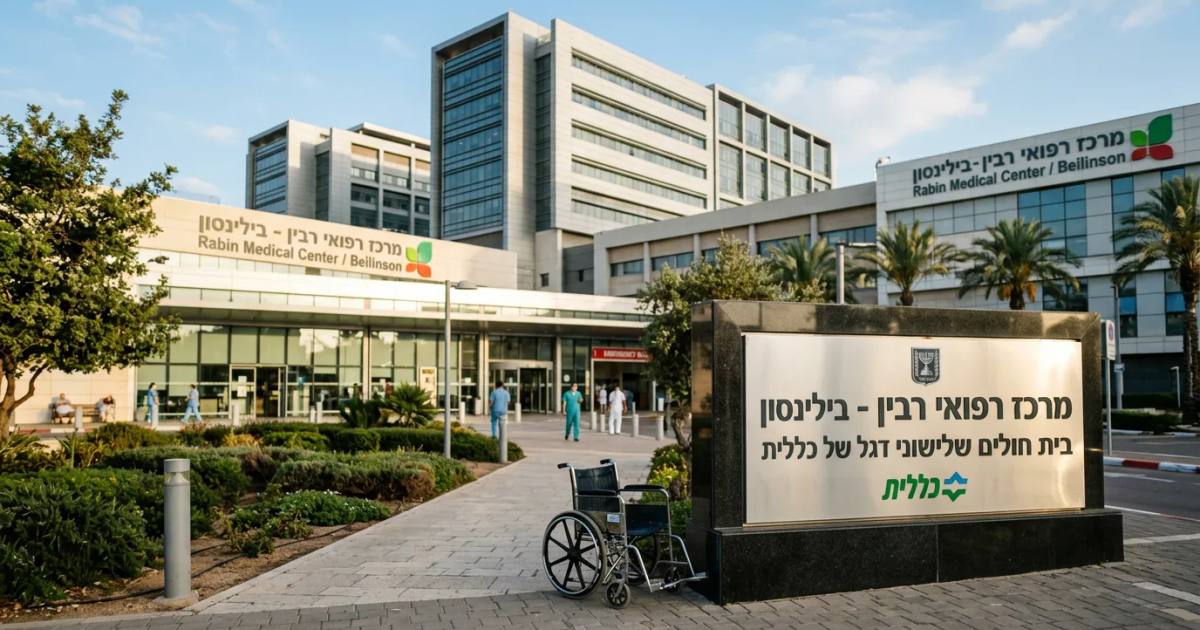
Bamba played a central role in reshaping international pediatric guidance on infant peanut exposure. Researchers observed that Israeli children, who are commonly fed Bamba as an early snack, had dramatically lower rates of peanut allergy than Jewish children of similar ancestry raised in the United Kingdom, where parents were advised to avoid giving peanut products to infants. The finding led to the Learning Early About Peanut Allergy (LEAP) study, a clinical trial that found early, regular exposure to peanut products significantly reduced the likelihood of developing a peanut allergy in high-risk infants.
The LEAP study's results prompted the U.S. National Institute of Allergy and Infectious Diseases and the American Academy of Pediatrics to reverse decades of allergy-avoidance guidance, recommending in 2015 and 2017 that most infants be introduced to peanut-containing foods early rather than delayed. Bamba's specific role as the snack most associated with the original observational finding gave the product an unusual second identity in medical literature, well beyond its commercial footprint as an Israeli grocery staple.
Snapshot
| Founded | 1942, Bnei Brak |
|---|---|
| Ownership | 100% Nestlé S.A. (since 2016) |
| First Nestlé stake | 1995; majority by 1997 |
| Full buyout price | ~$840 million / NIS 3.1 billion (2016) |
| Key brands | Bamba, Bissli, Telma, Osem pasta and soups |
| Headquarters | Shoham, Israel |
| Notable research link | Bamba consumption linked to the LEAP study, which reshaped global infant peanut-allergy guidance |
Frequently Asked Questions
Who owns Osem?
Nestlé S.A. has owned 100% of Osem Investments Ltd. since 2016, when it bought out the remaining public shareholders for approximately $840 million.
When was Osem founded?
Osem was founded in 1942 in Bnei Brak by a group of Polish-Jewish immigrants, starting with pasta production.
Is Bamba an Israeli or Swiss product?
Bamba was created and is still manufactured in Israel, but the company that makes it, Osem, has been fully owned by the Swiss conglomerate Nestlé since 2016.
Why is Bamba linked to peanut allergy research?
Israeli infants who regularly ate Bamba showed much lower peanut allergy rates than similar populations abroad, a finding that led to the LEAP clinical trial and a reversal of US and UK pediatric guidance on early peanut exposure.
Olam Coverage
See the full Israeli Consumer Brands map for how Osem compares to Tnuva, SodaStream, and other Israeli-founded food and consumer companies now under foreign or family ownership.
בעברית
אוסם היא יצרנית המזון הגדולה בישראל, שהוקמה ב-1942 בבני ברק על ידי מהגרים יהודים מפולין. נסטלה השווייצרית החלה להשקיע בחברה ב-1995, הגיעה לבעלות רוב עד 1997, ורכשה ב-2016 את יתרת המניות הציבוריות תמורת כ-840 מיליון דולר, והפכה לבעלים המלא של החברה. בין המותגים המובילים של אוסם: במבה, ביסלי וטלמה. צריכת במבה בקרב תינוקות ישראלים נקשרה למחקר ה-LEAP, אשר שינה את ההנחיות הרפואיות העולמיות בנוגע לחשיפה מוקדמת לבוטנים אצל פעוטות.
The Olam Editorial Team